You probably already know that whole grains are an important part of your diet. But if you’re wondering about the healthiest whole grains and why it’s important to incorporate them into your meals, we tapped dietitians for the answers.
“Whole grains are a key component of a nutritious diet," says registered dietitian Stefani Sassos, director of the Good Housekeeping Institute Nutrition Lab. "Abundant in fiber, whole grains have a range of health benefits, from supporting digestion to promoting better glycemic control. Keep it simple by swapping some of the refined carbohydrates in your diet for 100% whole-grain versions.”
Whole grains haven’t been stripped of the bran, endosperm, and germ, which means they’re richer in vitamins, minerals, and fiber than refined grains. Research has found that whole grain intake is associated with a reduced risk of cardiovascular diseases, diabetes, and respiratory diseases, as well as certain types of cancer.
Below, experts identify the healthiest whole grains to add to your plate. Luckily, many of them are staples you probably already have in your pantry, like oats and quinoa. If you’re looking for more tips on healthy eating, read up on the high-protein foods that are also high in fiber (hint: a few of them are also on this list of the healthiest whole grains).
Whole Oats

Oats are a great source of both soluble and insoluble fiber. The soluble fiber found in oats is known as beta-glucan, and it's considered a prebiotic that can boost good gut bacteria and help to lower LDL (bad) cholesterol, reducing the risk of cardiovascular disease. It has even been shown in recent studies to be effective at lowering blood pressure, although more research is needed. Oats are also particularly rich in avenanthramide, a polyphenol antioxidant that may protect the heart.
As for what type to add to your shopping cart, oat groats, steel-cut oats and rolled oats will provide more fiber over instant oats although they make take longer to cook. If you prefer flavored oatmeal, opt for ones with lower counts of added sugar. Even better: Stick to the unsweetened kind and sprinkle it with cinnamon and mix in fruit and nuts for sweetness and crunch.
Nutrition facts (1/2 cup cooked, regular and quick): 83 calories, 14 grams carbohydrates, 2 grams fiber, 3 grams protein.
Freekeh


This Arabic grain is a low-carb form of ancient wheat that contains protein and has more than four times the amount of fiber than brown rice, according to the U.S. Department of Agriculture. Freekeh kernels are harvested while they’re young and then roasted. They may contain more vitamins and minerals, such as immune-boosting selenium, than other grains. Freekeh may also contain resistant starch which is a prebiotic that can help to stimulate the growth of healthy bacteria to aid in digestion. Look for it in Middle Eastern markets, natural food stores and on Amazon.
Nutrition facts (1/2 cup uncooked): 282 calories, 48 grams carbohydrates, 9 grams fiber, 10 gram protein.
Whole-Grain Barley

Similar to oats, barley is also a good source of soluble fiber and contains the prebiotic beta-glucan. Studies show that beta-glucan works to lower LDL (bad) cholesterol and blood glucose levels. Additional studies have indicated that antioxidants and phytochemicals found in barley can work to lower the risk of certain diseases. Try adding raisins or dried apricots to quick-cooking barley and serve it as a side dish. Just make sure it’s whole-grain barley, not "pearled," which means the bran and germ have been removed.
Nutrition facts (1/4 cup hulled, uncooked): 162 calories, 33 grams carbohydrates, 8 grams fiber, 6 grams protein.
Buckwheat
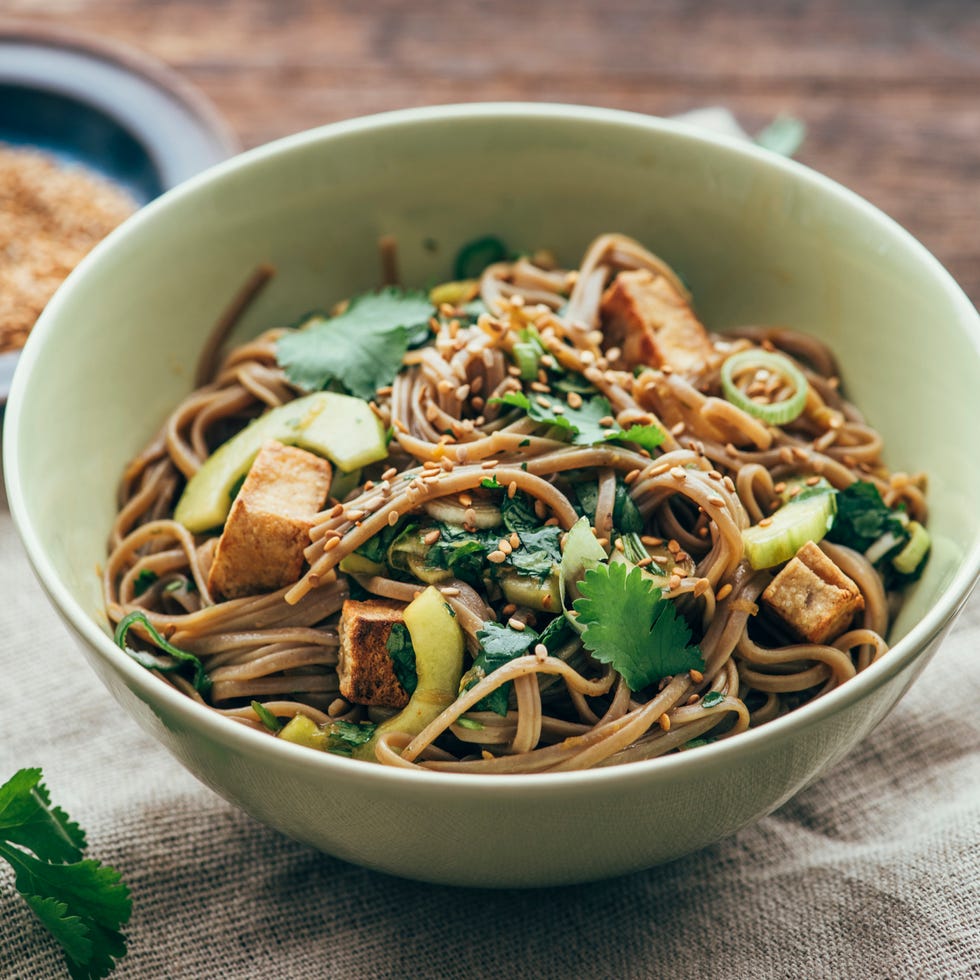
Many people living with celiac disease can tolerate this whole grain, because even though it has the word "wheat" in it's name, it is naturally gluten-free (as are quinoa and amaranth). And buckwheat is one of the best grain-based sources of magnesium, a wonder mineral that does everything from ease PMS symptoms to improve nerve functioning; and manganese, which boosts brain power. And that makes for a great excuse to enjoy a good buckwheat pancake!
Nutrition facts (1/2 cup roasted groats, uncooked): 283 calories, 61 grams carbohydrates, 8.5 grams fiber, 9.5 grams protein.
Bulgur

For all practical purposes, bulgur is considered a whole grain even though up to 5% of its bran may be removed during processing. It’s so good for you, though, we’re putting it on the list. The grain, which is used to make tabbouleh salad, is a great source of iron and magnesium. The fiber and protein powerhouse (a cup contains nearly 75% of the dietary fiber and 25% of the protein you need for the day) can be used in salads or tossed in soups. Plus it cooks in only a few minutes.
Nutrition facts (1/2 cup uncooked): 239 calories, 61 grams carbohydrates, 8.5 grams fiber, 9 grams protein.
Quinoa

Though it’s technically a seed and not a grain, this ancient South American power food is packed with more protein than any other grain! In fact, it is one of the few plant sources of complete protein, containing all nine essential amino acids. Each uncooked cup of the stuff (about three servings) has 522 milligrams of omega-3 fatty acids. Your family will likely enjoy its light, nutty flavor for a change of pace at the dinner table. And it keeps well, so it makes an easy make-ahead lunch to pack for work or school.
Nutrition facts (1/2 cup cooked): 111 calories, 20 grams carbohydrates, 2.5 grams fiber, 4 grams protein.
Wild Rice

Wild rice is technically not rice although it looks and cooks like one. It is actually the seed of a type of aquatic grass. In fact, only a few years ago, did the US Food and Drug Administration identify it as a whole grain. It is rich in vitamins, minerals and protein and contains fiber. It is also a rich source of antioxidants, containing 9 to 13 times more than white rice.
It does take longer to cook than some other grains, but it can be mixed with other types of rice or used as a replacement for white or brown rice. Try serving it with veggies, chicken or fish for a well-balanced heart-healthy meal.
Nutrition facts (1/2 cup cooked): 83 calories, 17.5 grams carbohydrates, 1.5 grams fiber, 3 grams protein.
Millet

Millet is small and round and, even though it belongs to the grass family, it is still considered an ancient grain. It is gluten-free and a rich source of calcium, containing a whopping three times more calcium than milk! It has been shown in studies to boost calcium levels and bone mineral density in premenopausal women. Like many other whole grains on our list, millet is a good source of fiber and may also work to lower LDL (bad) cholesterol and boost digestive health. It is often used to make porridge, bread, stir-fries or tossed in salads, much like quinoa.
Nutrition facts (1/2 cup cooked): 103 calories, 20 grams carbohydrates, 3 grams fiber, 3 grams protein.
Amaranth

This grain is a winner when it comes to protein: According to the Whole Grains Council, it has all nine essential amino acids making it a complete protein. It has plenty of magnesium and phosphorous, it may also be anti-inflammatory and it's safe to eat for those with celiac disease. Amaranth can be added to soup, cooked into a porridge or popped like popcorn!
Nutrition facts (1/2 cup uncooked): 358 calories, 63 grams carbohydrates, 6.5 grams fiber, 13 grams protein.
Farro

An ancient wheat grain with a nutty taste, farro is full of fiber and is a healthy source of iron and magnesium. A quarter-cup of the grain packs in 6 grams of protein. Try tossing some cooked farro into a salad or using it as a base for a seafood or meat dish. Though it's low in gluten, it's not completely gluten-free so it's not a good choice for those with celiac disease.
Nutrition facts (1/3 cup pearled, cooked): 150 calories, 29 grams carbohydrates, 3 grams fiber, 5 grams protein.
Teff

Technically a seed but considered part of the grain family, teff is loaded with calcium and high in resistant starch, a type of fiber that's great for maintaining steady blood sugar levels. It's also gluten-free and is found in many gluten-free products. Try baking breads, muffins or cakes with teff flour for its sweet and nutty taste.
Nutrition facts (1/2 cup uncooked): 380 calories, 84 grams carbohydrates, 6 grams fiber, 12 grams protein.
The bottom line
Whole grains are healthy and nutritious and can provide a great source of vitamins, minerals, antioxidants, fiber and carbohydrates, your body's preferred energy source. Just make sure that you are choosing grains in their most natural state that have not been overly processed and stripped of all the nutrients they can offer. If you still have doubts, remember that research consistently shows that diets high in fiber can provide endless health benefits including improving insulin sensitivity, improving gut bacteria, and reducing your risk of heart disease. If you are looking for more health and wellness tips, check out our healthy habits plan.