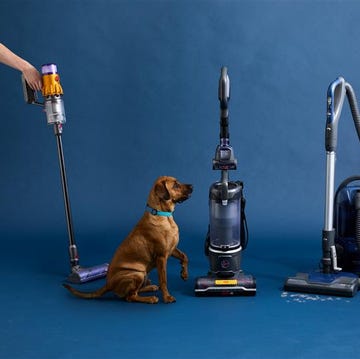
In most homes, the couch is the command center for movie nights, afternoon naps, and everyday lounging, which also means it quietly collects crumbs, pet hair, body oils, and the occasional mystery stain. The good news: You don’t need to panic (or immediately call a pro) when someone spills or your sofa starts looking a little tired.
With the right tools and a fabric-appropriate approach, most couches can be safely cleaned at home. For routine care, vacuum your sofa with a handheld vacuum at least once a month (more often if you eat on it or have pets), says Carolyn Forté, executive director of the Good Housekeeping Institute Home Care & Cleaning Lab. Then, plan for a deeper clean with a portable upholstery cleaner once or twice a year, depending on use.
Ahead is exactly how to clean a couch the right way, including how to decode care labels, treat stains and tackle fabric, microfiber, and leather upholstery without causing damage, per our experts at the Cleaning Lab.
First, check your couch care label
Before you grab any cleaner, locate the upholstery tag (usually under the cushions). These codes tell you what cleaning methods are safe for your sofa:
- W: Water-based cleaners (think upholstery shampoo or a mild dish soap solution)
- W/S: Water- or solvent-based cleaners (either upholstery cleaner or dry-cleaning solvent)
- S: Solvent-based cleaners only (water-free dry-cleaning solvent formulas)
- X: Vacuum or brush only; no liquid cleaners
Once you know your sofa’s code, follow the appropriate method below for fabric, microfiber, or leather.

How to deep clean fabric and microfiber couches
- Vacuum the upholstery. Use your vacuum’s upholstery attachment to go over the entire sofa—back, arms, skirt, and cushions. If cushions are removable, take them off and vacuum underneath. Use the crevice tool along seams, buttons, and trim.
- Steam the couch. Use a handheld garment steamer or bursts from your steam iron to kill surface dust mites. Go over the entire sofa, allowing just the steam to touch and penetrate the fabric. (If you don’t have a steamer or iron, you can skip this step). After steaming, vacuum the sofa one more time to get rid of any lingering dirt before moving on to the next step.
- Spot clean stains. For water-safe fabrics, you can use an enzyme cleaner like Bissell Professional Pet Stain & Odor Remover or a mild DIY solution (¼ teaspoon dish soap mixed with 1 cup warm water). For S-coded fabrics, use a solvent-based product such as ForceField Dry Cleaning Fluid for Fine Fabrics. Test the solution on a hidden spot first to ensure it won’t affect color or texture. If your cushion covers are removable, slip a paper towel between the cover and filling to absorb extra moisture. Dampen a cloth with the cleaner (never apply directly to the fabric) and gently blot the stain from the outside in, then blot dry with a clean, damp cloth.
- Refresh dingy areas. For heavily soiled water-safe spots like arms or headrests, a portable carpet cleaner such as the Bissell Little Green Machine can help lift dirt. Dispense the cleaning solution, gently agitate with the brush, and vacuum up the dirty water. For solvent-only fabrics, professional cleaning is usually the safest option.
- Sanitize the couch. Once your sofa is clean and dry, kill lingering bacteria and eliminate odors on water-safe upholstery with a fabric sanitizing spray like, GH Seal star Tide Antibacterial Fabric Spray.
How to clean a finished leather couch
Cleaning a leather couch may seem intimidating, but routine care is usually straightforward, especially if there aren’t stubborn stains.

- Wipe and vacuum. Start by removing crumbs and surface dust with a dry microfiber cloth. Then, use the crevice tool on your vacuum to gently clean seams, around buttons, and along the trim.
- Clean the leather. Working in small sections, apply a leather cleaner such as GH Seal star Weiman Leather Cleaner and Conditioner with a soft, slightly damp cloth. If you don't have a dedicated leather cleaner, you can use a diluted, mild soap solution. Make sure to test the solution on a hidden spot first. Wipe away any residue with a clean, damp cloth and gently buff dry. Repeat lightly on arms and headrests as necessary.
- Condition and protect. Apply a leather protectant like GH Seal star Furniture Clinic Leather Protection Cream to help maintain suppleness and make future cleaning easier.
How to deodorize a couch

Even with regular cleaning, couches can pick up everyday odors from pets, food, and general use. Between deep cleans, these simple methods can help freshen upholstery without overwetting the fabric.
- Baking soda: Sprinkle some baking soda over cushions, let it sit for 15 to 30 minutes, then vacuum thoroughly.
- Fabric spray: Lightly mist with a product like GH Seal Star Febreze FABRIC to help neutralize lingering odors.

What’s the easiest way to remove crumbs or pet hair from a couch?
For small amounts of debris, a lint roller is a quick way to pick up stray hairs and crumbs from fabric upholstery. For larger messes, a handheld vacuum can clean the surface and seams more efficiently without pulling out a full-size machine.
How do you keep couch stains from setting?
Blot spills as soon as possible using a clean, absorbent cloth. Don’t rub, which can push the stain deeper into the fabric. After blotting, treat the area with an upholstery-safe cleaner based on your couch’s cleaning code. Quick action is the most effective way to prevent stains from setting and becoming harder to remove.
When should you call a professional couch cleaner?
Professional cleaning is usually the safest choice for S-coded fabrics, unfinished leather, and upholstery that’s heavily soiled or hasn’t responded to gentle at-home cleaning. Unfinished leather is more delicate than finished leather and can stain easily, so noticeable marks are often best handled by a pro.
Top cleaning supplies for your couch


Brigitt is a writer, editor and craft stylist with nearly 15 years of experience. She specializes in lifestyle topics, including home, health, parenting, beauty, style, food, entertaining, travel and weddings. She has written for Glamour, People, Good Housekeeping, Women's Health, Real Simple, Martha Stewart, Apartment Therapy, The Spruce, and more.
Jamie Ueda (she/her) is a contributing writer and analyst in the Good Housekeeping Institute Kitchen & Cooking Lab, where she has tested coffee and espresso machines, baking gadgets, dinnerware, ice cream makers, and other kitchen products since 2021. She has completed Specialty Coffee Association (SCA) coursework to further her expertise in coffee evaluation and brewing science.
With a background in engineering and design, she spent more than a decade developing consumer products in senior roles at both mid-sized companies and global brands before bringing that expertise to product testing and reviews. Her work has appeared in Forbes, CNN, The Wall Street Journal, and USA Today.