Your Guide to Finding the Best Turmeric Supplement for Inflammation
Plus, what to know about the potential benefits, risks, and whether a turmeric supplement is right for you.
 Medically reviewed by Valerie Agyeman, R.D.Contributing Writer

We've been independently researching and testing products for over 120 years. If you buy through our links, we may earn a commission. Learn more about our review process.
Turmeric may have started as a kitchen staple, but it has become a supplement superstar—and there’s more to know before you add a capsule to your routine. This bright yellow root has been used for thousands of years in Indian and Asian cuisines and traditional medicine. Related to ginger, turmeric contains curcumin, a polyphenol that gives it its vibrant color and has been studied for its potential anti-inflammatory effects.
So, it’s no wonder turmeric has made its way into the supplement aisle. Some research suggests it may help with osteoarthritis-related measures, including knee pain and stiffness, as well as joint mobility and function. But turmeric isn’t a miracle pill, and supplements deserve careful consideration.
Our top picks:
- Best Overall: Thorne Curcumin Phytosome
- Best Value: Nature Made Turmeric Curcumin
- Best with Black Pepper: Gaia Herbs Turmeric Supreme Extra Strength
- Best Gummies: Nordic Naturals Zero Sugar Curcumin Gummies
Unlike medications, dietary supplements aren’t approved by the U.S. Food and Drug Administration (FDA) for safety and effectiveness before hitting store shelves. And with turmeric, it’s especially important to involve your health care provider, particularly if you’re considering a highly bioavailable curcumin supplement since some formulations have been associated with reports of liver injury.
But if you’ve got the green light from your doctor, our registered dietitians in the Good Housekeeping Institute Nutrition Lab analyzed a variety of turmeric supplements to help you find the best options.
Our registered dietitians in the Good Housekeeping Institute Nutrition Lab review and evaluate every single supplement we recommend in accordance with our dietary supplement methodology. We then have a registered dietitian on our Medical Review Board review each article for scientific accuracy. A supplement should do just that: supplement the diet, not replace high-quality, nutritious food and important healthy lifestyle practices. Check with your health care provider before starting any dietary supplement regimen.
Pros
- NSF Contents Certified
- Highly absorbable form
- May help support joint comfort and relieve muscle soreness

Cons
- Two-capsule serving

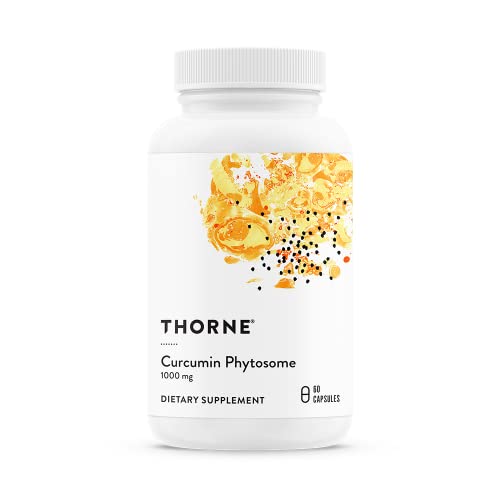
A two-capsule serving of this turmeric supplement from Thorne provides 1 gram of curcumin phytosome, a well-studied form of curcumin that’s designed to be easier for your body to absorb. Research suggests this formulation may help support joint comfort, muscle soreness, and a healthy inflammatory response. The brand recommends taking it after strenuous exercise to help reduce delayed-onset muscle soreness (DOMS).
Instead of using black pepper to help with absorption, this formula pairs curcumin with phospholipids, which help your body absorb the curcumin more effectively. Our dietitians also appreciate Thorne’s rigorous quality-control standards. The supplement is NSF Contents Certified, meaning it has been independently tested for purity, potency, and safety. Overall, its well-studied formula, strong quality standards, and versatility make it our best overall pick.
| Serving size | Two capsules |
| Price per serving | $1.20 |


Pros
- USP Verified
- Budget-friendly
- Available in two strengths
Cons
- Not formulated for maximum absorption
If you're on a budget, this wallet-friendly pick from Nature Made offers a blend of turmeric root powder and turmeric root extract in an easy-to-swallow capsule. Turmeric contains compounds with antioxidant properties, and this supplement is free of artificial flavors, preservatives, and colors. It's also third-party tested by USP for quality, purity, safety, and potency.
Nature Made offers this easy-to-swallow capsule in a 500-milligram dose. But unlike many turmeric supplements, this one does not contain black pepper or anything to help boost its absorption. That being said, the brand does offer an extra-strength version with black pepper extract.
| Serving size | One capsule |
| Price per serving | $0.23 |

Pros
- Thoroughly tested for purity and potency
- Robust traceability program
- Thoughtfully formulated blend
Cons
- Digestive discomfort is possible with high doses of turmeric/curcumin
Designed to support healthy mobility, this formulation from Gaia Herbs combines organic turmeric root extract and curcuminoids with 7 milligrams of black pepper extract to enhance absorption. A one-capsule serving can be taken once or twice daily with meals, and the capsule is smaller than some others on our list.
Gaia Herbs also stands out for its robust traceability program, Know Your Herbs, which lets you enter the product ID on the packaging to learn how the herbs were grown, extracted, harvested, and tested. The brand also makes test results for purity and potency available online, a level of transparency our nutrition experts appreciate. While turmeric is generally well tolerated, higher doses of turmeric or curcumin may cause digestive discomfort for some people, so it’s extra important to check with your health care provider before taking it.
| Serving size | One capsule, once or twice daily |
| Price per serving | $0.49 |

Pros
- USP Verified
- Clinically studied curcumin turmeric complex
- Contains black pepper extract for enhanced absorption
Cons
- Digestive discomfort is possible with high doses of turmeric/curcumin
If you’ve cleared an extra-strength turmeric supplement with your doctor, Youtheory is a solid choice. It contains 1,000 milligrams of a clinically studied curcumin turmeric complex with 95% total curcuminoids. For comparison, raw turmeric contains only a few percent curcuminoids. The formula also includes BioPerine, a black pepper extract designed to enhance absorption.
This high-potency formula is USP Verified and third-party tested for purity, potency, and quality. However, higher doses of turmeric or curcumin may cause digestive discomfort for some people, so it’s extra important to check with your health care provider before taking it. Extra-strength formulas also shouldn’t be taken for extended periods without medical guidance, so your health care provider can help determine the appropriate duration for you.
| Serving size | Two capsules |
| Price per serving | $0.66 |

Pros
- NSF Certified for Sport
- Highly absorbable form
- May help relieve delayed onset muscle soreness
Cons
- Capsules can be difficult for some to swallow
Turmeric supplements may appeal to athletes for their potential to relieve muscle soreness. But athletes should be especially mindful of supplement quality, since they need to know that a product contains exactly what’s listed on the label and is free of prohibited substances. That’s one reason our dietitians like this pick from Momentous: It’s NSF Certified for Sport, meaning it has been rigorously tested for purity and potency and screened for hundreds of banned substances.
This formula uses the same curcumin form as our best overall pick: Indena’s Meriva curcumin phytosome, a well-studied form designed to enhance absorption without the need for black pepper. Clinical research suggests Meriva curcumin may help support the management of osteoarthritis. Momentous recommends taking two capsules daily with food and says initial benefits may appear after about 14 days, with more noticeable effects typically seen after two to four weeks of consistent use.
| Serving size | Two capsules |
| Price per serving | $1.26 |

Pros
- Contains black pepper and coconut oil to support curcumin absorption
- Third-party tested
- High concentration of standardized curcuminoids
Cons
- Large capsules can be difficult to swallow
This third-party-tested formula from Sports Research provides 500 milligrams of turmeric curcumin extract, along with organic coconut oil and BioPerine, a black pepper extract that may help your body absorb curcumin more effectively. The coconut oil also provides some fat to help with absorption.
The softgel format is another nice touch, since the brand says it uses fewer fillers than traditional tablets and capsules. However, the softgels are made with bovine gelatin, so they’re not suitable for vegans or vegetarians. They’re also on the larger side, and some reviewers say they can be difficult to swallow.
| Serving size | One softgel |
| Price per serving | $0.27 |

Pros
- Zero sugar gummies
- Free from artificial colors and flavors
- Third-party tested and COAs available on the brand's website
Cons
- Not formulated for maximum absorption
If you don't like swallowing pills, Nordic Naturals curcumin gummies offer an easy-to-take alternative. They contain 200 milligrams of Longvida curcumin, a patented form of curcumin designed to enhance bioavailability, meaning more of the compound can be absorbed into the bloodstream. That being said, it is a lower amount of turmeric per serving than others on the list, as it can be hard to pack a ton into gummy form.
Gummy supplements are often packed with added sugar, but this mango-flavored option contains zero sugar. It does contain the sugar alcohol xylitol, which may cause digestive discomfort for some people, but the gummies are vegan and free of artificial colors, flavors, and preservatives. Our experts also appreciate that Nordic Naturals is third-party tested for quality, purity, and potency. Each product also comes with a Certificate of Analysis, which provides additional transparency about its contents.
| Serving size | Two gummies |
| Price per serving | $0.99 |

Pros
- Easy to take gummies
- Convenient travel pack
- Third-party tested
Cons
- More expensive given the fact that its a vitamin complex
Grüns Immun gummies are sour pineapple-flavored and combine 13 nutrients and ingredients designed to support daily immune health. They come in convenient, travel-ready packs, making them easy to take on the go. Along with familiar ingredients like vitamins C and D3, elderberry, and zinc, the formula contains 150 milligrams of turmeric root extract standardized to 95% curcuminoids.
Unlike many gummy supplements, this formula is vegan and third-party tested for purity, potency, and safety. According to the brand, its products are regularly tested to verify vitamin and mineral levels and to screen for contaminants, including 70 pesticides, four heavy metals, 16 other contaminants, and nine microbial contaminants. But the packs are quite pricey per serving since they contain a variety of nutrients.
| Serving size | One packet |
| Price per serving | $2.39 |
How we chose the best turmeric supplements

Our registered dietitians and health experts in the Good Housekeeping Institute Nutrition Lab carefully evaluate supplements based on their nutritional expertise, label accuracy, ingredient quality, and available third-party test data.
To select the best turmeric supplements, our experts reviewed more than 25 products, evaluating dosage, serving size, price, servings per container, ingredients, supplement form, and whether each product can be taken with or without food. We included options across a range of price points and formulations to meet different needs and preferences. These picks are based on expert analysis and do not reflect in-Lab testing.
We prioritize supplements that have been independently tested for purity, potency, and safety by reputable third-party organizations, as well as products that meet our internal standards for ingredient transparency and manufacturing quality. Because dietary supplements are not evaluated by the U.S. Food and Drug Administration (FDA) for safety or effectiveness before they reach the market, it's important to research products carefully and talk with your health care provider before adding a new supplement to your routine.
What to look for in a turmeric supplement

With so many turmeric supplements available, choosing one can be confusing. A few key factors can help you narrow down your options. Here’s what our experts recommend considering before you buy.
✔️ Form and dosage: Turmeric supplements come in a variety of forms, including capsules, softgels, tablets, gummies, and liquids. Consider which format is easiest for you to take consistently, as well as the serving size. Some products require multiple capsules or doses throughout the day, while others provide a once-daily serving. According to the National Center for Complementary and Integrative Health (NCCIH), a division of the National Institutes of Health (NIH), "turmeric and conventionally formulated curcumin products are probably safe when taken orally or applied to the skin in the recommended amounts." The appropriate dose can vary depending on the product and intended use, so talk with your health care provider about what’s right for you.
✔️ Quality: Because dietary supplements aren't evaluated by the FDA for safety or effectiveness before they reach the market, third-party testing can provide an additional layer of quality assurance. Look for products tested by reputable organizations such as USP or NSF, which can help verify that a supplement contains what its label says and is free from certain contaminants. It's also worth checking the ingredient list for unnecessary additives and looking for brands that are transparent about their sourcing and testing practices.
✔️ Bioavailability: Turmeric and curcumin aren't easily absorbed by the body on their own, so some supplements use ingredients or specialized formulations designed to improve bioavailability. Black pepper extract, sometimes listed as piperine or BioPerine, is one common option. Curcumin may also be better absorbed when taken with a source of fat, so following the product's instructions about taking it with a meal may be helpful.
✔️ Price: Don't assume a more expensive turmeric supplement is necessarily better. Prices can vary considerably based on the formulation, dose, number of servings, and whether the product contains additional ingredients or specialized forms of curcumin. For a more useful comparison, look at the cost per serving or dose rather than the price of the bottle alone. Keep in mind that supplements containing multiple nutrients or specialized formulations may cost more.
What is the difference between turmeric and curcumin?

Turmeric and curcumin are often used interchangeably, but they’re not the same thing. Turmeric is the plant, while curcuminoids are a group of naturally occurring compounds found in turmeric. Understanding the difference is important when choosing a turmeric supplement, since products can contain whole turmeric, concentrated curcumin, or specialized forms designed to improve absorption.
Turmeric is a plant in the ginger family, Zingiberaceae. Its underground stem, called a rhizome, is used as a culinary spice and in foods, beverages, and supplements. Curcumin is a group of compounds naturally found in turmeric—and one of the main compounds researchers study for its potential health benefits. Research has explored curcumin for its anti-inflammatory properties and its potential role in areas such as glucose control.
One important distinction when shopping for a supplement is concentration and absorption. Turmeric contains relatively small amounts of curcuminoids, while many supplements use concentrated turmeric extracts standardized to a specific percentage of curcuminoids. However, curcumin is poorly absorbed on its own, which means that simply taking a higher dose doesn't necessarily mean your body will absorb more.
To address this, supplement manufacturers have developed specialized forms of curcumin designed to improve bioavailability, including formulations paired with ingredients such as piperine or incorporated into delivery systems that may enhance absorption. Several of these patented forms are included in our picks.
Are turmeric supplements worth taking?

Whether a turmeric supplement is right for you depends on why you’re considering one, your overall health, and any medications or supplements you take. “Most of the research examining turmeric’s role in common health challenges uses large doses of the active compound, curcumin,” says Sydney Greene, M.S., R.D.N., founder of Greene Health. While research on curcumin has explored potential benefits including support for a healthy inflammatory response, joint health, and exercise-related muscle soreness, the evidence varies by condition and formulation.
Potential benefits
- May support a healthy inflammatory response: Curcumin has anti-inflammatory properties and is one of the most extensively studied compounds in turmeric. Some research suggests it may help support inflammation-related concerns, although results vary depending on the dose and form used.
- May support joint health: Certain concentrated curcumin formulations have been studied for their potential to reduce joint discomfort and stiffness, particularly in people with osteoarthritis.
- May help with exercise-related soreness: Some studies suggest curcumin may reduce muscle soreness and support recovery after strenuous exercise, making it of interest to athletes.
- Concentrated doses are available: Turmeric supplements can provide substantially more curcuminoids than you'd typically get from using turmeric as a culinary spice. Some products also use specialized forms of curcumin designed to improve absorption.
Potential drawbacks and risks
- It's not a cure-all: Johane Filemon, M.S., R.D.N., L.D., C.L.T. cautions that “turmeric is not a cure-all and should not be seen as the key to removing inflammation in everyone.” A supplement shouldn’t replace a balanced diet, appropriate medical treatment, or other healthy lifestyle habits.
- It may cause digestive side effects: Turmeric is generally well tolerated, but higher supplemental doses may cause gastrointestinal symptoms such as reflux, nausea, stomach upset, or diarrhea. “Cooking with more turmeric than normal or adding turmeric as a condiment to meals is safe; you may just leave the meal with a bright yellow tongue,” Greene says. “In general, there are no common serious side effects. However, it may cause mild gastrointestinal distress such as reflux, nausea, or upset stomach in some individuals.”
- It can interact with medications: Turmeric and curcumin may affect blood clotting and blood sugar levels, which could be particularly important for people taking blood thinners or diabetes medications. Filemon says, “Everyone is different, and because of this, discuss the addition of any turmeric supplement with a health care professional to be on the safe side as even supplements can be contraindicated when it comes to current health status, medications and other supplements that one may be taking, especially those who are on blood thinners.”
- Rare liver problems have been reported: Several cases have linked turmeric and curcumin supplements, particularly at higher doses, with liver injury. While reported cases of acute liver failure have occurred, most people recover after stopping the supplement, according to the cited medical literature.
- More isn't necessarily better: High-dose or extra-strength products aren't automatically more effective and may increase the likelihood of side effects. Your individual needs, the specific curcumin formulation and how well it's absorbed all matter.
A turmeric supplement may be worth considering if you have a specific goal, such as supporting joint comfort or exercise recovery, but it isn’t something everyone needs. Because concentrated supplements can interact with medications and, rarely, cause more serious side effects, it’s especially important to talk with your health care provider before taking one regularly—particularly if you’re taking medication, have an underlying health condition, or are considering a high-dose product.
Why trust Good Housekeeping?

As director of the Good Housekeeping Institute Nutrition Lab, registered dietitian Stefani Sassos handles all nutrition-related content, product testing, and evaluation. She stays up to date on the latest research to provide evidence-based reporting on all things diet and nutrition. Stefani oversees supplement analysis for Good Housekeeping and has evaluated categories including multivitamins and vitamin D.

Valerie Agyeman (she/her) is a women's health dietitian and the host of the Flourish Heights podcast, where she produces science-driven content covering overlooked nutrition, wellness and women’s health topics. She has over 10 years of combined nutrition communications, corporate wellness and clinical nutrition experience. Valerie is a trusted expert in the media, regularly appearing on networks such as Fox 5 DC, PIX-11, and ABC’s Good Morning Washington. She is also a contributing expert to publications like Women’s Health Magazine, Prevention, Good Housekeeping, and The Everygirl.

When Is the Best Time to Take Vitamin C?

The Best Time to Take Magnesium

The Best Men's Multivitamin Picks

The Best Fish Oil Supplements