Medically reviewed by

If you’ve ever noticed you have peeling or brittle nails, listen up—it could be an indication that something is going on in your body.
“A lot of people don’t realize how something as simple as a change in the appearance or texture of your nails could identify potential problems going on internally,” says Lisa Nyanda-Manalo, M.D., a board-certified dermatologist with Advanced Dermatology and Cosmetic Surgery. “Being able to recognize nail changes, getting to the appropriate provider, and asking questions is important.”
The good news is that like skin and hair, your nails are always growing. The key to making sure nails grow out healthy is identifying the root cause of peeling and brittleness. “This is something that you see in clinics all the time,” says Paul Curtiss, M.D., a board-certified dermatologist with U.S. Dermatology Partners in Carrollton, Texas. “A lot of people come in because they have concerns about their nails and whether it’s peeling or splitting of the nails, there are a lot of different things that can cause it.”
Brittle nails tend to crack or break across the nail plate whereas peeling nails separate horizontally in layers, with the surface lifting away from itself, says Nicole Lee, M.D., a board-certified dermatologist at Epoch Dermatology. "Brittleness on its own is usually benign, but when it comes alongside fatigue, hair loss, or cold intolerance, it's worth evaluating thyroid function and iron levels. Peeling nails that don't respond to basic moisture and protection, or that present with discoloration or thickening, may indicate a fungal infection or an underlying inflammatory condition like psoriasis or lichen planus."
According to the doctors we interviewed, brittle and peeling nails are not typically a cause for concern on their own, however, it's important to consider other symptoms.
Below are nine common things that cause peeling and brittle nails—and how to avoid them, according to dermatologists.
1. Chemical exposure
When talking about peeling nails, chemical exposure may be the culprit, especially in those who don't have underlying health issues.
“Overwhelmingly, especially with somebody who’s young and healthy and doesn’t have any other known health issues, you want to look at what they’re maybe doing to the nail,” says Dr. Curtiss. “A lot of hand-washing, working with chemical solvents or really strong soaps can start to dry out the nail and start to cause flakes or peel off a little bit.”
Think about it: Soaps and cleaning products are designed to remove oil and grease from things, but in the process, they also remove the protective natural oils from your skin and nails. “Over time, the actual layers and coating of the nail start to break down, and you start to notice the peeling,” says Dr. Nyanda.
The fix: Wear gloves when you’re using any potentially harsh chemicals and apply Vaseline or a hydrating cream that contains urea after every hand-wash.
2. Too little or too much moisture
Although you may think of your nails as naturally dry, they actually contain moisture, and they need just the right amount to stay strong and in one piece. “If you're soaking your hands a lot (like doing the dishes), you're just stripping away the moisture or stripping away the natural oils that are in your skin and nails, and allowing them to dry out and become brittle,” says Dr. Curtiss. “Even though it's counterintuitive because you're soaking them in water, that's actually one of the things that dehydrates them because then the nail is not going to be able to retain as much oil or receive as much water.”
The fix: Just like with harsh chemicals, the solution is to wear gloves whenever you need to drench your hands beyond normal washing and apply a moisturizer after each time you wash.
3. Trauma to the nail
Yes, we’re talking about manicures. “The application of acrylic or any artificial nails can create damage to the nail plate and cause peeling, and then any kind of trauma—rubbing the nail, whether using a nail buffer or manipulating the nails with any instrument or tool—can contribute to them peeling as well,” says Dr. Nyanda.
In fact, buffing and using adhesives is like a one-two punch against your nails. “Buffing can make the glue sink in, and if you peel that layer off, it’s going to peel off more of the nail with it,” says Dr. Curtiss.
The fix: To minimize damage when you get your nails done, ask the manicurist to leave your protective cuticles in place and not to buff too much. Dr. Nyanda says applying a strengthening topcoat between manis may help too.
Additionally, Dr. Lee recommends avoiding acetone-based removers when possible and minimizing frequency of nail grooming habits. "For brittle nails, I usually recommend starting with a keratin- or calcium-based nail strengthener paired with a daily cuticle oil to help support the nail plate," she says.
4. A nutrient deficiency
It is possible that your peeling and brittle nails are being caused by a nutrient deficiency, especially if proper care and products aren't helping to resolve the issue.
“You don’t want to ignore possible underlying internal issues, such as anemia,” says Dr. Nyanda. “The most common anemia, iron-deficiency anemia, can cause patients to have peeling of the nails. So if a patient has a history of anemia, or they’re presenting with nail changes and other symptoms like fatigue, you might want to seek evaluation from your primary care doctor or dermatologist.” A physician can run blood tests to see if you’re low in any essential nutrients like iron.
The fix: Dr. Nyanda says if you have iron-deficiency anemia, it’s important to evaluate your diet and focus on food sources of the mineral, but a doctor can let you know if supplements are recommended for your case.
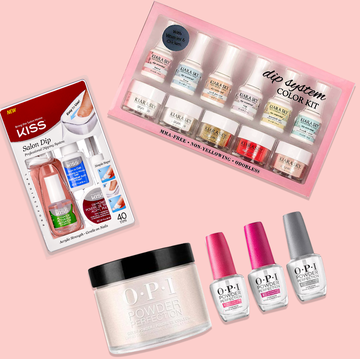
Helpful Products for Brittle and Peeling Nails


5. A thyroid issue
More than 12% of people in the U.S. will develop thyroid disease at some point, according to the American Thyroid Association, and women are five to eight times more likely to run into thyroid problems than men. The thyroid affects nearly every cell in the body, and if it’s causing systemic disequilibrium, it makes sense that your nails might be affected, says Dr. Nyanda. Symptoms of hypothyroidism (when the body doesn’t have enough thyroid hormones) include dry skin, brittle nails, and thinning hair.
The fix: If you’re experiencing a combo of the aforementioned issues, it’s a good idea to schedule a visit with your doctor to have your thyroid tested. Fortunately, treatment is usually pretty straightforward, and your symptoms should resolve when your hormone levels are stabilized.
6. A kidney problem
Meanwhile, more than 37 million adults in the U.S. have kidney disease and many are unaware, according to the National Kidney Foundation. “The kidneys have a very important function in maintaining the body’s functioning as far as clearing out any toxins from the body and excreting it, so any issues with the kidneys can eventually cause changes to the nail,” says Dr. Nyanda. “It could be peeling, yellowing, or discoloration.” Dry skin, low energy levels, increased urination, and muscle cramps are among the other signs of kidney disease.
The fix: If you have kidney disease, talk to your doctor about lifestyle modifications or medications that can help keep the condition under control.
7. Medications
Certain medicines, such as chemotherapy or Accutane, can cause nails to dry out, become brittle or peel, according to Dr. Curtiss. If that’s the case, your doctor should give you a heads-up. But if you take any prescriptions and experience peeling nails, it can’t hurt to ask your doctor if it’s a potential side effect.
The fix: In some cases, you may have to let the medicine run its course, but in other instances, there may be alternative drugs to try that may not cause your nails to dry.
8. A fungus
Formerly called onychomycosis, a fungal infection of the nail can also cause a thickening of the nail or discoloration that starts at the tip and spreads up toward the cuticle, according to the American Academy of Dermatology.
The fix: To diagnose a fungal infection and figure out the best treatment, your dermatologist may take a nail clipping to be examined in a lab.
9. Aging
Aging affects all parts of the body including nails. When it comes to brittle nails, Dr. Natalie M. Curcio, M.D., board-certified dermatologist at Curcio Dermatology in Nashville, says that nails grow slower and become naturally thinner and more brittle with age.
The fix: There's no real way to slow the aging process, however; you can help minimize the effect on your nails by engaging in preventive and active measures. "Wearing gloves during dishes and cleaning is the most impactful step most people skip," says Dr. Lee. "Keeping nails trimmed short reduces mechanical stress, and moisturizing immediately after hand washing is also essential."
When to see a doctor for peeling and brittle nails:
It’s a good rule of thumb to see a doctor if nails are not responding to consistent basic care after a couple of months, says Dr. Lee.
“I would always recommend seeking an evaluation from a medical professional if you’re noticing changes to the nail that aren’t resolving after you’ve potentially eliminated possible causes,” says Dr. Nyanda. So if you put a pause on manicures, wear gloves when cleaning, often moisturize and eat a healthy diet, but still have peeling nails, schedule a visit with your doctor to get to the bottom of it. They will take a look at your nails, review your medical history and lifestyle habits, and order any pertinent lab work.
Along those same lines, if you notice any other changes to your nails (such as discoloration) and can’t figure out why, see your dermatologist. “People can get melanoma in the nail,” says Dr. Curtiss. Remember, you’re better off having something looked at and finding out there’s nothing wrong than ignoring a potentially serious problem.
“Having that awareness to know that your nails could be an external representation of what’s going on on the inside as far as the underlying problems, and being able to recognize that and seek the appropriate treatment is so important,” says Dr. Nyanda.
With more than a decade of experience, board-certified dermatologist Caroline Chang, M.D., is nationally recognized as a top doctor in both medical and cosmetic dermatology. She is also the founder of Rhode Island Dermatology Institute, the state’s first direct care dermatology practice with the goal of providing high-quality, customized care.