
Did you know that nearly one in three women (and millions of Americans overall) aren't getting enough iron? This essential nutrient is about more than just energy. It helps keep your blood healthy, your brain sharp, and your body running at its best.
Iron is present in every cell of your body. It is essential for making hemoglobin, the protein in red blood cells that delivers oxygen to your cells and helps them produce energy. The good news is that there are plenty of delicious foods that can help boost your iron intake, and adding them to your meals can be easier and more enjoyable than you might think.
Iron Rich Foods
1. Oysters
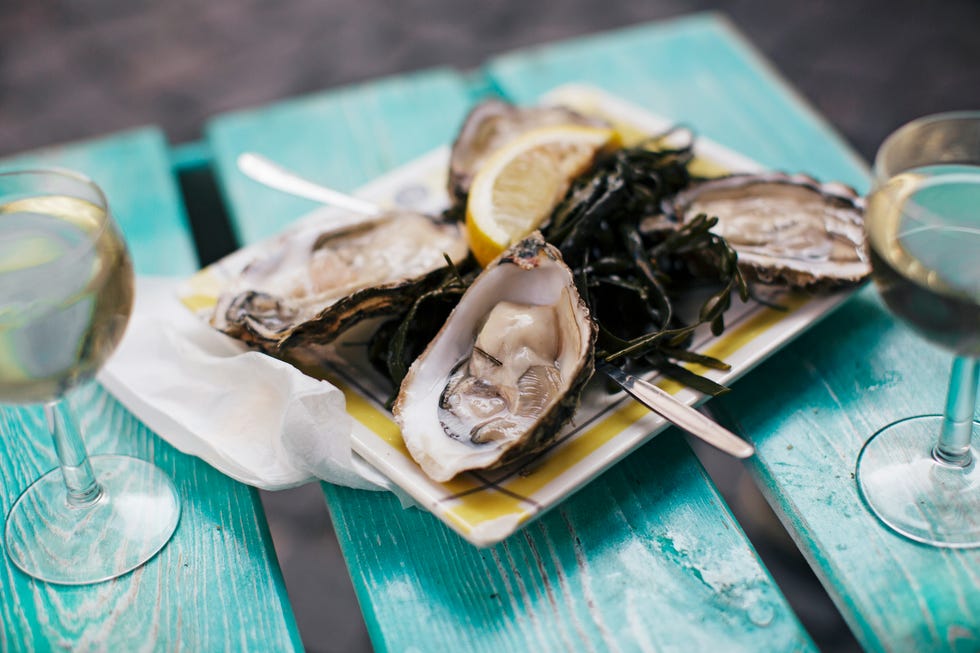
Just 3 ounces of oysters contain 8 mg of iron, or 44 percent of the daily value, making them an excellent source of the mineral. Drizzle them with lemon for extra flavor and a boost of vitamin C, which, when combined, helps your body absorb iron more efficiently. Oysters are also rich in zinc and other important nutrients. If oysters aren’t your thing, don’t worry, there are plenty of other iron-rich foods to explore and enjoy.
2. White Beans
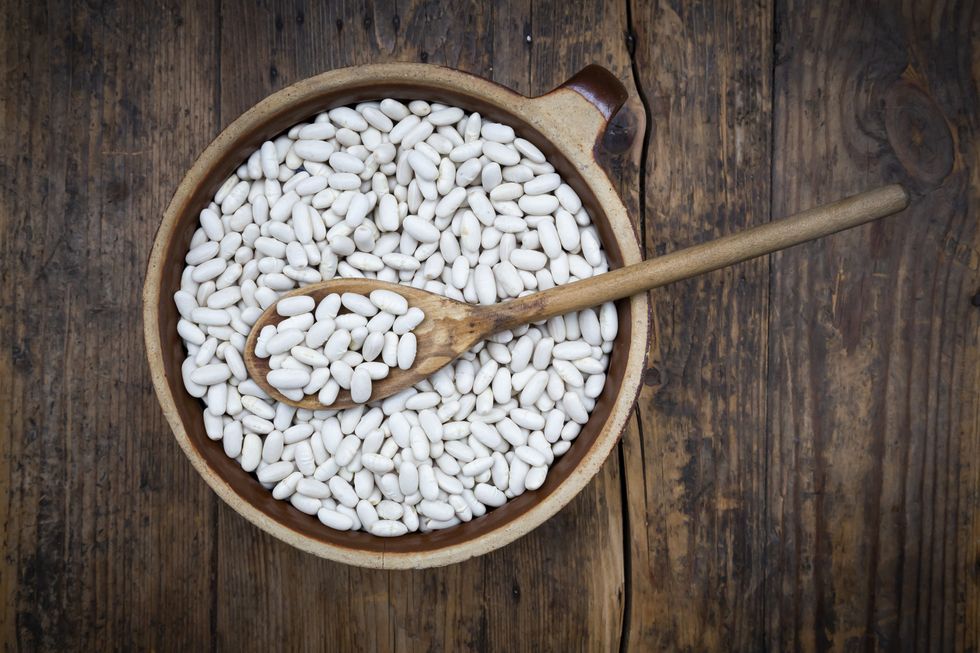
Also known as cannellini beans, these silky beans have a slightly nutty flavor and pair well in everything from salads to soups. One cup of canned white beans provides 8 mg of iron, or 44 percent of the daily value, while also delivering high amounts of fiber and plant-based protein. Even a half-cup serving is a great source of iron. White beans are versatile, budget-friendly, and can be easily added to a variety of dishes for a nutritional boost with minimal effort.
3. Dark Chocolate

Likely the most delicious option on this list, dark chocolate is surprisingly high in iron. Just one ounce contains about 2 mg, or 11 percent of the daily value. Enjoy it on its own or try dark chocolate-covered strawberries for a winning combination of iron and vitamin C to help absorption. You can also make a simple dark chocolate bark with iron-rich toppings such as pumpkin seeds, cashews, or dried apricots for an extra boost of nutrition and flavor.
4. Beef Liver
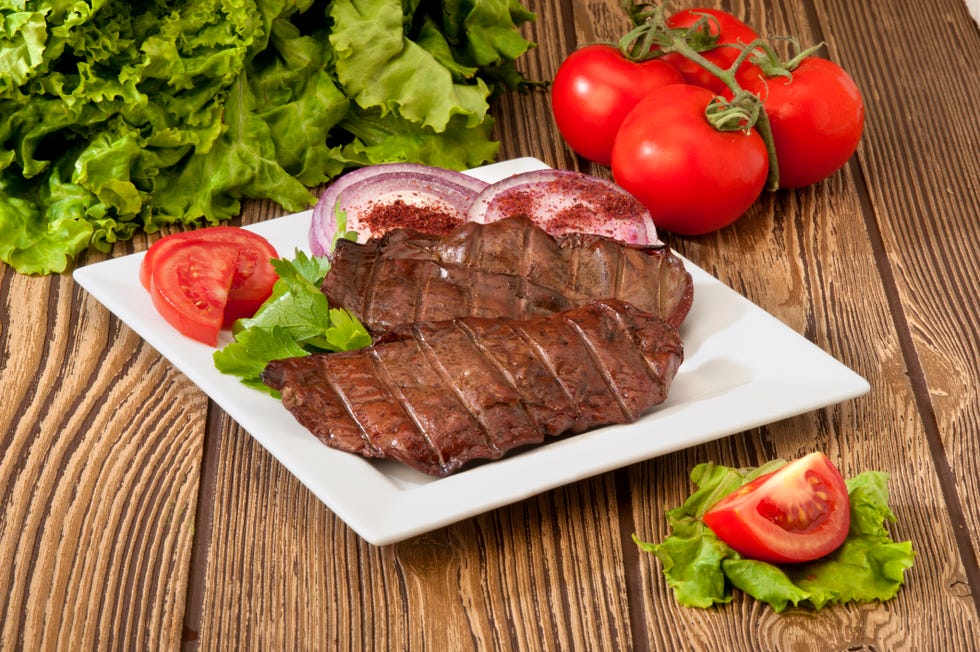
Although liver isn't as popular in the U.S. as it is in other countries, it's actually one of the most nutrient-dense foods on the planet. A standard 3-ounce serving of beef liver is abundant in iron, boasting 5 mg, or 28 percent of the daily value, making it an excellent source of the nutrient. It’s also packed with vitamin A, B vitamins, and essential minerals.
5. Lentils

This plant-protein powerhouse is also a great budget-friendly staple to keep on hand in your kitchen. A half-cup of boiled and drained lentils contains 3 mg of iron, or 17 percent of the daily value. Lentils are also high in fiber, protein, and other essential nutrients. You can enjoy them in everything from hearty lentil bolognese to warm wild mushroom and lentil salad, making this plant-based ingredient both nutritious and surprisingly versatile.
6. Spinach

Popularly known for its high iron content, a half cup serving of boiled and drained spinach has 3 mg of iron or 17 percent of the daily value. Spinach also offers fiber, vitamins, and antioxidants. However, it contains oxalates, which can inhibit iron absorption, so it’s important to pair it with vitamin C-rich foods. Try squeezing lemon juice over cooked spinach for extra flavor and vitamin C, or pairing cooked spinach with sautéed bell peppers (another vitamin C rich food) for better absorption.
7. Tofu

This plant-based staple packs in 3 mg of iron or 17 percent of the daily value in just a 1/2 cup serving of firm tofu. It’s also high in protein and can absorb flavors beautifully. If you're not a tofu fan or just don't know how to properly prepare it, experiment with one of these delicious tofu recipes from the Good Housekeeping Test Kitchen to discover new ways to incorporate it into your meals.
8. Kidney Beans

This nutritious bean is rich in plant-based protein, fiber and a slew of other nutrients. Incorporating a half cup of canned kidney beans into your favorite dinnertime chili or stew adds 2 mg of iron or 11 percent of the daily value. They also make a great addition to salads, grain bowls, or even mashed into a flavorful bean dip for a quick snack.
9. Sardines
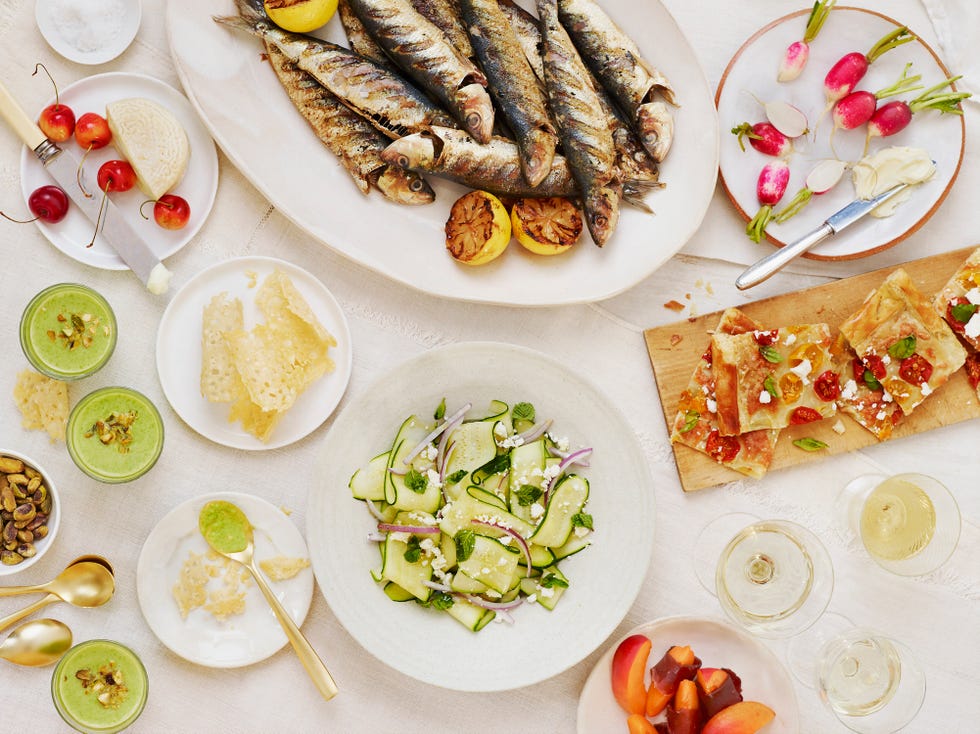
Just 3 ounces of canned sardines in oil with the bones provides 2 mg iron, or 11 percent of the daily value. This inexpensive fish is high in heart-healthy omega-3 fatty acids but low in mercury, and abundant in vitamin B12. You can enjoy them straight from the can, add them to a salad, or grill fresh sardines as you would any other fish. They also pair beautifully with lemon, herbs, or whole-grain toast for a quick, nutrient-rich meal.
10. Chickpeas

A half cup serving of boiled and drained chickpeas contains 2 mg iron or 11 percent of the daily value. From hummus to crispy chickpeas, there are countless ways this simple legume can be transformed into a tasty dish. Chickpeas are also packed with fiber, folate, protein, and healthy complex carbohydrates, making them a great option for salads, soups, or grain bowls.
11. Canned Tomatoes
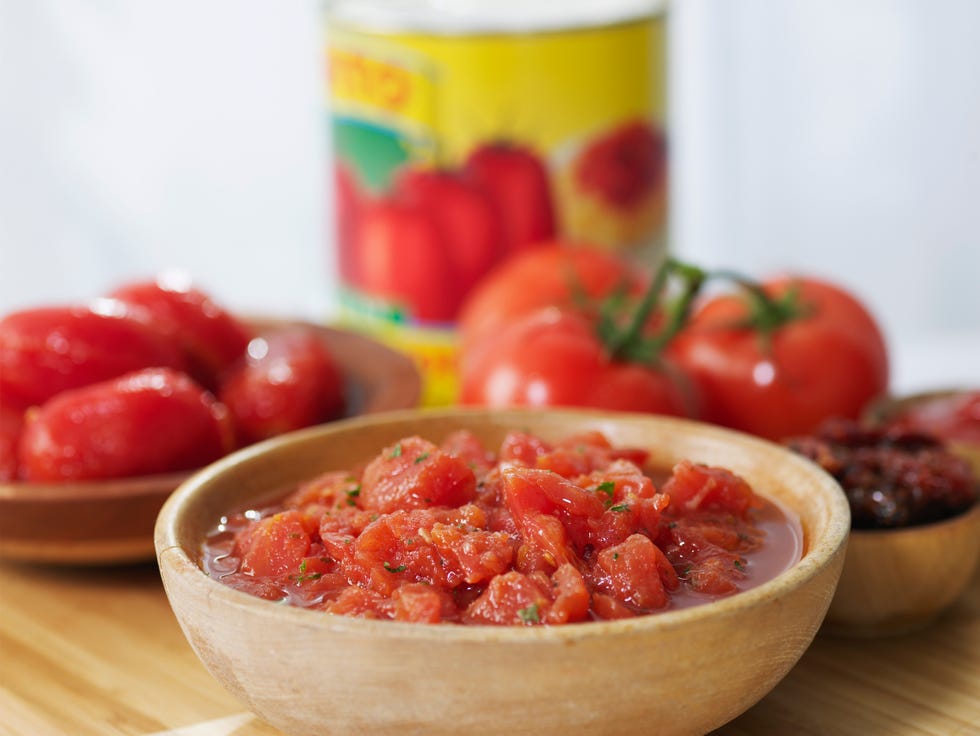
Raw tomatoes themselves don't contain a ton of iron, but canned, stewed tomatoes pack in 2 mg of iron or 11 percent of the daily value in just 1/2 cup serving. Even tomato paste and sun-dried tomatoes contain considerable amounts of iron. Plus, tomatoes are a great source of vitamin C, which helps boost iron absorption. They’re easy to incorporate into pasta sauces, stews, or even shakshuka for an extra nutritional punch.
12. Beef

Three ounces of beef has 2 mg of iron or 11 percent of the daily value. This heme form of iron is very bioavailable in the body. Try some of our favorite easy ground beef recipes from the Good Housekeeping Test Kitchen, such as beef nachos, gourmet burgers, and cheesy meatballs. For a simple boost, pair beef with vitamin C–rich vegetables—think, bell peppers or tomatoes to help maximize iron absorption.
13. Potatoes
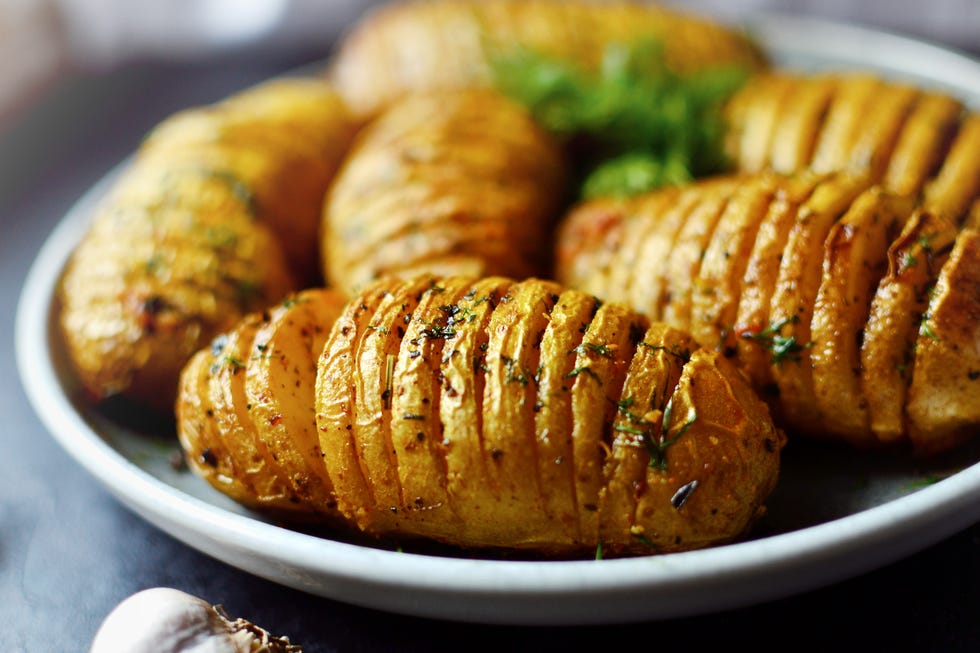
Pair your steak dinner with a baked potato for an extra iron boost. Just one medium baked potato boasts 2 mg of iron or 11 percent of the daily value. Be sure to eat the skin, where much of the nutrition is concentrated. You can also mash or roast potatoes with herbs for a simple, iron-friendly side dish.
14. Cashews
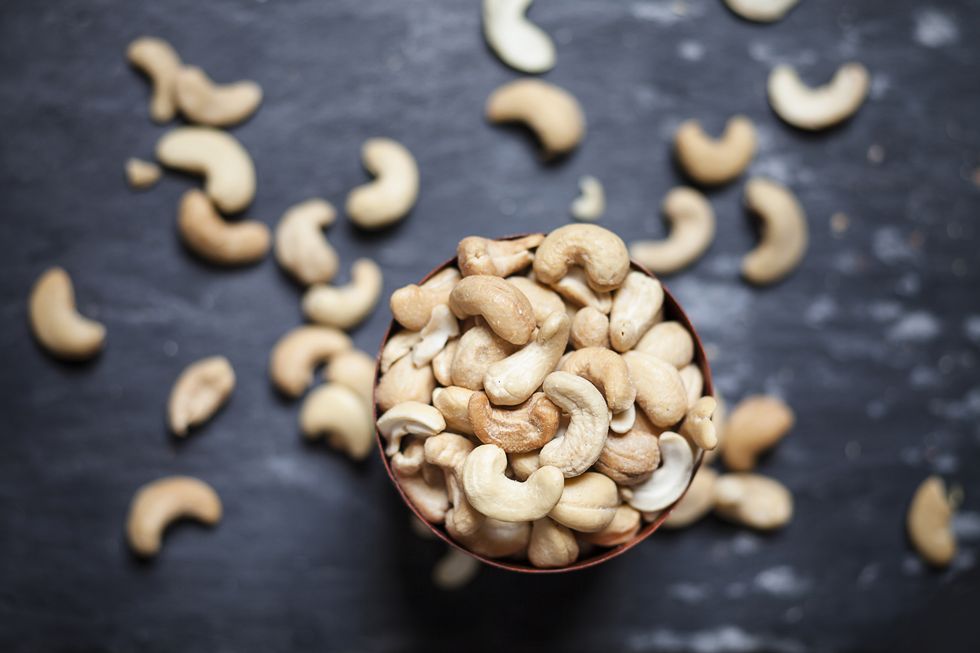
This snacking staple offers 2 mg of iron or 11 percent of the daily value in just a one ounce serving (about 18 nuts). Cashews are also rich in healthy fats and minerals. Try adding them to your favorite trail mix, sprinkling over salads, or getting creative with a vegan cashew queso for a satisfying, iron-rich snack.
15. Fortified Breakfast Cereals

Believe it or not, Americans consume about half of their dietary iron from bread, cereal and other grain products. Many breakfast cereals today are fortified with 100 percent of the daily value for iron (18 mg) in just one serving. A great way to increase the absorption of the iron from fortified cereal is to add sliced strawberries to your breakfast bowl or enjoy your cereal with a side of orange slices, both rich in vitamin C. You can also sprinkle in some nuts or seeds for extra protein, fiber, and crunch.
FAQs
Why Trust Good Housekeeping?
Stefani Sassos, M.S., R.D.N., C.D.N.,is the director of the Good Housekeeping Institute Nutrition & Fitness Lab, where she oversees all nutrition content, product testing, and evaluation. A registered dietitian, Stefani stays up to date on the latest scientific research to provide evidence-based guidance on diet, wellness, and healthy living. Having personally experienced iron deficiency anemia during both of her pregnancies, she is particularly well-versed in iron-rich foods and strategies to support healthy iron levels.


