After Years of Testing, These Are the Only 4 Organic Pillows We Recommend
Pillows that feel good and you can feel good about buying.

We've been independently researching and testing products for over 120 years. If you buy through our links, we may earn a commission. Learn more about our review process.
When buying organic bedding, you want the best for your home, but it's easy to get duped by "natural" sounding products that aren't actually certified organic. Fiber scientists at the Good Housekeeping Institute Textiles Lab are here to help—they vetted all organic claims to ensure the products follow strict organic guidelines. After testing dozens of pillows in the Lab with hundreds of at-home consumer sleep testers, our top pick is the Avocado Green Pillow because its adjustable design is great for all sleeping positions, it holds reputable organic certifications, and it's even a Good Housekeeping Seal holder.
The best organic pillows:
- Best overall: Avocado Green Pillow — Adjustable for every sleep position
- Best for side sleepers: Naturepedic Side Sleeper Pillow — Thick loft with contoured neck support
- Best latex: Coyuchi Organic Shredded Latex Pillow — Cool, supportive feel
- Best for kids: Avocado Organic Toddler Pillow —Sized for children over two
The most important certifications we recommend looking for are the Global Organic Textiles Standard (GOTS) and the Global Organic Latex Standard (GOLS)—every pillow in this round-up holds both of these reputable certifications to ensure the whole product meets strict standards.
 Best Deal


Pros
- Both supportive and fluffy feel
- Carries multiple independent certifications that verify both the organic materials and product safety
- Removable, machine washable cover

Cons
- Heavier pillow than others on our list

WHO IT'S BEST FOR: All types of sleepers who want a quality organic pillow that has customizable height and firmness
WHY IT'S OUR PICK FOR BEST OVERALL: This Avocado pillow holds reputable organic certifications, it's top-tested in the Textiles Lab and among consumer testers, and it features an adjustable fill great for all sleeping positions.
You can customize the loft until it feels just right whether you sleep on your side, back, or stomach. It's filled with a mix of springy, certified organic shredded latex and kapok (a natural fiber that feels silky and plush). It's all encased in a certified organic cotton outer cover. The kapok makes this pillow more malleable and less bouncy or springy than other shredded latex pillows.
All testers said this pillow was an improvement over their previous pillow. "This is hands down the best pillow I've ever slept on! This pillow kept its shape and coolness," said one consumer tester. "I sleep at every angle, and this pillow was comfortable no matter if I slept on my side, back, or stomach."
While not the easiest to fit into a pillowcase, the pillow bounced back quickly after being compressed in Lab tests, so it should stay supportive over time. The whole pillow is heavier than other picks. We love the removable, machine washable cover that makes cleaning and maintenance easy.
In addition to its organic certifications, this pillow also meets several third-party safety and organic standards, giving extra confidence that the materials have been independently verified like OEKO-TEX STANDARD 100, MADE SAFE, and Greenguard Gold.
| Fill | Shredded latex and kapok |
| Key features | Adjustable fill |

Pros
- Side panel helps it keep its thicker height
- Adjustable fill for customizable firmness
- Contoured shape for top-notch neck support
Cons
- Awkward fit with a traditional pillowcase
WHO IT'S BEST FOR: Side sleepers who need a lofty pillow that provides ample neck support
WHY IT'S GREAT FOR SIDE SLEEPERS: With a side panel to help it keep its shape, this adjustable pillow from Naturepedic offers enough support for side sleeping. It has a contoured shape to relieve pressure on your shoulders. The shredded latex fills has a firm feel for top-notch support and stability—it maintained its shape when compressed in Lab tests too.
Consumer testers said the pillow helped them maintain a stable body temperature, was comfortable to lie on, and offers support while still being plush. One tester shared, "I fell asleep almost at once and slept through the night and was surprised to find in the morning that I had not moved about during the night attempting to find a comfortable position." Another tester said, "The support is really the best part. Having filling to my perfect level to get the right alignment for my spine and support for my head is very important as a side sleeper."
RELATED: The Best Pillows for Side Sleeping
| Fill | Shredded latex |
| Key features | Curved shape, adjustable fill |

Pros
- Luxe outer cotton cover
- Resilient and supportive fill
- Testers liked its airy feel, great for hot sleepers
Cons
- Initial latex smell, according to online reviewers
WHO IT'S BEST FOR: With an organic shredded latex fill, this pillow is entirely adjustable, so it's ideal for side, back, or stomach sleepers.
WHY IT'S OUR BEST LATEX PICK: In the Lab, the pillow proved resilient and supportive, bouncing back instantly in our pressure tests after weights were placed on it for an extended period. Made of 450-thread-count organic cotton sateen, the outer cover has a super soft, luxe feel, and it can be removed and washed in a machine (the inner latex fill is not washable). It also fit well in a standard-size pillow case and wasn't too heavy compared to similar pillows.
Consumer testers also liked the firm feel, giving it high scores for support. One tester compared it to "a comfortable hug." Another tester said the pillow "felt cool and very supportive." Online reviewers noted an initial latex smell.
RELATED: The Best Latex Pillows
| Fill | Shredded Dunlop latex |
| Key features | Adjustable fill |

Pros
- Designed specifically for toddlers and children
- Supportive and soft
- Doubles as a travel pillow
Cons
- Spot-clean only
WHO IT'S BEST FOR: Toddlers and children over the age of 2 will sleep well with this kid-sized pillow.
WHAT MAKES IT GREAT FOR KIDS: A winner of a past Good Housekeeping's Parenting Awards, this small pillow is made with the same certified organic cotton cover and shredded latex and kapok fill as the full-size Avocado Green pillow. Unlike many other toddler pillows on the market made with polyester-fiber fill, this one is fully organic and feels substantial. It can also double as a travel pillow.
It also fits perfectly in toddler-size pillowcases and holds its shape well over time. Parents of testers from ages 2 to 3 also noted it provided proper alignment and their kids slept soundly using it. "The pillow feels premium, breathable, and made from high-quality materials," shared one parent tester. "My child sleeps so well on it!"
This pillow is not adjustable for safety reasons. Because this pillow is spot-clean only, we recommend pairing it with a pillow protector.
Note: Infants should never have pillows or other loose articles in the crib. Most experts agree it’s okay for toddlers to begin using a pillow by the age of 2.
| Fill | Shredded latex and kapok |
| Key features | Thin profile |
More organic pillows we tested:

- Saatva Latex Pillow: This pillow is recommended in many organic pillow guides, but it does not hold any organic certifications. Therefore, we could not verify that the material is truly organic. Side sleeper testers did like its supportive feel.
- Boll & Branch Down Pillow Insert: Unlike most down pillows, this one uses an organic cotton cover. This pillow performed well in our evaluations, maintaining its shape. Down fill cannot be certified organic, but if you still want a down pillow, this is a great option.
- Noble Lower Body Pillow: This triangular shaped body pillow uses organic wool for a supportive feel. This pillow is quite expensive and a bit niche to be included in the short list, but testers loved its luxe look and comfortable feel.
- Turmerry Organic Latex Pillow: While this pillow is a great value for an organic pillow, testers gave it lower scores compared to other tested styles. It features a very thin outer cover. We also tested the brand's Buckwheat Pillow, which testers were split over: some liked the supportive feel and others found it too firm.
How we test pillows

The Good Housekeeping Institute Textiles Lab evaluates all types of bedding, including pillows. Pillows are first tested in the Lab for ease of use, durability, and performance. We begin the process by checking care labels to gauge how easy each pillow is to clean. We then wash them five times each to observe how well they hold up to repeated laundering.
To find the best pillows, we have tested over 200 different pillows in the Lab with more than 1,000 unique consumer testers thus far.

We perform support tests by placing weights on each pillow to mimic real use before measuring how quickly they recover their shape once the weights are removed. We also check how well each pillow fits into a pillowcase to evaluate sizing. Finally, we note and assess any additional features.
In addition to our Lab testing, we work with consumer testers who are matched with a pillow based on personal preferences and sleeping styles to ensure each pillow gets a fair test. Testers then try each pillow for weeks before providing scored responses and in-depth feedback on comfort, support, temperature regulation, and more.

Lastly, we validate organic claims to ensure that the product actually uses organic materials and that the company isn't mislabeling or overpromising.
What to look for when shopping for the best organic pillows

Looking for the perfect pillow can be daunting, especially given all the different types of pillows available nowadays. And a great organic pillow might seem even harder to find. Here are some useful things to keep in mind when shopping:
Sleep position: When choosing the best pillow to buy, think about what type of sleeper you are. A good pillow will help align your spine and reduce neck pain during a long night, so it's important to find one that works with your sleeping position. Side sleepers typically need a thick, firm pillow, while stomach sleepers are better off with a thin, soft pillow. Back sleepers should opt for something in the middle, and those who toss and turn should look for a pillow with movable or adjustable fill.
Firmness: Pillow firmness often varies based on the material of the fill. Down and down-alternative pillows are the plushest, followed by memory foam (known for contouring to the body), kapok (often combined with shredded latex or foam for a soft, cushiony feel) and wool. Latex is a bit firmer, having more resilience and a bouncy feel, followed by buckwheat hulls, the firmest organic fill. If you're not sure what level of firmness is best for you, consider opting for an adjustable pillow, which allows you to remove some of the fill to customize the height and firmness of the pillow.
Temperature regulation: Not all pillows regulate your temperature the same way. While down and foam pillows tend to easily trap air and body heat, latex, kapok, buckwheat, and wool don't share this quality, making them preferable for hot sleepers.
Care label: Whether you can wash your pillows in a machine depends on the fill. Most down and down-alternative pillows are machine washable, with some having specific requirements for the type of washer. Memory foam, latex, and buckwheat pillows are typically spot-clean only. Check to see if these pillows have a removable cover that can be washed.
Price: Down and latex pillows are the most expensive types of pillows but are often top performers in our tests.
What types of organic pillows are available?

✔️ Latex: Natural latex is made from rubber tree sap and has a firm, bouncy feel. It's available as either shredded or solid foam. Shredded foam pieces feel plusher and can often be added or removed to adjust the height of the pillow; solid foams tend to feel firmer. Latex is also preferable for hot sleepers because it doesn't trap much air or body heat. Organic latex is regulated by the Global Organic Latex Standard (GOLS) and is often on the expensive side.
✔️ Kapok: Harvested from the kapok tree, the kapok used in pillows is a silky, cotton-like fiber known for being soft and luxurious. Kapok fill is often blended with shredded latex for a plush feel and is a great option for someone looking for a plant-based down-alternative pillow. Check for GOTS certifications to make sure the kapok used was grown and processed according to regulations.
✔️ Wool: Derived from the coats of sheep, goats, and other animals, wool can be used as a cover or fill for pillows. Wool doesn't cradle your neck like memory foam, down, or down-alternative pillows, and it isn't as supportive as latex, but it provides breathability and softness. While our testers have generally not preferred wool pillows because of their unique feel and distinct scent, some hot sleepers appreciate the material's temperature-regulating properties.
✔️ Buckwheat: These pillows are filled with dried buckwheat hulls to create a firm, adjustable pillow reminiscent of a bean bag. They offer great support and have superior breathability, but they can be noisy and heavy. Some testers have found that these pillows can irritate their skin and dislike how firm they can feel compared to other pillows. Overall, buckwheat pillows do not perform well in our tests.
For the cover, I recommend looking for 100% organic cotton in addition to the organic fill to ensure the entire pillow is organic—not just one component. Covers made of polyester or viscose, including those made from "bamboo," “rayon from bamboo” or "eucalyptus lyocell” cannot be organic.
What certifications should an organic pillow have?
To feel confident in your pillow purchase, you can ensure that the materials are truly organic by checking for these organic certifications:
✔️ Global Organic Textiles Standard (GOTS): This third-party certification verifies that the whole product meets strict organic, sustainability, ecological, and social criteria throughout the whole process of creating the product. The product must contain at least 70% organic fiber.
✔️ Global Organic Latex Standard (GOLS): If a brand claims its latex is organic, look for a GOLS certification, which ensures that the product contains at least 95% organically grown natural rubber latex.
You may notice other certifications on the product, but they may not have to do with whether the materials are organic. Certain materials like down and memory foam cannot be certified organic. The following additional certifications are common with bedding products:
✔️OEKO-TEX ensures that the product contains no harmful levels of certain chemicals.
✔️GreenGuard certifications mean that the product has low chemical emissions to improve air quality.
✔️ Responsible Down Standard can only be given to products where 100% of the down and feathers used are certified to be from responsible farms that respect animal welfare. Another similar standard is called the International Down Standard (IDS).
✔️CertiPUR-US refers to f0am that was made without certain toxic materials like flame retardants and heavy metals.
Can memory foam pillows be organic?

No, memory foam cannot be organic. The most common pillow fills—down, down-alternative, and memory foam—cannot be organic, based on the USDA's guidelines. If you're set on these types of pillows, look for one with an organic cover. Shredded or solid natural latex is a great swap for memory foam; it's similarly supportive with a bouncier texture.
Why trust Good Housekeeping?

We extensively evaluate data from both Lab and consumer testing before making our pillow recommendations. During our review process, we consider a range of body types, material preferences, sleep positions, and any potential issues, like overheating at night or experiencing neck pain. We also take a holistic approach and look beyond immediate comfort and support. We consider the shopping experience and durability, plus we review the brand’s marketing to check for misleading claims. When it comes to organic pillows, we validate any organic certifications.
Emma Seymour is the Textiles, Apparel, and Paper Lab associate director at the Good Housekeeping Institute. She has rigorously tested more than 200 pillows and has coordinated pillow sleep testing with hundreds of at-home reviewers. Seymour has a Bachelor of Science in Fiber Science from Cornell University and has been testing bedding for more than seven years at Good Housekeeping. She most recently updated this story.
Grace Wu is a textiles product review analyst at the Good Housekeeping Institute and oversaw recent in-Lab pillow testing of 40 pillows. Wu has written several stories on organic bedding, including the best organic sheets and the best organic mattress toppers. Prior to joining GH, she earned a Master of Engineering in Materials Science & Engineering and a Bachelor of Science in Fiber Science from Cornell University.

Readers Also Read

The Best Pillows of 2026
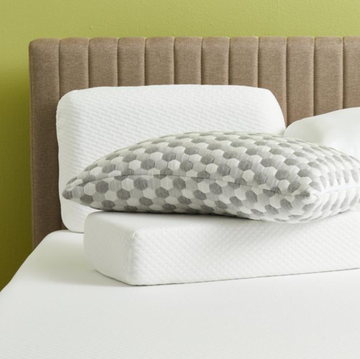
Expert-Tested Pillows for Side Sleepers

The Best Pillows for Neck Pain

The Best Pillows for Combination Sleepers


