 Medically reviewed by

When it comes to skincare, there are certain terms that I’ve watched transition from buzzwords to a permanent part of the lexicon. Case in point: the skin’s top layer, also known as the “skin barrier,” which went from a little known topic to one that pops up everywhere on social media and in skincare product marketing. It turns out that no matter what your skin type, keeping the skin barrier balanced is crucial for a complexion that's healthy, calm, clear, and hydrated at any age. Here, Good Housekeeping Institute Beauty & Personal Care Lab scientists and dermatologist experts break down the science and secrets of the barrier, including the signs (er, literal red flags) that it’s damaged and how to repair the symptoms.
So what exactly is the skin barrier?
Simply put, the barrier is the outermost layer of skin. “It traps and holds moisture in your skin, but it also blocks out allergens, irritants, and pollutants in the environment, preventing them from penetrating skin and causing inflammation,” explains Whitney Bowe, M.D., a dermatologist in New York. “The four main components that make a healthy skin barrier are lipids like ceramides, fatty acids, and cholesterol; the acid mantle (responsible for skin’s pH); the microbiome, composed mostly of bacteria; and the skin’s immune cells.”

What causes a weak skin barrier?
The skin barrier naturally maintains a symbiosis that keeps your complexion functioning properly (and looking clear and smooth), but these culprits can damage and weaken it, dermatologists say.
- Overwashing your skin. Cleansing skin too aggressively or too frequently and using cleansers that are overly harsh or drying or have a pH that is too alkaline can disrupt the barrier, Dr. Bowe explains.
- Certain ingredients. Overuse of potentially irritating active ingredients such as retinoids and exfoliating acids, as well as harsh physical exfoliators like grainy scrubs, can harm the skin's barrier. Other common culprits are some natural or synthetic fragrances as well as drying alcohols, especially on sensitive skin, Dr. Bowe adds.
- Environmental factors. These can include everything from low humidity to high wind, cold climates, and sun damage, says Sheila Farhang, M.D., a dermatologist and the founder of Avant Dermatology & Aesthetics in Tucson, Arizona.
- Stress. What's happening internally can have an effect on skin externally as well. “Overproduction of stress hormones can decrease skin’s natural lipids, disrupt the structural proteins, and increase moisture loss,” Dr. Farhang notes.
What are the signs that your skin barrier is damaged?
A compromised skin barrier can manifest itself in several ways, dermatologists say. Here are the signs and symptoms of a weakened skin barrier.

Getty Images Redness and Irritation
Telltale indicators include “skin redness, itching, or burning,” Dr. Farhang explains. “Those with rosacea and eczema have intrinsically compromised skin barriers,” Dr. Bowe notes.
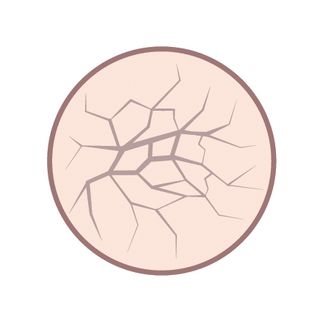
Getty Images Dryness and Roughness
“When the skin barrier is disrupted, skin becomes dry and can develop rough patches,” Dr. Bowe says.
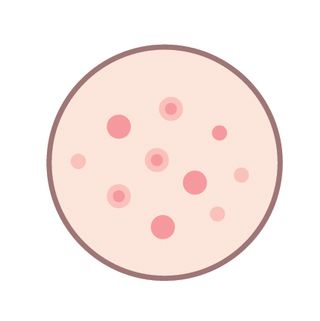
Getty Images Acne Breakouts
Blemishes can be a clue too: “I’ve seen a lot of acne patients who overuse products and disrupt their barrier, and the acne gets worse,” Dr. Farhang says.
How to fix a damaged skin barrier
The good news is, even if your skin barrier is compromised or weak, all is not lost. The skin barrier can repair itself over time naturally (if the damage is mild, it can return to a balanced state within a few hours; it can take longer if the symptoms are more severe). Support the process with these best practices to keep your skin’s surface healthy:
- Cleanse carefully. Wash with a gentle cleanser (skin shouldn’t be left feeling squeaky-clean, Dr. Bowe says). Use cool or lukewarm water, as hot H2O can strip your skin’s natural oils, Dr. Farhang adds.
- Tone down exfoliation. Skip harsher physical exfoliants like gritty scrubs in favor of sloughing acids in hydrating forms such as serums, Dr. Bowe advises.
- Replenish and repair skin. Bolster the skin barrier’s natural lipids by applying moisturizers that contain nourishing ingredients such as ceramides and squalane. Formulas made with prebiotics and postbiotics can support healthy skin bacteria.
- Avoid irritants. Seek out skincare products that are free of fragrances and essential oils, and “stop use of anything that burns upon application, which is an indication that your barrier is being damaged,” Dr. Bowe says.
Try the GH Beauty Lab top-tested and dermatologist-recommended skin barrier-friendly products below.
Best Skin Barrier Products


Dr. Whitney Bowe Beauty Bowe Glowe Microbiome Nourishing Cream
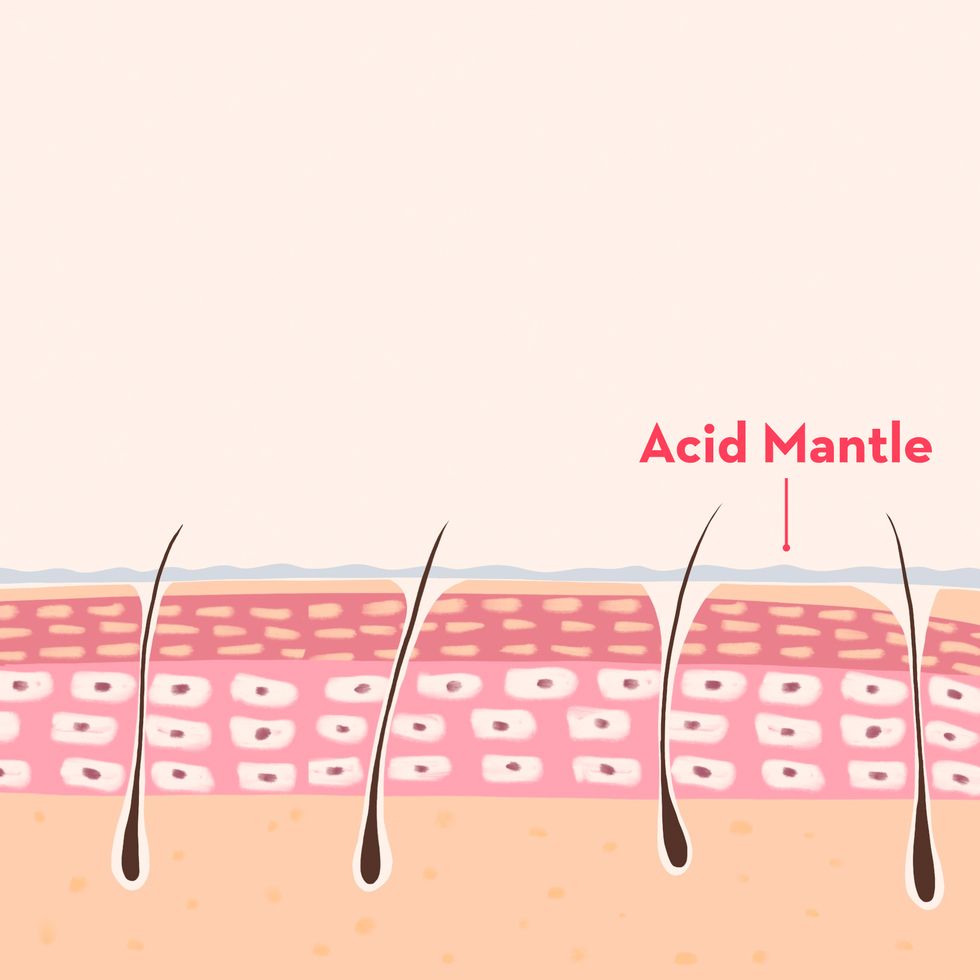
A final note: skin barrier vs. acid mantle
Sometimes confused with the skin barrier, the acid mantle is “a thin film over the skin barrier that determines skin’s pH, which should be slightly acidic to protect against pathogens,” Dr. Farhang says. It’s composed of sebum, the natural oil produced by skin’s sebaceous glands, and sweat. “In the same ways the skin barrier can be disrupted, the acid mantle can too,” she explains. In addition, “Skin’s pH gradually increases, or becomes more alkaline, as we age, which can compromise the acid mantle,” says GH Beauty Lab Senior Chemist Danusia Wnek. The tips above can also help promote a healthy skin pH.


