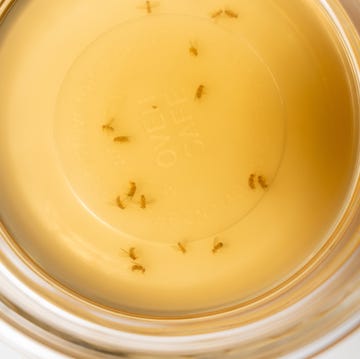
Every summer, I swear the mosquitoes somehow seem worse. I don’t know if the swarms are actually getting bigger or if spending more time outside just makes every bite feel personal. I live in a warm climate, so mosquitoes are a problem for about nine months of the year. A few years ago, I decided to stop relying on chemical sprays and electric bug zappers to control them in my yard. Those treatments can kill pollinators and pose a risk to other wildlife.
Instead, I focus on eliminating mosquito breeding areas wherever I can. Last summer, I also started using a “mosquito kill bucket” in my yard and was surprised by how well it worked as an extra layer of defense against the pests. So I wasn’t exactly shocked when a similar idea started gaining traction online: “bucket of doom.” It’s essentially the same concept as my “kill bucket,” and yes, it really can help. But while it’s clever, it’s not magic. Like most mosquito-control methods, it works best when paired with other preventive measures.
What is a “Bucket of Doom”?
Despite the dramatic name, a “bucket of doom” is actually a pretty simple DIY mosquito-control method. It’s typically made with just a few ingredients: a bucket of water, some organic matter like grass clippings or dead leaves, and a mosquito dunk. The decaying plant material attracts mosquitoes looking for a place to lay their eggs, essentially turning the bucket into an irresistible mosquito nursery.
But here’s the catch: The goal isn’t to trap or kill adult mosquitoes. Instead, the bucket targets mosquito larvae after the eggs hatch. Mosquito dunks contain naturally occurring bacteria that kill larvae before they can mature into biting adults. In other words, the “doom” happens before the next generation ever gets the chance to fly.

How does it work?
The “bucket of doom” works by taking advantage of mosquito biology. Female mosquitoes naturally seek out stagnant water to lay their eggs, and water filled with organic material is especially appealing because it signals a nutrient-rich environment for larvae. Once the eggs hatch, they develop into mosquito larvae that live in the water before maturing into adults.
That’s where mosquito dunks come in. Mosquito dunks contain BTI, short for Bacillus thuringiensis israelensis, a naturally occurring bacterium that specifically target mosquito larvae in water. BTI is commonly used in backyard ponds, bird baths, and other standing water treatments because it kills larvae without harming people, pets, or most wildlife.
So yes, a bucket of doom does technically attract mosquitoes. But untreated standing water elsewhere in your yard is usually a much bigger problem. The goal is to lure mosquitoes to one controlled spot and interrupt the breeding cycle before more adults emerge.
How to Make a Bucket of Doom
One of the biggest reasons the “bucket of doom” has become so popular is that it’s inexpensive and easy to put together with materials you may already have or easy to find at your local hardware store.
What you’ll need
● A 5-gallon bucket
● Water
● Grass clippings, leaves, hay, or other yard debris
● A mosquito dunk (BTI)
● Optional but highly recommended: a mesh lid or hardware cloth for added safety around pets or children
Step 1: Fill the Bucket With Water
Fill the bucket about halfway with water. You don’t need to be precise, but leave enough room for organic material.
Step 2: Add Organic Material
Toss in a handful of leaves, grass clippings, or other yard debris. Let it sit for a few days. When you start to smell a slight fermented odor, it’s ready. As the material breaks down, it creates the stagnant smell mosquitoes love.

Step 3: Make the Lid
If you’re going the hardware cloth route, cut a square of hardware cloth, which is a sturdy metal wire mesh often used in gardening and fencing, large enough to cover the top of the bucket with at least 1 to 3 inches of overhang. Be sure to wear gloves to protect your hands while cutting and handling the mesh. Bend the edges around the lip of the bucket to help hold it securely in place. The screen helps keep small wildlife out and can also prevent pets from accidentally accessing the water.
If you don’t want to bother with hardware cloth, you can also buy ready-made bucket basket lids designed for this purpose.
Step 4: Add the Mosquito Dunk
Place the mosquito dunk in the bucket according to the package directions. Do not skip this step. Without the dunk, you’re essentially creating a mosquito breeding site in your yard. Cover the bucket with the screen.
Step 5: Place the Bucket Strategically
Set the bucket in a shaded, quiet area where mosquitoes tend to gather, like near shrubs, under decks, or along fence lines.
Step 6: Maintain It
Refresh the water and replace mosquito dunks as directed throughout mosquito season. You have to maintain the water level, or the mosquitoes won’t lay more eggs. After a few weeks, you are going to notice fewer mosquitoes! It’s totally fine to place several of these in your yard. Remember, the doom bucket is only one way to eliminate mosquitoes. Remove standing water wherever you see it, and you can enjoy a mostly mosquito-free summer!
Debbie Wolfe is a writer, photographer, and author. She has contributed hundreds of home and garden articles and DIY tutorials to leading media outlets and retailers. Debbie covers all home and gardening topics and has published hundreds of DIY tutorials with step-by-step photography for leading home and garden media outlets.