
A new month is finally upon us! Bringing with it the hope of brighter days, warmer weather and the general air of a fresh start. As we leave the worst of the winter behind us, March is the perfect time for a clean slate – literally.
Making sure your monthly cleaning to-do list is in order is important during any month, but none more so than in March. Spring cleaning will soon be upon us, and whether you decide to tackle it this month or next, there are some vital cleaning jobs to tick off now to make the whole event much smoother and cleaner.
So here are the items and areas to tidy up this month – you might not have thought of some of them, but I assure you the effect will be immediate. It will help you prep for and win at spring cleaning this year, so you can welcome the new season with a truly fresh start.
Vacuum cleaner

As I said, a lot of March’s cleaning tasks are all about prepping for the spring clean. And an area that often gets overlooked is the cleanliness of the cleaning tools themselves. We rely on them to clean our homes, but we don’t often stop to think whether they’re clean in the first place. The vacuum cleaner is a great example of this, being dragged around our homes, over and through whatever muck we have lying around. Yes, we may empty it, but that’s not enough.
To give it a proper clean, start by unplugging it. Empty the dust bag into the bin and give both it and any filters a clean, washing the washable ones and letting them dry fully before reinstalling, or replacing disposable ones. Next, tackle the inevitable nest of hair and debris wrapped around the brush roll. You can use scissors or a brush if need be to dislodge it. Then wipe the inside and outside with a damp cloth and mild washing-up liquid where appropriate. Allow everything to fully dry before using again. Suction should improve and that stale smell that often wafts from vacuums should also disappear. Win, win.
Mop heads
Another cleaning tool that can often double as a secret home for bacteria is the humble mop head. You should be replacing yours with a disposable cover for flat-head mops, or washing reusable heads, after every three to four cleans. You should also give it a quick clean after every use. This is especially important ahead of doing any spring cleaning this month. Nobody wants to drag a dirty cloth over all their floors, re-contaminating them over and over again.
Make sure you’re fully stocked with disposable heads, and that all reusable ones have been thoroughly washed. To do so, after every use your mop heads should be rinsed in hot water and disinfected, and allowed to fully dry before storing away. For a deeper clean, which you should be doing after every three to four uses (especially this month), hand-wash the head or (if it’s machine washable) simply chuck it in the washing machine on a 60-degree cycle where possible, to remove all that grime and bacteria. Afterwards, make sure it fully air-dries to avoid regrowing all that bacteria you just removed.
Windows

As lovely as all this gorgeous springtime sunshine has been, it has drawn our attention to an area of the home that’s in serious need of a scrub – our windows. The streaks of sunshine now pouring in are unfortunately punctuated by greasy fingerprints and suspicious smudges.
The time of day matters, too. Choose a cool, bright but overcast day with little risk of rain. The softer light will help you see any marks more clearly and stop the solution from drying before you’ve had a chance to buff it properly.
For a quick and painless way to keep your windows sparkling this spring, without having to fork out the cash for the professionals, we have a few tips and tricks. Start with a quick dusting of the frames, sills and glass, knocking off any dust or cobwebs. Either use a trusted window cleaner or you can try a homemade solution of one part distilled white vinegar to nine parts water in an old spray bottle. Start by wiping the frames before moving on to the glass, gently scrubbing from top to bottom. Use a squeegee or a clean microfibre cloth to remove the water and avoid streaks. Repeat the process inside and outside for a clear, streak-free finish.
Garden shed
Those with green fingers will be chomping at the bit as the first signs of spring emerge. With bulbs finally beginning to bloom, now’s the ideal time to make sure your garden shed and gardening equipment is spick and span.
Start by emptying the shed completely (this is a good time to get a quick declutter in, too). Give the space a sweep, removing any dried muck and cobwebs, and looking for any signs of damage, such as rot, that might need addressing.
Tools will also need a look-over to make sure they’re clean and ready for the new season. Remove dirt, rust and sap, dry them well and oil the metal parts so they stay rust-free, sharp and last longer. Next, check and clean hard surfaces like decking, fences and roofs, to remove grime and algae. Don’t forget plant supports and equipment, such as trellises or hoses, which can harbour pests or disease if left dirty.
Toilet brush

It sounds random and gross, and in many ways it is, but toilet brushes are an often overlooked item in our home when it comes to cleaning, let alone spring cleaning. And yet they’re possibly one of the dirtiest things in our homes.
Start by rinsing your brush in clean water. Then use the brush to clean your toilet bowl thoroughly with a disinfecting toilet cleaner. Once you’ve done a tough scrubbing, leave the brush to sit and soak in the solution for 10 minutes without flushing. Then flush and use the brush to scrub away any remnants. Leave the brush to dry properly before storing it away by trapping the handle between the toilet seat and bowl, leaving the lid open to speed up the process. Drying it properly is the secret for keeping your toilet brush clean and hygienic.
And don’t forget the toilet brush holder, too. Drain any toilet water from it, then apply a few drops of the toilet cleaner and combine with cold water. Leave to soak following the same rules, rinsing afterwards.
Walking boots
As the weather begins to warm up, we’ll be taking to the outdoors more often. March and spring are a great time to get stuck in to hiking, exploring or just some slightly less muddy dog walks, before the dizzying heights of potential summer heatwaves begin. So let’s make sure your gear is up to scratch.
All that caked-on mud from the winter needs to go – it’s not doing your boots (or you) any favours. To remove mud from welly boots, let it dry fully first, as this makes it easier to shift. Knock the boots together outside to loosen thick clumps, then use a stiff brush to scrub away any remaining dirt, paying attention to the seams and treads. Rinse with warm, soapy water to remove residue, wipe clean, then leave them to air-dry naturally away from radiators or direct sunlight to protect the rubber from cracking.
For walking boots, brush off dried mud and loosen grit with a soft or stiff brush, then clean by hand using warm water and a mild cleaner or specialist boot wash, taking care not to soak the materials or use a washing machine. After rinsing, remove insoles and laces, let the boots air-dry naturally (stuffed with newspaper to help absorb moisture), and apply a suitable waterproofing or reproofing treatment once dry to ensure strong performance and longevity for all those springtime adventures.
Light jackets

Speaking of warming up, while we’re definitely not fully out of the woods when it comes to cool temperatures, they are improving. Dare I say it might even soon be light jacket weather? Now that’s what dreams are made of. So let’s make sure, when those temperatures begin to rise, that our jackets are ready for it. But first, a disclaimer: always check the care label – it’s there for a reason.
For leather jackets, wipe the surface with a damp cloth to remove dirt, use a specialist leather cleaner for any mysterious marks that may have popped up over the last few months in storage, and always let them air-dry naturally before applying a leather conditioner to keep it supple.
For corduroy jackets, brush the fabric gently to lift dirt from the ridges, spot-clean with mild detergent and cool water, and avoid over-wetting to prevent flattening the pile. Some jackets might be machine-washable but be sure to follow the care label closely and always air dry instead of tumbling.
For denim jackets, turn them inside-out and wash on a cool, gentle cycle with mild detergent, or spot-clean to preserve colour, then air-dry to help maintain their shape and prevent fading.
The GHI’s Best Cleaning Products 2026

Score: 95/100
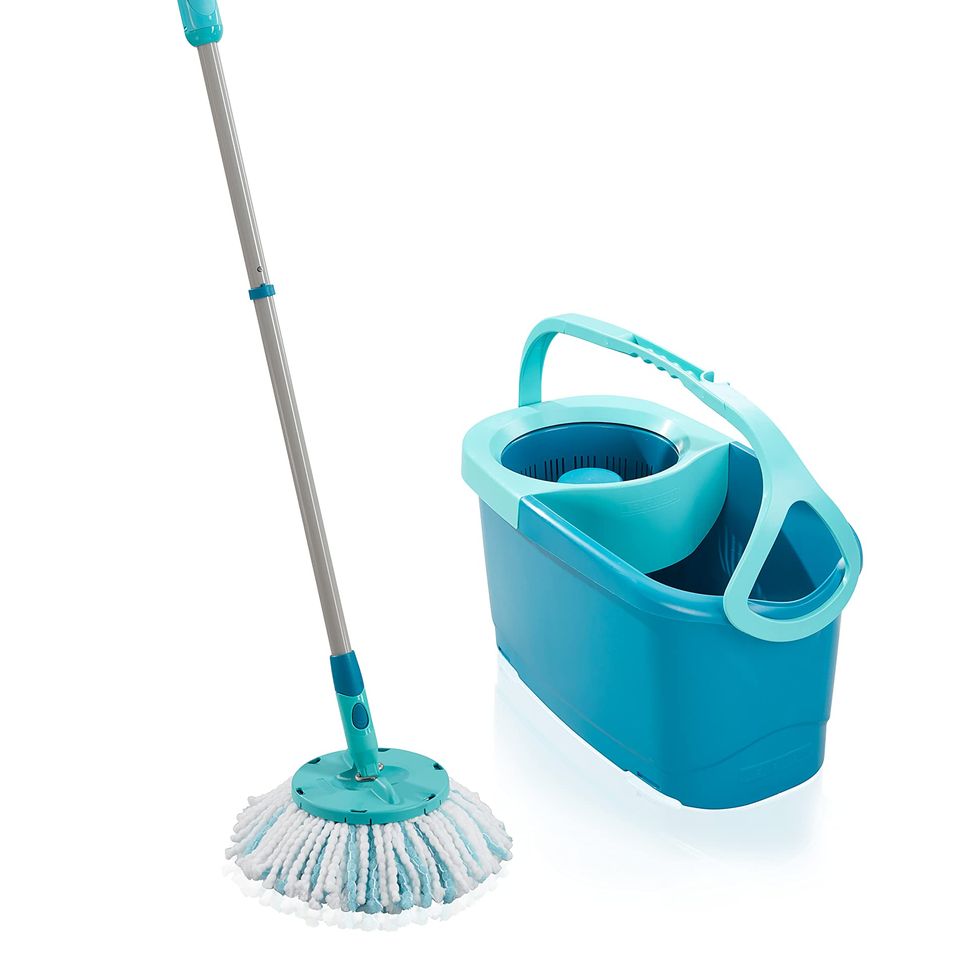
No one likes having to deal with a dripping mop, but Leifheit’s spin technology means you can say goodbye to puddles. You simply push the mop into the sturdy basket, press the handle and it will make light work of anything from spillages to nasty stains. The microfibre swivel head can get into every nook and cranny and the bucket also has wheels for speedy cleaning from room-to-room.

Score: 89/100
Claiming to be tough and long-lasting, our team found these double-sided sponges effective at removing grease and expert at cleaning items such as glasses and cutlery that typically trap food or grease in their grooves. The sponges are also easy to clean in the washing machine or dishwasher (in the top drawer), keeping them bacteria-free.

Score: 87/100
This all-in-one washing machine sprucer is designed to eliminate odours, remove detergent and grime from the drum, and leave the machine’s surface sparkling. Our panel found it delivered on its promise.

Score: 91/100
Our best oven cleaner scored full marks for its performance in the lab. Burnt-on food melted away from the racks with ease after soaking, needing just a quick rinse to get rid of all the residue. It was a similar story on the base of the oven, which was left shiny and spotless with minimal scrubbing required – something other oven cleaners often struggle with.


