Sightings of mass slug invasions have been reported up and down the country in recent weeks, including in many of my own Good Housekeeping colleagues’ gardens. One colleague in particular told me of her horrifying discovery. After moving a pile of leaves, she discovered a mountainous colony of the slimy suckers, more than she could count, ‘So many unbelievably huge slugs that were absolutely disgusting and super slimy, they’re really big this year compared to last, scarily so,’ she told me. But her story is one of many right now.
Slugs are a seasonal pest, often appearing in big numbers around springtime, but why does there seem to be even more this year?
‘We had a notable peak in 2024, thanks to a gentle winter and damp spring, very similar to the start of 2026.’ says Julian Palphramand, head of plants at British Garden Centres, hinting that we might be heading for the Slugaggedon sequel this year.
But fear not, all is not lost just yet. I’ve been chatting to some gardening experts to figure out why this slimy sea is washing in, and more importantly, how to get rid of them. Discovering methods that are both effective and humane.
Why are there so many slugs right now?
Short answer, it’s down to the weather. ‘Mild winters, like what we’ve just experienced, without hard frosts mean more slugs survive,’ says Julian, ‘And coupled with wet weather, this encourages breeding and surface activity.’ So while we all suffered through those biblical 50 straight days of rain earlier this year, the slugs were having a party – at our garden’s expense.

Some experts point out that it’s too early in the season to guarantee this spike in slug sightings will hold and top 2024, as March and April are known for unpredictable weather conditions, but with warmer weather on the forecast – it’s looking very likely. ‘What we can say with confidence is that there are likely plenty of slug eggs sitting in the soil right now after the mild winter,’ says Tessa Cobley, plant pest expert and owner of Ladybird Plantcare. ‘Whether those eggs successfully hatch and grow into garden-munching adults will depend on how the weather behaves over the next few weeks.’ So while we may all have our fingers crossed for some sunshine this spring, so do the slugs.
How to get rid of them?
But we don’t need to sit there and let those slimy suckers steal our precious plants, it’s time for some action. I asked our experts the most effective ways to get rid of slugs, without damaging our plants or the local ecosystem in the process.
Nematodes
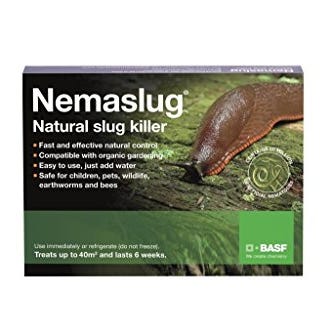
‘One of the most effective and wildlife-friendly solutions is using beneficial nematodes,’ says Tessa. These are naturally occurring microscopic worms that live in the soil and act as a natural form of pest control.
‘When applied to the garden, they actively seek out slugs in the soil and release a natural bacterium that stops them feeding,’ no food, and they lose interest. ‘The clever part is that they’re extremely specific. They only target the pest they’re designed for and won’t harm birds, pets, hedgehogs or other garden wildlife,’ says Tessa, keeping the local ecosystem thriving.
And they’re not at all complicated to implement either. Store them in the fridge before use, making sure not to confuse them for a salad topping. Follow the instructions on the packaging and mix the powder with water, using a watering can to distribute across your garden. ‘Once in the soil, the nematodes get to work, searching out slugs beneath the surface where they’re often hardest to control.’
Barriers
Once the nematodes have been laid, you can get to work preventing any new slugs from sliding in. While they might not be picky eaters, there are a few materials they won’t come near. ‘Eggshells, grit and copper offer a gentle barrier,’ says Julian. And while this is not a complete fix, it adds a nice extra barrier of defence for protecting individual pots. You can also buy specifically designed copper tape or slug rings for this, ‘Slugs tend to avoid crossing the copper barrier. They’re especially useful for patio planters or prized plants you want to shield,’ suggests Tessa.
Encourage natural predators

For a truly natural ‘circle of life’ approach to removing slugs, you can play upon their food chain. ‘There are several natural predators like frogs, toads, hedgehogs, ground beetles and slow worms. You can encourage them into your garden with a pond, log pile or hedgehog gaps,’ suggested Julian. And if you have the capacity or have been looking for some slightly more unusual pets, Tessa suggests ducks and geese as these are ‘famously enthusiastic slug eaters, too!’
Garden maintenance
You can add some super-easy habits into your garden maintenance routine to help make your space just that bit less enticing for slugs. ‘Water gently in the morning (so it has time to dry before they come out at night) and tidy hiding spots. Make sure to trim low leaves, ease off mulch and clear debris. This way, slugs face drier days, and you can see them better, too,’ suggests Julian.
Start at the source
The main takeaway when it comes to banishing these pests from your garden is to start at the source, says Tessa, ‘If slug numbers are already high, it’s usually better to tackle the population in the soil first using biological methods like nematodes and then use barriers as an extra line of defence for vulnerable plants.’
What attracts slugs?
I’m not saying it’s you, nor your garden’s fault that you’re battling slugs right now – but there are a few key things to be aware of that might be attracting them. This is especially useful to know if you’re currently about to start a garden project and don’t wish to see slugs in your future.
‘Slugs are simple creatures’ says Tessa, ‘give them moisture, shelter and something tasty to eat, and they’ll happily move in. Damp soil and shady corners are slug heaven. They love gardens that stay moist, as it makes it easier for them to travel across the soil. After long periods of rain, the soil becomes soft and easy to move through, which makes it even easier for them to explore your borders.’

Fresh, young and new plants are slugs favourites – those big bullies, picking on the new kids in the patch. So you’ll want to give your newest additions the most protection. ‘If you’ve recently planted out tender plants and the weather has been wet, you’ve essentially rolled out the red carpet for them,’ says Tessa. She also suggested some of the biggest slug magnets include:
Ornamental plants:
Marigolds, Zinnias, Petunias, Sweet Peas, Primroses and Asters.
Vegetables:
Lettuce, Cabbage, Peas, Beans, young Cucumbers and newly planted seedlings.
Other favourites:
Strawberries, Basil and the young shoots of many perennial plants.
‘That said, slugs aren’t particularly picky when they’re hungry, so if numbers are high, they’ll happily sample a wide range of plants around the garden,’ says Tessa.
What not to do
As much as we need to know what to do, it’s also important to point out that there are plenty of old remedies used for battling slugs, which – according to the experts – you should avoid at all costs.
Salt: ‘I’d skip salt and vinegar, as they can upset soil life and other creatures,’ says Julian. While it’s common knowledge that salt kills slugs, it’s not only a seriously cruel method, but it also toxifies the ground around it.
Poison: ‘Slug pellets are a common example of a method doing more harm than good,’ informs Tessa. ‘While they may seem like a quick fix, they can pose a risk to birds, hedgehogs, pets and other animals that might eat the pellets or feed on poisoned slugs. They can also wash away in heavy rain, which means they often lose effectiveness just when slugs are most active.’