
Keeping up with the same cleaning chores day after day takes its toll, especially when you have other responsibilities. Whether it’s the kids running around, a full-time job or health conditions to consider, many things can sap our energy and leave us feeling like we need to cut a few corners.
But you shouldn’t feel disappointed or angry with yourself when this happens. With the right approach and techniques, you can change your perspective and feel more like a superhero! To help lighten the load, we spoke to four cleaning experts to find out their top tips to keep up with the cleaning when exhaustion hits, so you can make the most of the energy you have and still feel brilliant by the end.
1. Think little and often
The first tip that almost every expert reiterated is breaking up the workload, cleaning little and often. ‘Start small and be consistent,’ says Rosa Picosa, Fabuloso cleaning expert. ‘Focus on managing daily cleaning tasks by doing a little bit each day, then conduct deeper cleans when it best fits your schedule – whether it’s weekly, bi-weekly, or even monthly. For me, consistency helps ground myself and determine what’s essential. Cleaning frequency is really about consistency, not perfection.’
Cleaning like this means fewer chores will need doing in succession, which is what takes its toll on your energy. If you’re used to cleaning everything at once it might be an adjustment, but it takes the pressure off and means you have more of a chance to recover between the tasks.

2. Don’t bite off more than you can chew
This goes hand-in-hand with the above. Biting off more than you chew is a recipe for exhaustion, so don’t attempt to fully clean the home – or even whole rooms — in one big swoop.
Rosa says cleaning the entire home ‘can feel overwhelming, especially when you’re already exhausted, and it often leads to burnout and procrastination. Give yourself permission to prioritise the spaces you use most and remember that your home doesn’t have to be spotless to be clean and comfortable.’
Renata Cruz, cleaning expert and professional organiser at Coastal Maid San Diego, agrees, and adds: ‘A common error I witness is individuals choosing to skip regular daily maintenance tasks so they can attempt to accomplish a large-scale cleaning project over a weekend. However, allowing a build-up of clutter and messes over an extended period typically results in an overwhelming amount of work compared to staying on top of the small tasks that occur daily.’
3. Try a new technique
There are plenty of different cleaning techniques you can try to break up the task and even make it more of a game so it feels more achievable.
Rosa recommends: ‘Using the zone cleaning method, as it stops grime from building up too much, making your cleaning easier. To do this, I like to section off my home into zones and compile roughly 2-4 tasks for each area. Then, I set a 10-25-minute timer and move as fast as I can to get through each zone. I’m not doing a white-glove clean; I’m doing my best in the time that I have, then moving on. This helps set boundaries and effectively manage which areas are actually a priority, which can make a huge difference in how you view cleaning routines.’
There are strictly time-based cleaning methods, too, which limit how long you clean. Renata recommends, ‘Setting timers for 10 or 15 minutes and giving yourself total permission to stop working as soon as that timer sounds. The reason behind this is that committing to a very short, defined period of time allows you to focus on one specific task without feeling overwhelmed by an undefined long-term obligation.’
We’ve also tried the 5-minute clean routine, as well as the one-tool cleaning method here at GH, if you’re looking for more inspiration.

4. Let the products do the hard work
The next tip involves no elbow grease at all – you need only wait to reap the benefits.
Gabor Filo, founder of Natural Flower Power, says you need to: ‘Stop scrubbing and start waiting. I’ve watched so many people spray a cleaner and wipe it right back off — three seconds, maybe less — then wonder why they’re scrubbing so hard. The bottle isn’t a magic wand — surfactants want a few unbothered minutes on the grime before anything lets go.
‘At home I’ll mist the hob, wander off to brush my teeth and come back to find the mess ready to give up. When you’re exhausted, let the chemistry do the push-ups.’
All household cleaners need time to work on the stain. The solution will gradually react to it and dislodge it, making it easy to wipe away after the given time. Just refer to the instructions to see how long you need to wait. Apply your cleaner to a select few surfaces around the home and by the time you return to the first, time may well be up.
5. Clean smarter
Are all your household cleaners stacked in a mass under the kitchen sink? That’s something you might want to change.
‘Shrink the decision, not the chore,’ says Gabor. ‘Decision fatigue kills a cleaning routine long before physical fatigue does — if starting means choosing from nine different bottles under the sink, the couch wins. So park one all-purpose bottle and a cloth wherever the messes actually happen — kitchen, bathroom, by the back door. Wiping a counter takes 20 seconds when the bottle’s already sitting there. When it starts with a trip to a cabinet? Somehow it never happens.’
You can group your remaining products in a cleaning caddy to organise them and make them easy to grab and go. It’s also good practice to mark on the bottle when each cleaner was first opened and used, so you can keep an eye on its age and replace as needed. The performance and consistency of the product can change once it’s passed its best.
Under the sink is one of the 5 cluttered places in the home we’ve been ignoring for far too long.

6. Keep your senses in mind
One expert pointed out that cleaning can feel like less of a chore when you take your senses into account.
Danny Leung, founder of Detoorp, says: ‘Most people think of cleaning as purely functional, getting through it as fast as possible. But when you bring in natural scent and the visual senses properly, the whole thing shifts into something completely different.
‘Think about how a hotel room smells when it’s freshly cleaned, or that feeling when you walk into a spa with eucalyptus mist. It’s the smell doing a lot of the emotional work. When you spray something down and that scent hits you, your body actually responds to it: lavender can genuinely help you feel calmer, citrus tends to lift your mood and wake you up a bit, eucalyptus feels clean and clears your head. You can let the cleaning become the calming bit of your day, rather than the stressful bit.’
Opt for natural cleaning products, which often contain essential oils for a fragrant finish. You could even give yourself fragrance-based rewards by spritzing a particular room freshener once a task is done.
7. Don’t guilt-trip yourself
Finally, check in with yourself and consider how you’re handling your to-do list. Consider how you feel about your home and why that might be.
‘I advise individuals who are experiencing low energy to refrain from placing guilt on themselves for lowering their standards temporarily,’ says Renata. ‘Focusing on taking out the rubbish, washing dishes and wiping down one surface per day can provide a completely reasonable means for maintaining a functional living environment during periods of extreme fatigue, versus striving for perfect cleanliness every single day and ultimately suffering from burnout due to excessive demands.’
In short, there’s nothing wrong with adjusting your standards and giving yourself a break. Consider what you’ve achieved, both in and out of the home, and show yourself some appreciation – focus less on the to-do list and more on the list of what you’ve done to put it all into perspective.
The GHI’s Best Cleaning Products 2026

Score: 95/100
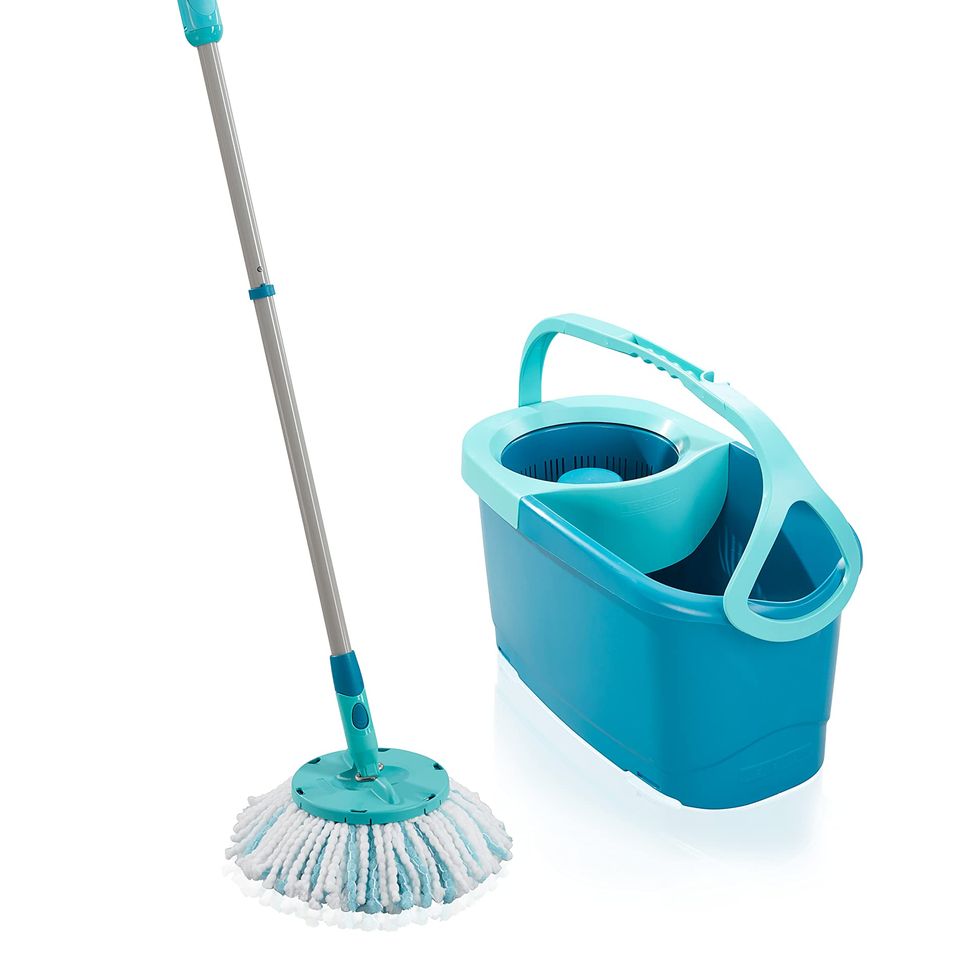
No one likes having to deal with a dripping mop, but Leifheit’s spin technology means you can say goodbye to puddles. You simply push the mop into the sturdy basket, press the handle and it will make light work of anything from spillages to nasty stains. The microfibre swivel head can get into every nook and cranny and the bucket also has wheels for speedy cleaning from room-to-room.

Score: 89/100
Claiming to be tough and long-lasting, our team found these double-sided sponges effective at removing grease and expert at cleaning items such as glasses and cutlery that typically trap food or grease in their grooves. The sponges are also easy to clean in the washing machine or dishwasher (in the top drawer), keeping them bacteria-free.

Score: 87/100
This all-in-one washing machine sprucer is designed to eliminate odours, remove detergent and grime from the drum, and leave the machine’s surface sparkling. Our panel found it delivered on its promise.

Score: 91/100
Our best oven cleaner scored full marks for its performance in the lab. Burnt-on food melted away from the racks with ease after soaking, needing just a quick rinse to get rid of all the residue. It was a similar story on the base of the oven, which was left shiny and spotless with minimal scrubbing required – something other oven cleaners often struggle with.


