
That’s right, it’s silverfish season. For all who celebrate, this is the time of year when those alien-like, sea-creature-looking bugs start popping up more than ever around our homes. Haunting our dreams, ruining our walls and frankly, grossing us the hell out.
With any pest, it’s important to know when their peak season begins, to ensure you can stay on top of them and prevent an infestation before it begins. Which is why I’ve been chatting to some experts to ensure we know exactly what household behaviours attract silverfish, and how to stop them.
They’ve explained why silverfish love August so much, and the quick and easy swaps and changes we can do around our homes to make them far less enticing to these super creepy crawlies. Here’s what they said.
Why are silverfish at peak levels in August?
Brandon Runyon is an entomologist at Swat Pest management, having dedicated 20 years of his life to all things pests, it’s safe to say he knows a thing or two about keeping them away. When asked why UK homes might be seeing silverfish more than ever during the month of August, he said the cause is simple.
‘We tend to start seeing more silverfish this time of year as the moisture outside starts to dry up,’ says Brandon. ‘While they can live a few weeks without moisture, they won't last that long. So your slab, crawlspace, kitchen, and bath are all great places to find it. Silverfish need high relative humidity, about 70% to 90%.’ So the hotter and drier it is outside, the more desperate they become, finding that desirable moisture in our homes.
While silverfish can be an issue all year round, the temperatures common in this season change their pace. ‘Above 25C a silverfish can reach adulthood in about 60 days, where in cold conditions the same insect can take well over a year,’ says Ed Dolshun, technical director at Catchmaster. ‘Heavy rain and sharp temperature swings do the same thing, too,’ warns Ed.
All the experts also wanted to debunk a common rumour of the pest, silverfish are not an indicator of a dirty home. ‘I’d push back hard on that idea,’ claims Mark Abraham from Duguza Pest Control. ‘They’re a sign your home is damp, not dirty. A spotless bathroom with poor ventilation is more attractive to a silverfish than a cluttered but dry one.’
How to keep them out

Know what to look for
First things first when it comes to keeping your home silverfish-free, identify the issue. Ed suggests if you suspect the critters are in your home, to check ‘dark, damp and undisturbed areas, such as bathrooms, laundry rooms, kitchens, basements, attics, cabinets, bookcases, etc.’
If you think you spot one, be sure to check along skirting boards, under sinks, behind toilets, around the bath and inside stored boxes. ‘You’re looking for shed skins, pepper-like droppings, yellow stains and grazed marks on paper. Their jaws are weak, so they scrape rather than chew,’ says Ed. Gross!
Fix the humidity
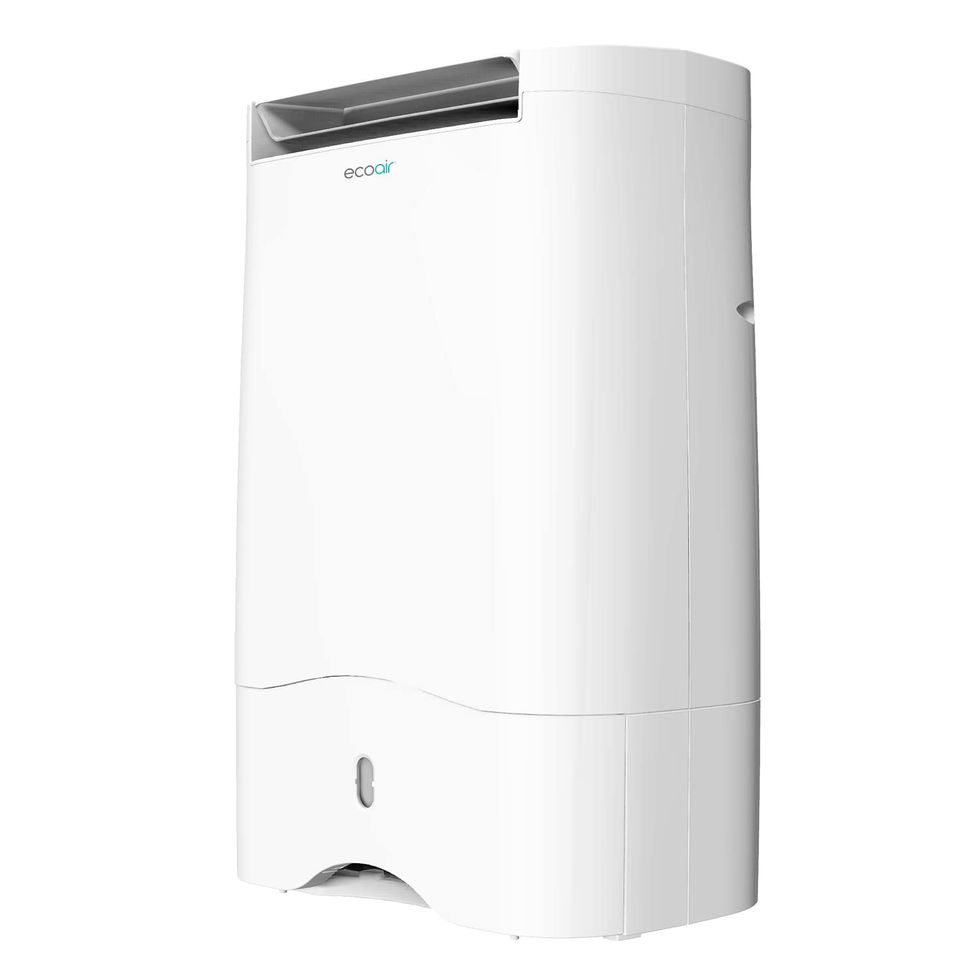
‘Moisture remediation is going to be one of the best ways to keep them out of your home,’ says Brandon. ‘Since they need that high humidity; reducing or removing it will really make it a spot they don’t want to be in. So go ahead and put a dehumidifier in your basement, waterproof that crawlspace, dry out your attic and fix the pipes in your kitchen and bathroom.’
The GHI's best dehumidifiers


Score: 97/100

Score: 92/100
Score: 92/100
Bathroom habits
Bathrooms are one of the biggest sources of silverfish activity, and with good reason. It’s already a warm damp humid area, but its attractiveness is only increased by some of our own common habits. ‘A damp towel on the floor, a bathroom fan that never gets switched on, a window that’s always shut; none of it looks like much on its own – but keep that up for a few weeks and the humidity never really drops, and that’s what lets silverfish move in,’ warns Mark.
Seal your starch
This one came as a surprise to me but it’s entirely logical. Sealing up any pests’ ideal food source is step one of pest prevention – but silverfish have a slightly odder appetite than you might think.
‘Keep dry goods like cereal and flour in sealed containers, since they are drawn by food starch,’ says Mark. But it’s not just human food on the menu. Silverfish can also feast on paper-based items such as cardboard, books, newspapers, photographs and magazines, feeding on starches, cellulose and even the glues used in bindings and adhesives.
Store everything in cool, dry areas, ideally in sealed plastic containers rather than cardboard boxes. Reduce clutter and dispose of old newspapers and cardboard you don’t need, as these can provide both food and hiding places for silverfish.
Silica gel packets
One of my favourite pest-prevention hacks is putting those little silica gel packets that come with new shoes and handbags to good use. The tiny sachets are designed to absorb moisture from the surrounding air, helping to keep enclosed spaces dry – exactly the kind of conditions silverfish dislike.
Pop a few into storage boxes containing books, photographs or other paper items to help make them less inviting to these moisture-loving pests. Just bear in mind that their powers are limited: silica gel packets can help control moisture in small, enclosed spaces, but they won’t reduce the humidity of an entire room or tackle an existing infestation and they will need replacing after a few months.
Close the gaps
Sealing up cracks and gaps around skirting boards, pipes, cupboards, windows and doors can also help keep silverfish at bay, as these little spaces give them somewhere to hide and move around your home unnoticed.
Just don’t rely on this alone, tackling excess moisture by fixing leaks, improving ventilation and using a dehumidifier where needed is still one of the most effective ways to make your home less inviting.
Skip the traps
Lots of the experts I spoke to were dubious about the effectiveness of traps or home remedies when it came to preventing or getting rid of silverfish. ‘They help you monitor more than they help you solve the problem,’ said Mark. ‘A sticky trap or a taped glass jar will tell you how bad the problem is and where they’re active. But traps alone won’t clear an established population, they only catch the individuals that wander into them.’
Ed agrees, saying commonly believed home remedies also don’t really address the problem. ‘Essential oil sprays, baking soda mixtures and bleach down the drain don’t do much. Scent may move them temporarily but never reaches the hidden population, and bleach is pointless because they aren’t coming up the drain anyway.’
Dust
As mentioned before, silverfish are not an indicator of an unclean home, that being said, a little extra dusting can help. ‘Cleaning helps, because dust, cardboard and crumbs are food and cover for silverfish, but seeing one says nothing about your housekeeping,’ says Ed. So if you are worried, just make sure you’re being extra diligent with your weekly clean this August.


