
That’s right, rain is finally on the way. For what seems like the first time in an eternity, weather forecasters are predicting showers across the UK in the coming week. It certainly feels strangely out of character for Brits to be wishing for rain, a phenomenon we’re more than a little accustomed to, but after months of drought and hosepipe bans up and down the country, it’s safe to say we’re ready for more than a drizzle. Or are we?
After one of the hottest and driest summers on record, our homes have certainly felt the effects. From changes to our buildings and gardens to the everyday habits we’ve adopted to cope with the heat, we’ve all become surprisingly accustomed to long spells of hot, dry weather – which means we might not be quite as prepared for the rain as we think.
From prepping your garden so the rainfall actually benefits it to adjusting your household habits to avoid excess moisture, damp and humidity indoors, these are the mistakes to avoid around your home when the rain returns.
Expecting rain to fix the drought

As much as I, too, want to see all of our scorched earth return to its once green and luscious self, a brief spell of rain won’t immediately undo the damage caused by weeks of drought.
When soil becomes very dry and compacted, rain can struggle to soak in properly and may simply run off the surface instead of reaching the roots below. So, while a downpour might make the garden look refreshed, it doesn’t necessarily mean your plants are suddenly getting all the water they need.
Rather than assuming the rain has done the job for you, check the soil a few centimetres below the surface once the shower has passed. If it still feels dry, your garden may need a little more help – although, of course, you should always check whether any local water restrictions are still in place.
Adding a layer of mulch can also help the soil hold on to moisture for longer, making the most of any much-needed rainfall that does arrive.
Drying wet clothes inside
When the rain returns, so too does the dreaded indoor clothes airer. But moving wet washing inside without changing how you dry it can quickly add extra moisture to the air, increasing the risk of condensation, damp and mould.
Try to dry clothes in a well-ventilated room, keep them spaced out rather than packed tightly together and use an extractor fan or dehumidifier if you have one. An extra spin cycle before hanging clothes up can also help remove more water and speed up drying.
Most importantly, avoid draping wet washing over radiators or leaving several loads to dry in a closed room. The quicker you can get that moisture out of the fabric and out of the house, the better.
The GHI's best dehumidifiers


Score: 97/100

Score: 92/100
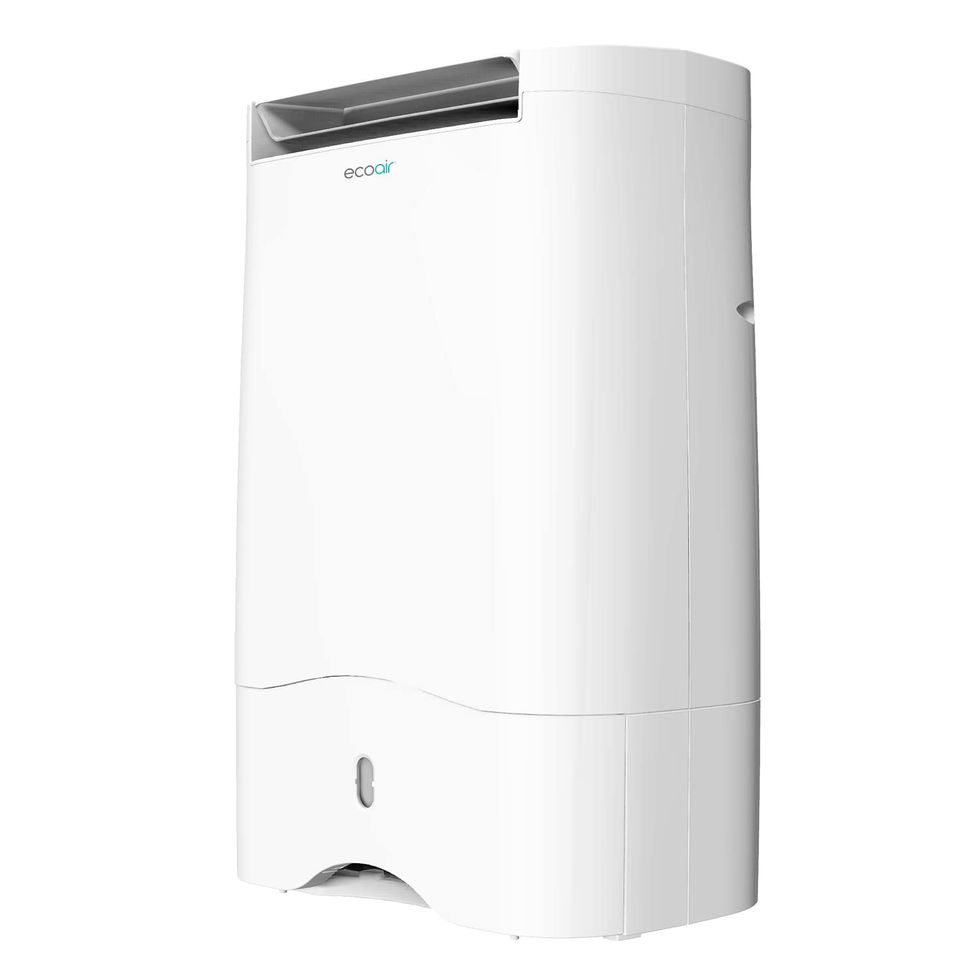
Score: 92/100
Assuming water restrictions are over

A few days of rain might have you reaching for the hosepipe again, but don’t assume the restrictions we’ve become accustomed to this summer have disappeared along with the sunshine.
Despite the wetter forecast, water supplies remain under significant pressure after such a prolonged dry spell. The latest Environment Agency update says reservoir storage across England has fallen to 69%, around 11.6% below the long-term average, while more than 25 million people are currently affected by water-use restrictions.
The Met Office has also stressed just how dry this summer has been, with the lack of rainfall contributing directly to pressure on water resources and the introduction of hosepipe restrictions in parts of England.
So, even if your garden is getting a much-needed soaking, check with your local water company before using a hosepipe, pressure washer or sprinkler. Government advice is clear that restrictions vary by area and your water provider is the best place to check the rules that apply to you.
Closing all the windows
If you’re anything like me, I can’t remember the last time I closed my windows, thanks to the relentless heatwave leaving me desperate for just the hint of a gust of wind. But with rain on the way, many of us may see this an opportunity to finally close up shop – it’s not.
After weeks of trying to keep the heat out, it can be tempting to shut every window as soon as the rain arrives. But keeping your home completely sealed can trap moisture inside, especially when you’re cooking, showering or drying clothes indoors.
You don’t need to leave windows wide open while it’s pouring, but it’s still important to keep air moving. Use extractor fans, keep trickle vents open if you have them and air rooms whenever the weather allows.
A little ventilation goes a long way in helping prevent condensation from settling on windows and walls, which can eventually lead to damp and mould.
Storing wet items

Brollies and raincoats may start being worked back into rotation soon and a common mistake I always see friends and family making is not thinking twice about how you store these items. Rainy weather inevitably means wetter shoes, coats, umbrellas and bags coming back into the house, but try not to shove them straight into cupboards, baskets or enclosed storage while they’re still damp.
Moisture trapped in dark, poorly ventilated spaces can quickly lead to musty smells, mildew and, in some cases, mould. Instead, give wet items time to dry properly first – hang coats somewhere with good airflow, leave umbrellas open to dry and avoid piling damp shoes together in a closed cabinet.
It’s a small habit change, but one that can make a big difference, especially when you remember this rainy period is set to end in September. With yet another heatwave on the horizon, high temperatures will only make processes (and smells) such as this worse.
Not checking the gutters and drains
After weeks of dry weather, checking your gutters and drains probably hasn’t been high on the to-do list. But the first heavy spell of rain can quickly reveal any blockages that have been quietly building up over summer.
Dust, moss, leaves and other debris can stop water flowing away properly, causing gutters to overflow or water to collect around the outside of your home. In turn, that can increase the risk of damp, leaks, water damage and even pests like rats. Yikes!
Before the rain gets too heavy, check any drains and gullies you can safely access from ground level and clear away obvious debris. It’s also worth keeping an eye on your gutters during a downpour – if water is spilling over the sides or running down the exterior wall, it could be a sign they need clearing.
Forgetting the furniture

After weeks of hot, dry weather, your garden furniture has probably spent more time uncovered than usual and no doubt more in use than ever before. But with the return of rain, it may need a little more tender love and care than you realise.
Avoid leaving cushions, parasols and other soft furnishings outside to repeatedly get soaked, as trapped moisture can lead to mildew, mould and unpleasant smells. If they do get caught in a shower, let them dry completely before storing them away.
Wooden furniture is also worth checking after a long spell of heat, as prolonged sun can leave it dry and weathered. Once the rain passes, give it time to dry properly before applying any oils, stains or protective treatments, otherwise you risk trapping moisture underneath. Whichever way the weather turns, make sure to do this before storing anything away for the autumn.


