
For me, September is the best time to clean. Things have finally cooled down, and we have the energy to clear the dust and cobwebs that have collected over the hot summer months. We’ve made excuses up until now, but with the September reset attitude in mind, we can make a fresh start and get our homes ready for the autumnal shift.
But where to start? September means rain is likely and so windows will close. As a result, condensation and mould are everywhere, not to mention limescale in the bathroom. To help minimise these issues, we’ve rounded up the spots you need to clean now to get ahead of the game and prevent more elbow grease later. Here’s where you should start.
Musty washing machine seal
When I ask: where would you find mould in your home? Odds are, your mind jumps straight to the washing machine seal. This rubber seal is left damp, receded and with limited ventilation, especially if you close the door between cycles. Add the residual soap scum that’s left behind and you have the perfect concoction for mould.
Mould in the rubber seal is a little tricky to reach but not impossible to remove. And we do recommend you remove it, otherwise that same musty smell will transfer to future loads. We suggest diluting a little bleach to remove it thoroughly from the washing machine seal. While wearing a mask and gloves, apply a solution of one-part bleach to four-parts cold water to the mould with a microfibre cloth, then scrub until it comes away. Following this, rinse with a damp cloth and run an extra cycle to remove any traces before using the machine again. Alternatively, there are washing machine mould stain removers widely available.
Don’t use vinegar to clean the washing machine seal; it will degrade the rubber. Check out how to clean a washing machine if the whole appliance needs a refresh.
Washing machine cleaning kit


Slimy bathtub overflow hole
The overflow hole does exactly what it says on the tin – collects and drains the water when your bathtub overflows. It’s mainly needed when we’re climbing in for a nice relaxing soak, but any splash or sudden movement in the tub creates that familiar glugging noise.
Your overflow hole will quickly fill with grime, limescale and bacteria, so it’s one of the spaces we recommend you clean in September, and then every couple of months thereafter. First, you need to unscrew and remove the cover, then dislodge any potential blockages using a small pipe cleaning brush. Once you’ve done that, tip one cup of bicarb down the pipe, followed by one cup of distilled white vinegar. After it stops fizzing, you can flush it through with hot water and you’re done. Remember to refit the cover!
Orange shower hose
We often take the time to clean our showers, but the metal hose goes ignored because it’s too awkward. Over time, the u-bend where it curves near the floor looks orange with limescale and bacteria.
You can quickly clean a metal shower hose by soaking it in a solution of 1-part vinegar to 1-part water for a few hours (make sure the hose is filled with the solution as well as exposed from the outside). Then scrub clean with a nylon brush or an old toothbrush to get between the links. Flush with water before refitting.

North-facing kitchen cupboards
If your kitchen cupboards are positioned on an exterior wall and facing north, they will remain cold and damp for longer – that becomes a problem once condensation settles from all the steam in your kitchen. There’s little sun and heat to dry any moisture from within the cupboards, and as they remain closed, there’s reduced ventilation, too, so bacterial growth and mould are highly likely.
It’s worth inspecting the backs of your kitchen cupboards for signs of mould before the cold and wet weather really sets in. If you spot any, you can remove it using a proprietary mould cleaner or an equal mix of vinegar and water. If you opt to use vinegar, let it sit for an hour before scrubbing away with a damp cloth. Then rinse and dry.
Leaving a small disposable dehumidifier in here can help to control moisture but remember to replace it as needed.
Mouldy window frames
Now that our windows are closed, mould is a common sight on the frame, sill and seals. Take the time to remove any initial mould spots from white wood with a solution of diluted bleach (one-part bleach to four-parts cold water). Apply with a microfibre cloth or a toothbrush for small, awkward spots. Just be careful where the wood is delicate or flaking away.
Diluted bleach works well on white wood and aluminium frames, but switch to distilled while vinegar for natural wood or PVC. Use equal parts of vinegar and water for the same effect.
Never mix bleach and vinegar together, it creates a lethal chlorine gas.
Leave the solution to sit to effectively kill the mould (bleach for 10 minutes or vinegar for up to an hour) then wipe clean with a damp microfibre cloth and dab dry with a towel. Open the window and leave to thoroughly dry afterwards.
If you need tips for cleaning the glass, check out how to get your windows sparkling.

Dusty radiators
Our radiators will have gathered dust over the summer months, leaving them caked in it. It’s worth removing this before you heat your home, else it will hamper the radiator’s efficiency and make it work harder, leading to expensive bills.
You can quickly remove the dust with a handy radiator brush. These are designed with the fins of your radiator in mind and can easily fit through the slats from above. Start by lining the floor beneath your radiator with a towel (ready to catch whatever comes out), then while it’s switched off, run the brush between each grate, gradually working your way along the top. You can use the same brush to reach down the back of the radiator as well, while a damp microfibre cloth can be used to polish the front, with a few drops of washing up liquid if needed.
Sometimes, the vacuum crevice tool or soft brush attachment can come in handy for reaching trapped dust within the radiator, too.
Algae-filled water butt
This one’s outside rather than in, but it’s still worth your attention. Sunlight and standing water equals algae growth in the water butt and, unless cleaned, it will begin to smell musty as well as negatively impact the growth of any seedlings it waters. You can’t just scrub it out with bleach, though – that will contaminate the water and damage any plant life it’s exposed to.
Instead, tip out the contents and rinse the butt out with a hose (don’t use too high a pressure, or it will splash back). If there’s residue on the walls, use a mild, eco-friendly washing-up liquid and a nylon brush to scrub it clean, but give it an extra rinse afterwards to make sure there’s no traces left behind. Going ahead, make sure the lid is fitted, the gutters are unblocked and you apply a water treatment solution to prevent further algae growth.
The GHI’s Best Cleaning Products 2026

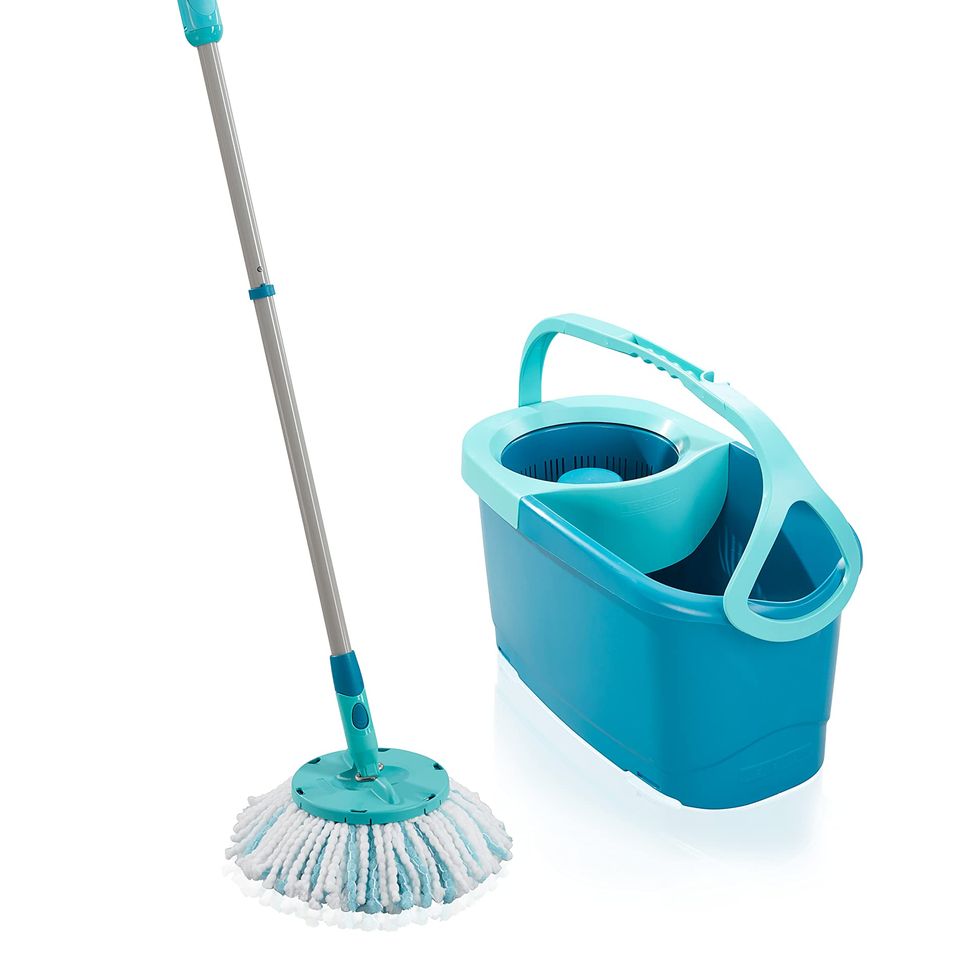
Score: 95/100
No one likes having to deal with a dripping mop, but Leifheit’s spin technology means you can say goodbye to puddles. You simply push the mop into the sturdy basket, press the handle and it will make light work of anything from spillages to nasty stains. The microfibre swivel head can get into every nook and cranny and the bucket also has wheels for speedy cleaning from room-to-room.

Score: 89/100
Claiming to be tough and long-lasting, our team found these double-sided sponges effective at removing grease and expert at cleaning items such as glasses and cutlery that typically trap food or grease in their grooves. The sponges are also easy to clean in the washing machine or dishwasher (in the top drawer), keeping them bacteria-free.

Score: 87/100
This all-in-one washing machine sprucer is designed to eliminate odours, remove detergent and grime from the drum, and leave the machine’s surface sparkling. Our panel found it delivered on its promise.

Score: 91/100
Our best oven cleaner scored full marks for its performance in the lab. Burnt-on food melted away from the racks with ease after soaking, needing just a quick rinse to get rid of all the residue. It was a similar story on the base of the oven, which was left shiny and spotless with minimal scrubbing required – something other oven cleaners often struggle with.


