
The heavens have opened and we’re facing showers across the country. That can only mean one thing – time to open the clothes airer and move our wet laundry from outside to in.
Clothes dry just as well indoors, but it takes longer, contributes to damp and mould, and can become an obstacle if space is limited, so what’s the answer? Turns out, there’s a washing machine setting you can use to speed up the drying process, whether you use a tumble dryer or hang things up afterwards. Here’s how you should be programming your washing machine…
Why do clothes take longer to dry indoors?
Hanging your wet laundry to dry outside is faster because you have the ultimate ventilation and agitation by way of the wind. It’s a bit like your clothes are constantly being shaken out and rotated on a smaller scale. Direct sunlight provides heated drying, too, helping moisture to evaporate (as well as bleaching via the UV rays for your whites).
Whereas inside, the air is stagnant, as are the clothes on the line, and the general humidity of the room is high (increasing as clothes dry), slowing the process. Where clothes are slow to dry (especially in cold rooms), bacteria have more of a chance to develop, which is why indoor-dried laundry is often musty.

What wash setting can help clothes dry faster?
The washing machine setting you need to take a moment to adjust is the spin setting. This tells you how many revolutions per minute (or rpm) the machine will spin at the end of cycle. It works by pressing water out of the laundry via a centrifugal force. This is why items are pressed against the wall of the drum when the time comes to unload and it's why they’re not sopping wet and dripping as you hang them up.
Depending on the cycle you’re choosing, it will have a spin cycle preselected – generally 1200-1400rpm for cottons and around 1000rpm for synthetics, but you can sometimes up this setting for a faster drying process (some machines go as high as 1600rpm) – it’s that simple.
But a word of warning: the spin cycle shouldn’t be high where you’re washing delicate items or bulky bedding, like duvets and pillows (a low spin is recommended in both cases). The sheer force of a high spin cycle can damage delicate fabrics, such as wool and silk, and ruin the filling in your bedding. It also encourages the machine to start shaking and lose balance where it’s washing something heavy, like a wet duvet. Avoid this hack in these cases.
Steer clear of upping it for synthetics, too, as these materials are more liable to stretch. Your washing machine might not let you set it higher than the preselected spin to prevent damage. Cottons are generally the most durable and can take a higher spin.
One more thing to keep in mind: a higher spin naturally means more creases. It can’t be helped with your laundry being crushed against the drum walls. This isn’t a problem if it’s going in the tumble dryer – the tumbling motion will tease out the creases. But avoid upping the spin cycle if you’re hanging items which crease easily. You will need to iron them afterwards, which ruins the point of saving time!

Is there anything else you can do?
Open up windows – If you can’t dry clothes outside, open up the windows and doors to increase the ventilation as much as possible.
Hang your clothes correctly – Do not overlap or bunch up! The moisture will be trapped in the material and can’t evaporate so easily, leading to musty clothes. Spread items out and hang over multiple lines if possible.
Invest in a heated clothes airer – This is like a middle man between a clothes airer and a dryer. You hang the clothes as you would on a traditional airer, but the bars heat up to speed up the process. These are the best heated clothes airers the GHI has tested.
Shake out wet laundry – Worried about creases from the higher spin? Shaking out your laundry before you hang it to dry can help to release them.
Move it away from the walls – To help your wet laundry breathe and to increase ventilation, you’re better off pulling it away from the walls – even 10cm or so will make a difference. This will also make dampness on your walls less likely.
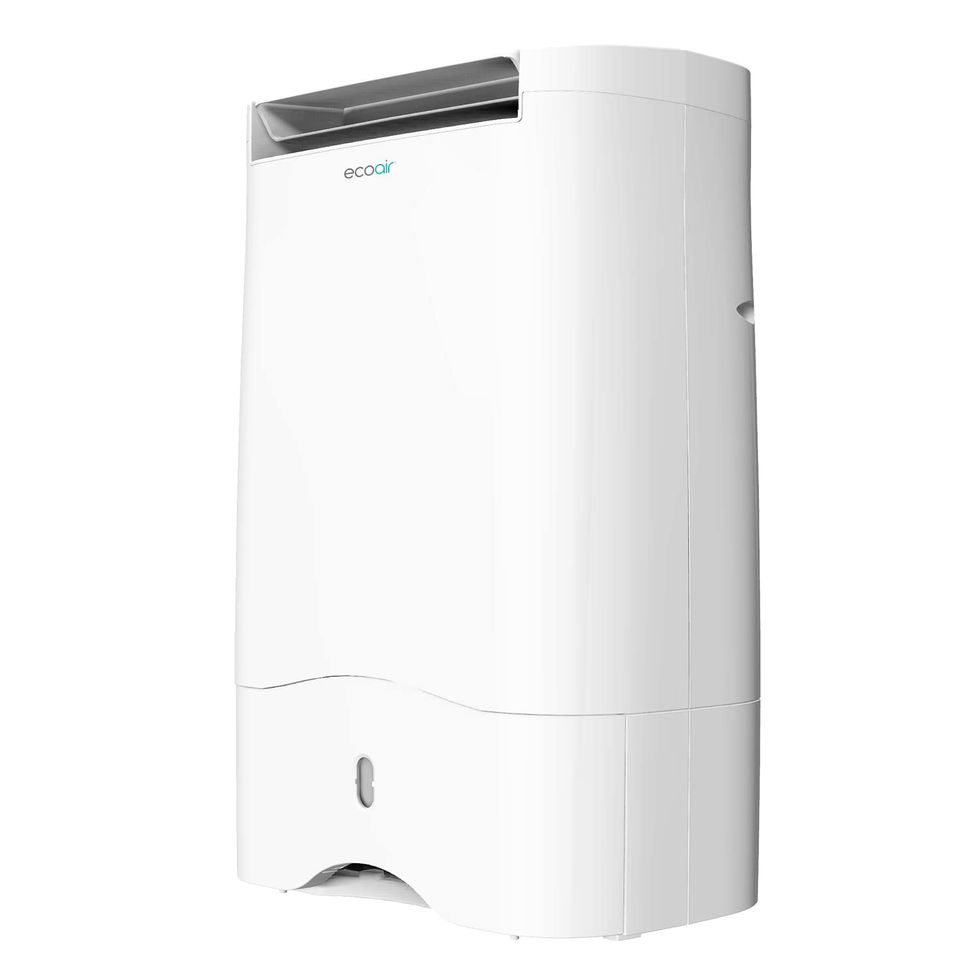
Take advantage of a dehumidifier – Lower the general humidity of the room and help clothes dry faster by running a dehumidifier alongside. Some even come with specific settings to help laundry dry faster.
The GHI's best dehumidifiers


Score: 97/100

Score: 92/100
Score: 92/100


