10 Healthier, Low-Sugar Candy Swaps to Satisfy Your Sweet Tooth
Our registered dietitians and taste testers found the low-sugar treats worth trying.

We've been independently researching and testing products for over 120 years. If you buy through our links, we may earn a commission. Learn more about our review process.
Life’s too short to never eat candy. As a dietitian, I’m a firm believer that enjoying a sweet treat now and then can be part of a balanced approach to eating. That said, some candies pack significantly more added sugar than others, so it’s worth being mindful of how often you’re reaching for them and what else is on your plate.
While candy isn’t exactly a nutritional powerhouse, you can still look for options with less added sugar or ingredients that offer a little something extra. As Lauren Harris-Pincus, M.S., R.D.N., founder of NutritionStarringYou.com and author of The Everything Easy Pre-Diabetes Cookbook, notes, even "healthier" candy is still candy—but it can fit into an overall nutrient-rich diet in moderation.
Our top picks:
- Best candy bars: Harken Sweets
- Best fruit gummies: Solely
- Best chocolates: UNREAL
- Best low-sugar gummies: SmartSweets
To find the best lower-sugar options, registered dietitians in the Good Housekeeping Institute Nutrition Lab, alongside a panel of taste testers, evaluated dozens of candies for nutrition and flavor. These are the treats we'd recommend.
 Best Deal


These mini bars get their sweetness from dates rather than sugars like high-fructose corn syrup, making them a notable swap for traditional candy. Each bar is also made with plant-based, non-GMO, and fair-trade ingredients and contains prebiotics for an added nutritional perk.
They are rich in fiber compared to other options on the shelf, with the mini bars offering anywhere from 4 to 7 grams each. And most importantly, they taste delicious and have a great chewy texture. Good Housekeeping Deputy Food Editor Trish Clasen Marsanisco can’t get enough of the chocolatey treats, saying that the salted date caramel variety is her favorite. “I like them even better than the chocolate caramel bars I’ve eaten my whole life. The date caramel layer is rich, decadent, and just the right amount of gooey. And though they’re made without added sugar, each bite delivers the sweetness you’d expect (and love!) in a traditional candy bar,” she says.
| Nutrition facts (per one Nutty bar) | 70 calories, 3.5 g total fat, 50 mg sodium, 10 g carbs, 6 g fiber, 3 g total sugars, 0 g added sugars, 1 g protein |

Solely has won several of our Good Housekeeping Snack Awards in recent years, and for good reason. These chewy fruit gummies are made with just fruit and vitamin C, with no added sugar or artificial colors. Each pouch also counts as a serving of fruit.
Our testers loved the candy-like texture and sweet, authentic fruity flavor. “Loved how chewy they were,” one tester said, while another noted that the mango flavor tasted great. They’re vegan, organic, and come in perfect pouches for on the go.
| Nutrition facts (per pouch) | 60 calories, 0 g total fat, 0 mg sodium, 13 g carbs, 1 g fiber, 6 g total sugars, 0 g added sugars, 0 g protein |

For candy lovers who don’t want their treat to taste like a compromise, UNREAL offers familiar chocolate candies made with ingredients our nutrition pros appreciate. This variety pack includes dark chocolate coconut bars, peanut and almond butter cups, dark chocolate quinoa gems (our personal favorite), and more, but the brand also makes other popular picks like their new peanut butter chocolate drops.
We especially love that the candies use Fair Trade chocolate and contain no sugar alcohols. They're also Non-GMO Project Verified and free from artificial dyes. “They taste like the real deal, and I find that one serving really satisfies my sweet tooth,” one tester said. “You can tell they’re made with really high-quality ingredients. The coconut bars taste just like an Almond Joy!”
| Nutrition facts (per dark chocolate coconut bar) | 70 calories, 5 g total fat, 4.5 g sat fat, 0 mg cholesterol, 0 mg sodium, 8 g carbs, 1 g fiber, 3 g total sugars, 3 g added sugars, <1g protein |

SmartSweets puts a lower-sugar spin on nostalgic favorites, including Sweet Fish, Peach Rings, Sourmelon Bites, and Sour Blast Buddies. The candies contain no added sugar, sugar alcohols, or artificial sweeteners, and their bright colors come from fruit and vegetable juices rather than artificial dyes.
Even our testers who don’t typically enjoy sugar-free candy were impressed. One said they didn’t taste any “fakeness” or weird aftertaste. Just keep portions in mind: These candies are high in fiber, so our dietitians recommend no more than one bag a day, and drink plenty of water with the snack to support digestion.
| Nutrition facts (per pouch, Sweet Fish) | 100 calories, 0 g total fat, 0 g sat fat, 0 mg cholesterol, 70 mg sodium, 42 g carb, 13 g fiber, 3 g sugar, 0 g added sugar, 0 g protein |
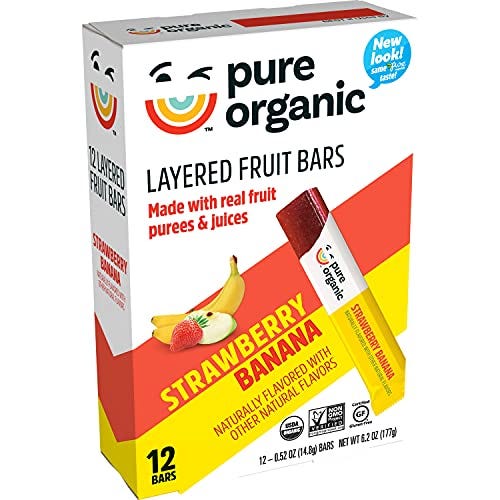
If you like fruit leather but find some varieties flimsy or prone to falling apart, these bars have a satisfying bite. They're substantial enough to feel like a real snack, with a firm, chewy texture that's next-level good. They're made with real fruit purees and juices, with no artificial dyes, and are USDA Organic and Non-GMO Project Verified.
Both our nutrition pros and testers loved the flavor, and each bar contains just 4 grams of added sugar. One tester even packed them on a weekend hike for a quick source of energy.
| Nutrition facts (per one bar) | 50 calories, 0 g total fat, 0 g sat fat, 0 mg cholesterol, 0 mg sodium, 12 g carbs, <1 g fiber, 10 g total sugars, 4 g added sugars, 0 g protein |

If chocolate and peanut butter are your ideal candy combination, these wafers deliver that familiar pairing with a satisfying crunch. The brand is a staff favorite, and our testers especially liked the chocolate-to-peanut-butter balance; one called it the “perfect amount of peanut butter.”
Each bar has just 3 grams of added sugar, plus a little protein and fiber, and the simple ingredient list is stevia-free. We’re also fans of their peanut butter cups and chocolate-covered nuts.
| Nutrition facts (per one piece) | 70 calories, 4.5 g total fat, 2.5 g sat fat, 0 mg cholesterol, 40 mg sodium, 7 g carb, 1 g fiber, 3 g total sugars, 3 g added sugars, 2 g protein |

This soft, chewy taffy from Numa has nearly half the sugar and more protein than traditional taffy, plus several vitamins and minerals. You'll find fun flavors like Original Creme, Creamy Coconut, Caffeinated Coffee, and Strawberries and Cream.
This creamy-tasting candy is dairy-free and was a hit with taffy fans. Testers loved how flavorful it was, and our dietitians note that a two-piece serving is an excellent source of iron and calcium.
| Nutrition facts (per two pieces, banana creme) | 110 calories, 4 g total fat, 4 g sat fat, 0 mg cholesterol, 5 mg sodium, 18 g carb, 0 g fiber, 8 g total sugars, 7 g added sugars, 2 g protein |

Think of these fun BEAR snacks as a more natural take on the classic fruit roll-up. Each individually wrapped pouch is made with just four ingredients: apples, pears, strawberries, and black carrot juice, which gives the rolls their natural deep color. They contain no added sugar, making them an easy option to toss into a lunchbox or desk drawer.
Parent taste testers were big fans, saying their kids devoured the rolls and that they felt good about keeping them stocked at home. And there's a fun bonus for kids: Every pack comes with a cute collectible bear card.
| Nutrition facts (per 1 roll) | 50 calories, 0 g total fat, 0 g sat fat, 0 mg cholesterol, 0 mg sodium, 15 g carb, 2 g fiber, 10 g total sugars, 0 g added sugars, 0 g protein |

If you like your candy with a serious sour kick, JOYRIDE delivers. The variety pack includes sour watermelon wedges, raspberry strips, and gummy ropes, with just 4 to 5 grams of sugar and 60 to 80 calories per bag.
They're made without sugar alcohols or inulin and pack a significant amount of fiber into each bag. But because of the high fiber content, our dietitians recommend sticking to one bag a day. One tester said, "Great consistency and flavor. I like that they're so low in sugar and calories too."
| Nutrition facts (per bag of sour gummy worms) | 60 calories, 0 total fat, 90 mg sodium, 37 g carbs, 18 g fiber, 3 g total sugar, 3 g added sugar, 0 g protein |

Individually wrapped and made with just four to six simple ingredients, Hu Bites come in three delicious flavors: Hazelnut Butter, Cashew Butter + Pure Vanilla Bean, and Creamy Coconut. Our dietitians appreciate the all-organic ingredient list and the use of unrefined coconut sugar for sweetness instead of high-fructose corn syrup or artificial sweeteners.
Taste testers found the bite-sized treats just right for satisfying a sweet craving, especially loving the contrast between the rich, crisp chocolate shell and the smooth, creamy filling. As one tester put it, “It’s just the right size, and since they come wrapped, they’re also perfect for putting in gift baskets.”
| Nutrition facts (per 1 piece) | 80 calories, 6 g total fat, 5 mg sodium, 5 g carbs, 1 g fiber, 3 g total sugars, 3 g added sugars, 1 g protein |
How we test healthy candy

Our registered dietitians in the Good Housekeeping Institute Nutrition Lab evaluated a range of gummies, chocolates, caramels, fruit snacks and other sweet treats by reviewing each product's Nutrition Facts panel and ingredient list. They considered factors including added sugar, serving size and the use of artificial dyes and flavors to identify products that offered a stronger nutritional profile.
But nutrition is only part of the equation. We also taste-tested our selections with GH+ consumer testers, who evaluated each candy for flavor, texture, sweetness, and overall enjoyment. Their feedback, combined with our registered dietitians' nutritional assessments, helped us identify candy swaps that offer a better nutritional balance without sacrificing the taste and satisfaction you want from a sweet treat.
What to look for in a healthier candy option

Candy is by no means a health food, and it doesn’t need to be. But some grocery store options offer a little more nutrition than others. Here’s what to keep in mind when you’re comparing options:
✔️ Keep an eye on added sugar: When comparing similar candies, look for options with less added sugar per serving. Added sugar is one of the easiest ways to compare similar products, but remember that a candy with less sugar isn’t automatically more nutritious. Check the rest of the Nutrition Facts panel to get the full picture.
✔️ Pay attention to sweeteners: Some lower-sugar candies use sugar alcohols, such as erythritol, or alternative sweeteners like stevia to replace some or all of the added sugar. These ingredients can help reduce sugar, but some can cause digestive issues like gas, bloating, or diarrhea, especially when consumed in larger amounts.
✔️ Check the serving size: Don't let a small number on the Nutrition Facts panel fool you. Check how many pieces make up a serving and think about how that compares with the amount you’d actually eat. Serving sizes can vary widely from one candy to another, so comparing similar amounts can give you a more helpful picture.
✔️ Read the ingredient list: The ingredient list can tell you a lot about what’s in your candy, including how it gets its flavor and color. If you prefer to avoid artificial dyes or flavors, look for products made without them. Keep in mind, though, that terms like “natural” and “organic” don't automatically make a candy more nutritious.
Is there really such a thing as "healthy" candy?

Not really. Candy is still a treat, even when it contains less sugar or includes ingredients like fiber or protein. The term “healthier” is more useful here: Some candies have a more favorable nutritional profile than others, whether that’s because they contain less added sugar, more fiber, or other nutritional benefits.
As Harris-Pincus puts it, “The key is not to view ‘healthier’ candy as a reason to consume larger portion sizes or to crowd out other nutritious snacks.” That last point matters: If a candy swap becomes a regular stand-in for foods that provide protein, fiber, healthy fats, vitamins, or minerals, you may miss nutrients your body needs. A lower-sugar candy can still have a place in your diet, but it’s best considered alongside (rather than instead of) more nutrient-dense foods like fruit, yogurt, nuts, or whole grains.
Are sugar-free and low-sugar candies healthier?

Sugar-free and low-sugar candies can be a useful option if you’re trying to cut back on added sugar. Sugar-free candy may also be a better choice for your teeth than traditional candy, since certain sugar substitutes don’t contribute to tooth decay the way regular sugar does. Some sugar alcohols and other sweeteners also provide sweetness with fewer calories than sugar, although the amount varies by sweetener.
There are some trade-offs to consider, though. Alternative sweeteners can affect a candy’s taste and texture: Stevia, for example, is hundreds of times sweeter than sugar, so only a very small amount is needed to provide sweetness, and some people notice a distinct aftertaste. Other products may still be relatively high in calories or saturated fat, and “sugar-free” doesn’t mean calorie-free or automatically more nutritious. Compare serving size, ingredients, and overall nutrition across similar products to decide whether a particular candy is a better fit for you.
Are sugar alcohols bad for you?

Sugar alcohols are sweeteners commonly used in sugar-free and lower-sugar foods. They provide sweetness with fewer calories than sugar, and some affect blood glucose less than regular sugar. Common examples include erythritol, sorbitol, maltitol, and xylitol.
The main consideration is how your body responds. Some people can experience gas, bloating, or diarrhea after consuming larger amounts. If you notice digestive discomfort after eating candy containing sugar alcohols, consider choosing an option without them or eating a smaller portion.
Why trust Good Housekeeping?

Stefani Sassos, M.S., R.D.N., C.D.N., NASM-CPT, is a registered dietitian with extensive expertise in food labeling and nutrition. As the director of the Good Housekeeping Institute Nutrition Lab, she evaluates food products and nutrition claims. She is passionate about helping readers find delicious products that fit into a balanced diet.
Readers Also Read

Why Experts Say Mice Are Everywhere This Fall

The “Pencil Trick” I Use to Get Rid of Mice

Feeling Burned Out? These Hobbies Can Help

The Ultimate Mediterranean Diet Grocery List


