Between work, family life, and social events, there are some weeknights where you just don’t have time to cook a healthy meal. That’s why we’ve put together this guide on how to meal prep for the week so you always have nutritious breakfasts, lunches, dinners, and snacks on hand.
The beauty of meal prepping is that it’s easy to adapt to different dietary needs and preferences. If you’re focused on hitting a certain daily protein intake, high-protein lunches like tuna salad wraps or steak-topped noodle bowls can easily be prepped ahead of time to keep you on track throughout the week. If you’re looking to lose weight, cooking a batch of your favorite filling and low-calorie dish ahead of time is one strategy that can help you meet your health goals.
If the idea of spending hours in the kitchen making multiple meals for the week doesn’t sound ideal, consider prepping some versatile ingredients instead of entire meals. Take an hour and cook a batch of quinoa or rice, chop up some veggies, and roast a few chicken thighs in the oven. Tons of meals come together quickly with those basic ingredients.
Ahead, we’ll explain more about meal prepping and share ideas for make-ahead dishes to make the week a little easier.
What is meal prepping?
Meal prep is the practice of preparing key elements of a dish like grains, roasted veggies or cooked protein, or even the entire recipe, before you plan to eat it. This smart meal planning method gives you a head start on the week, often leading to faster, healthier, stress-free eating.
What are the benefits of meal prepping?
Meal prepping can save you time on busy weeknights by making food available to heat and eat right when you get home. It can also save you money: Meal planning helps ensure that you don't buy things at the grocery store you don't need, and pre-prepped food is more likely to get eaten so it reduces food waste. It's also easier to eat healthy meals since the menu gets set in advance. You're less likely to choose a not-so-great option when you already have a healthy dinner at home, ready to go.
Is there any downside to meal prepping?
Since meal prepping can involve eating the same dish or types of food a few days in a row, it's not for people who prize variety and freshness above all else. Getting kids on board with eating "leftovers" can also pose a challenge, especially if you're making accommodations for different dietary restrictions or palates. To avoid monotony, use different spices, dressings or condiments in your dishes or freeze some of your prepped food to feature in meals for a future week.
Or skip pre-made meals and focus on prepping your ingredients instead: Washed celery and carrots can be diced for a tomato sauce or sliced for snacking, cooked quinoa can be paired with any protein or turned into a grain salad and roast chicken can be shredded and stirred into different meals all week (soups, wraps, tostadas, etc.) to name just a few ways your prepped ingredients can be transformed.
How do I prep my meals for the week?
There are a few different ways to meal prep, but all the food preparation methods involve organizing the food in your fridge in a way that makes for easy breakfasts, lunches and dinners — whether that's just chopping or slicing foods or actually cooking it. There's no one way to do it, but three common techniques include:
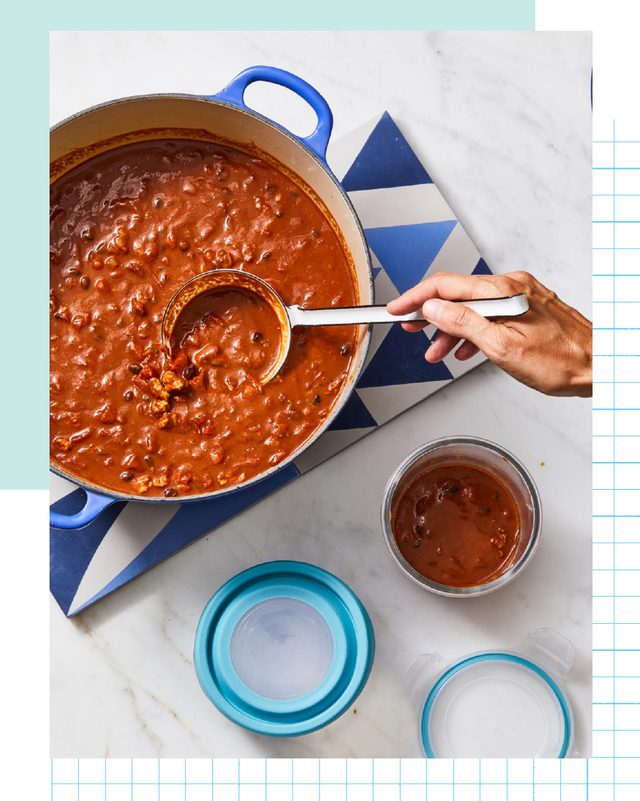
Batch Cooking
Make big recipes at once (like on the weekends) to freeze or save for use later on.

Individually Portioned Meals
Divvy up portions into containers ahead of time so you can grab and go.

Prepped Ingredients
Do a bunch of chopping, peeling, slicing or roasting beforehand and use those components in recipes later on.
Okay! I am ready — how do I start meal prepping?
Stock up on reusable, airtight food storage containers that will help your prepared ingredients or meals stay fresh by locking bacteria and odors out.
Once you have your meal-prepping gear, you may want to download a grocery list app that will help keep your plan organized and make shopping and cooking a snap by curating recipes and grocery lists for you. Don't fret if you're not into the tech-based solution: A pen and paper also work for planning out your week.
All set? The next step is picking your recipes. Before you do, consider these five things:
- Choose just one mealtime you'd like to prepare for — Either quick breakfasts, healthy lunches or dinners. Keep it simple by starting with one you usually eat out or skip altogether.
- Pick a day to do your meal prepping. Sunday and Wednesday are two common choices.
- Determine how much you want to prep. Experiment with prepping for two or three days before attempting five. You may not like eating the same or similar things the whole week.
- Invest in a cookbook. Beginners and pros alike can learn a lot from the best cookbooks. In addition to discovering new recipes, cookbooks can also introduce you to new techniques that can save you time.
- Pick a meal prep planner. You can use an app, physical notebook, or whatever system works for you to plan out meals for the week.
If you're looking to ramp up your nutrient intake, make veggies or fruit at least 50% of whatever you’re prepping. They don't necessarily have to come from the actual produce section: Frozen or canned varieties will last almost forever and work in nearly every meal.
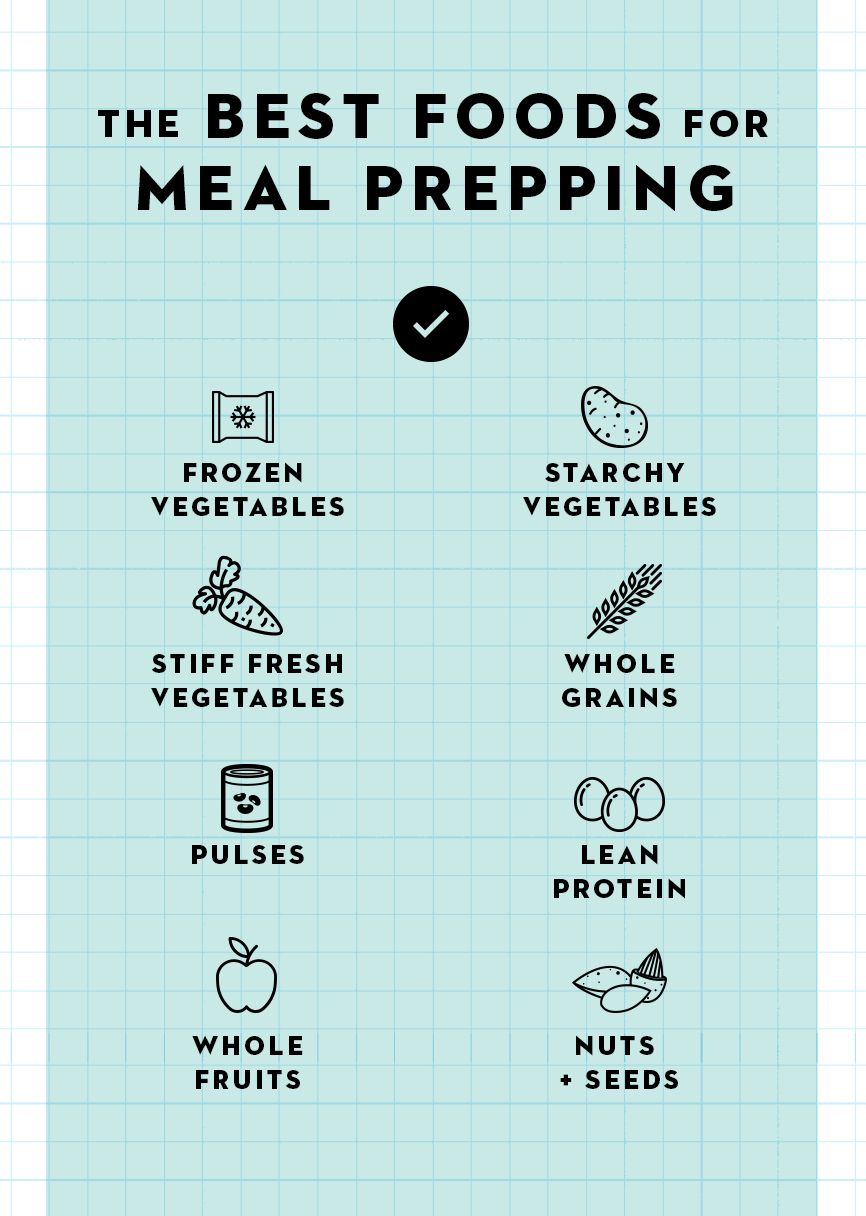
The best foods for meal prepping:
Save this list for your next grocery shopping trip:
Need help with recipe inspiration? We've got you covered:
Best meal prep recipes for breakfast:
Breakfast is the most important meal of the day, so it's a good one to pick when you're choosing which meals to prep. You want to make sure your meal is light, but also has good carbs, fiber and protein.
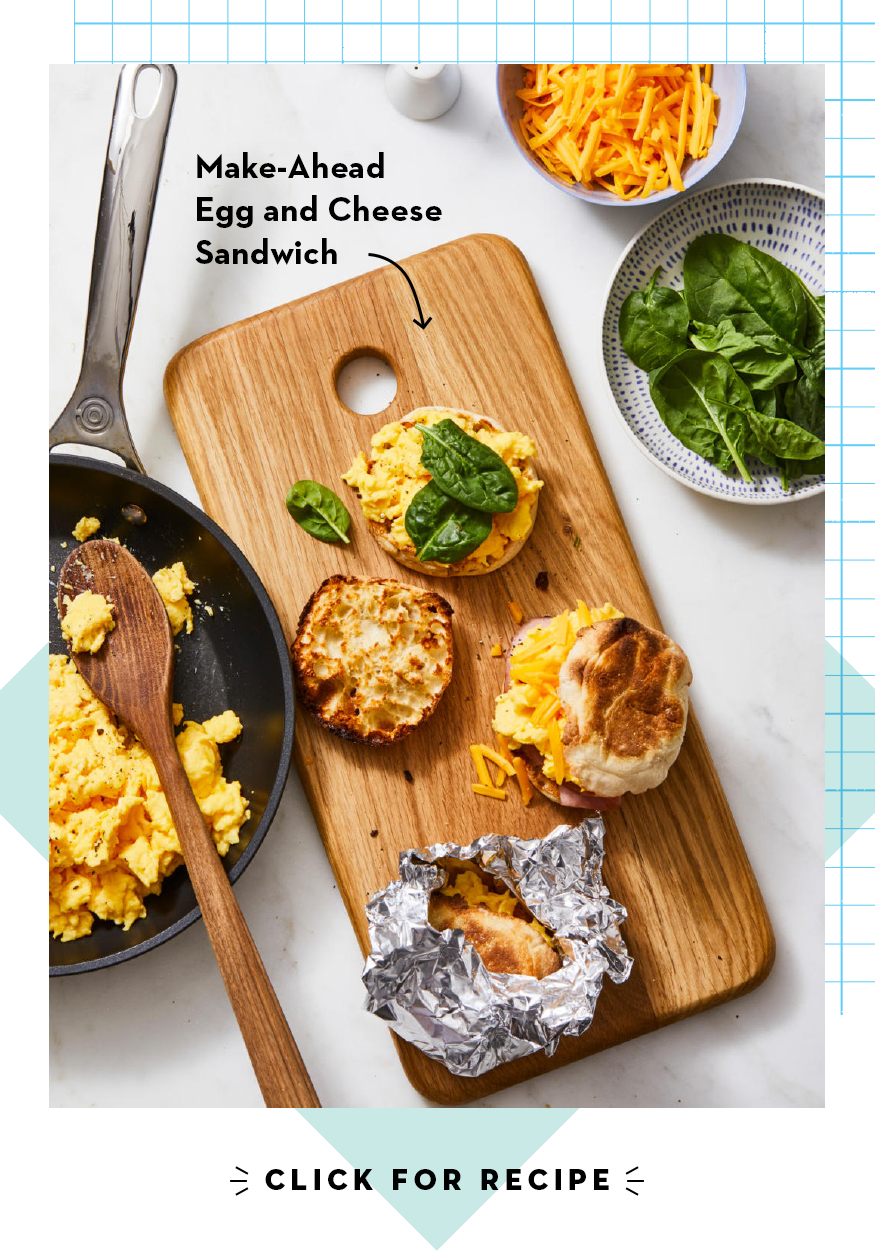
Best meal prep recipes for lunch:
Salads and soups are anything but boring when you take the time to customize them to your liking. Regardless of what you pick, focus on lean protein, healthy carbs and veggies.


Mason Jar Instant Noodle Soup
When lunchtime rolls around, pour boiling water on top of this veggie-noodle soup and give everything a stir before slurping.

Vegetarian Antipasto Salad
Marinate everything except the greens and parsley and toss it all together once your hunger strikes.

Veggie Wraps with Goat Cheese
These high-fiber wraps bring together roasted veggies, chickpeas, and creamy goat cheese.
Best meal prep recipes for dinner:
Add lots of color to your plate by loading up on all sorts of vegetables, including broccoli, peppers and tomatoes, but go lighter on the carbs and grains.
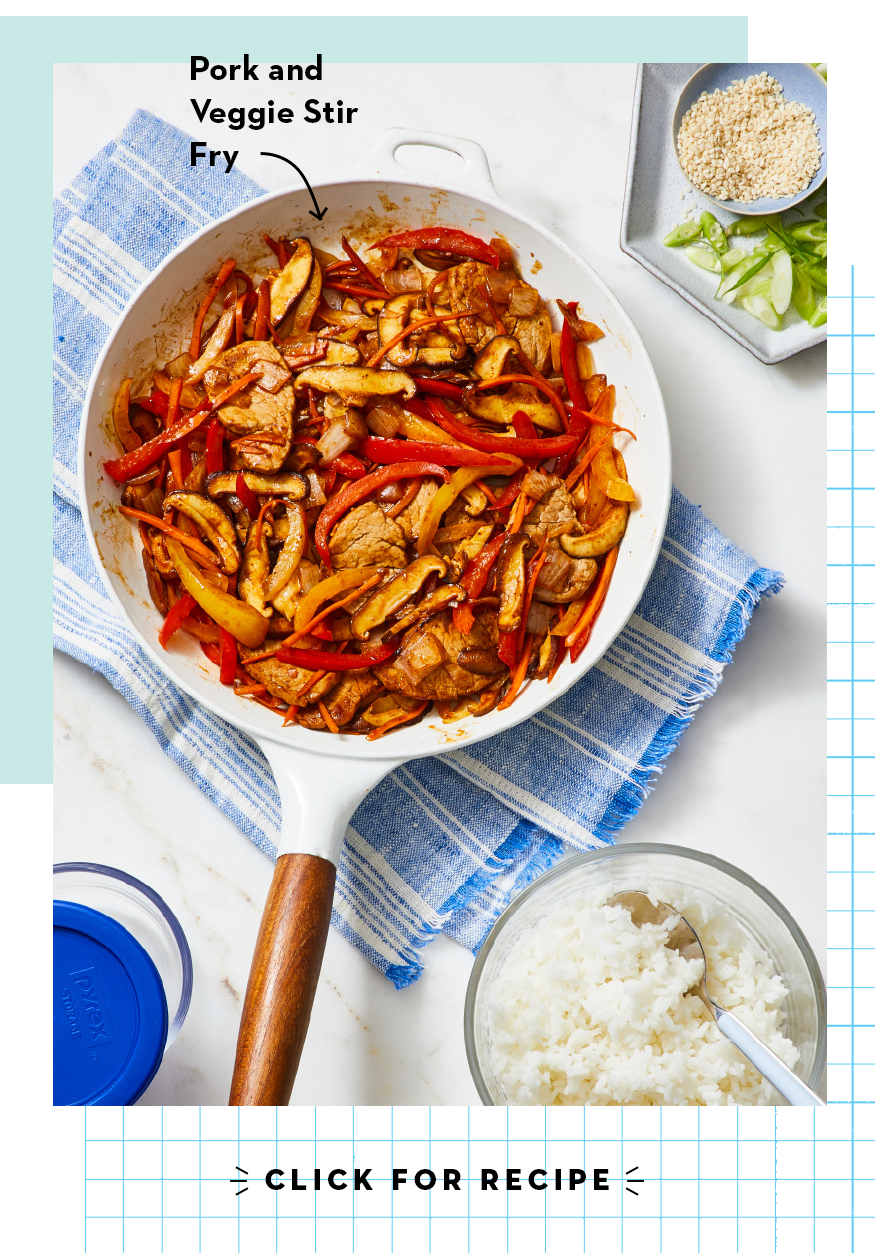
Meal Prep Dinner Ideas

Air Fryer Falafel Salad
Prep air-fryer falafel to add to salads and pita all week.

Zesty Black Bean Rice Skillet
Cook up a big batch of this one-pan meal packed with vibrant veggies and black beans.

Ground Turkey and Snap Pea Pasta
Give pasta a protein boost with lean ground turkey.
Best meal prep recipes for snacks:
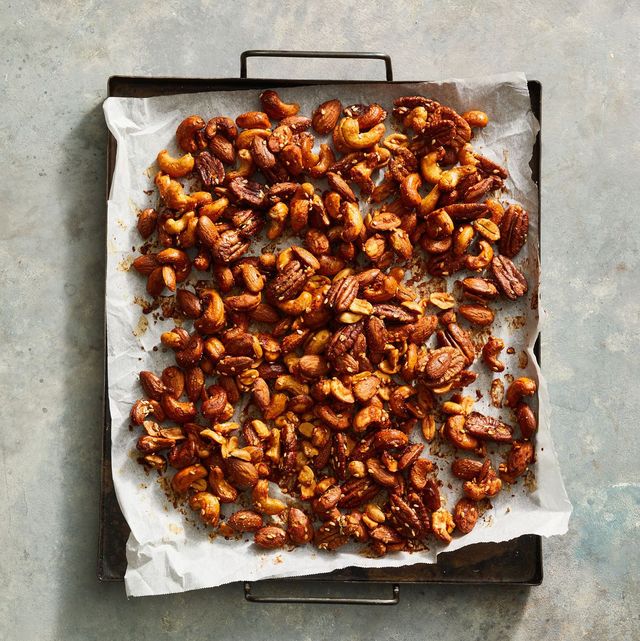
Put a healthy spin on your childhood favorites when the afternoon slump hits. Trade peanut butter for almond butter and cheesy popcorn for sweet matcha.
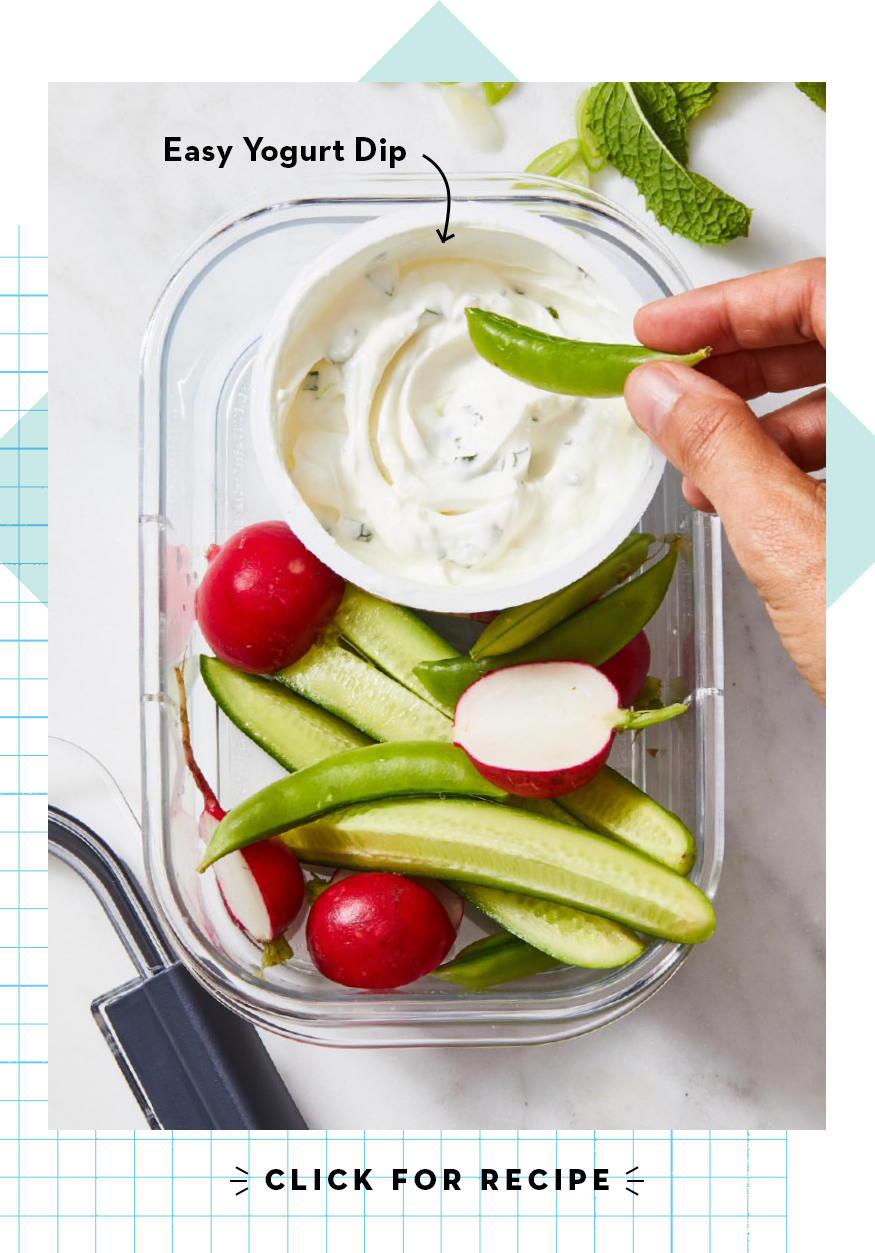
Meal Prep Snack Ideas
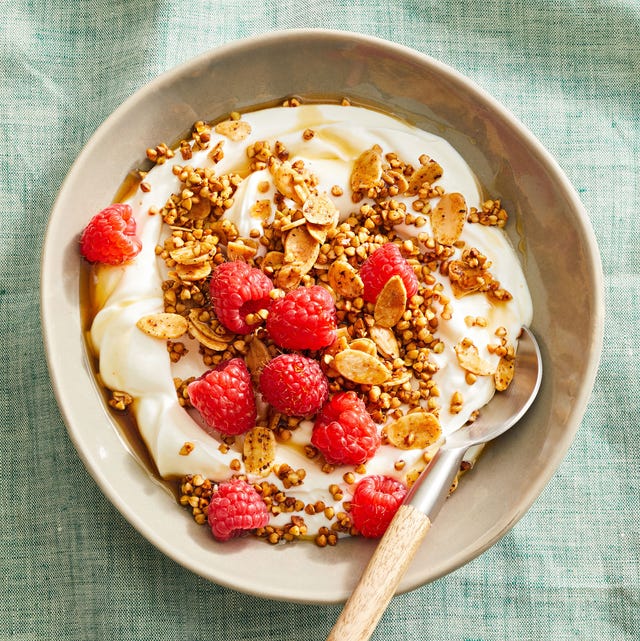
Almond-Buckwheat Granola with Yogurt and Berries
Eat this nutty granola by the handful for an any-time-of-day snack.

Nut Butter Ritz Sandwiches
These almond butter-filled treats are naturally sweetened with mashed banana and honey.
How long will meal prepped food last?
Prepared foods can remain refrigerated for 2–5 days or frozen for 3–4 months, depending on the ingredients. To play it safe and avoid foodborne illness, keep food out of the "danger zone" — temperatures between 40°F and 140°F. Sealing food in airtight packaging or storage containers will not only keep bacteria out, but also protect the flavor, lock moisture in and help prevent freezer burn.