When we talk about getting enough protein, the conversation tends to focus on protein shakes, bars, cottage cheese, and other foods that have become synonymous with a high-protein diet. But according to new CDC data, one of the biggest contributors to Americans’ protein intake is something much more basic: the sandwich.
As a dietitian, I’m actually not very surprised that sandwiches are making such a big protein contribution. They’re convenient and easy to customize, giving you an opportunity to combine protein with the other nutrients that make a satisfying meal. And when I want a high-protein lunch, a sandwich is actually one of the things I’m most likely to make. Ahead are my dietitian tips and tricks for building a protein-packed sandwich that’s nutritionally balanced and delicious.
My high-protein sandwich formula
When I’m making a sandwich specifically because I want more protein, I usually start with a protein-rich filling. Chicken and tuna salad are two of my favorites, especially when I make them with Greek yogurt or cottage cheese instead of mayo. If I really want to increase the protein, I’ll chop or grate a hard-boiled egg or two right into the salad as well.
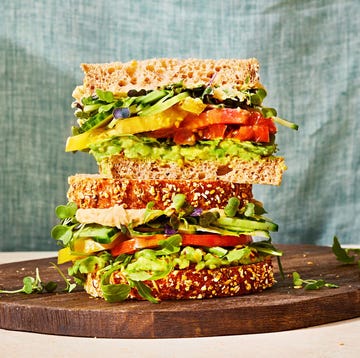
Then I think about what else I want in the sandwich for flavor and nutrition. I’ll usually add avocado for fiber and healthy fats, cucumber for some crunch, tomato for refreshing flavor and antioxidants, and plenty of greens. Arugula is my favorite, but any dark leafy green is a go-to for me. It adds a bitter note that I really enjoy and that I feel helps balance the sandwich, and offers more nutrition than standard iceberg lettuce.
You can put everything on sprouted grain bread for additional protein, although a high-protein wrap (like a cottage cheese wrap or egg wrap) can work well too, plus a slice or two of cheese for even more protein and flavor. And if I want to add even more protein, I’ll serve my sandwich with a cup of lentil soup on the side.
Think beyond chicken and turkey
Leftover rotisserie chicken and sliced turkey breast are easy sandwich proteins, but they’re definitely not the only options. Tuna, eggs, and steak can all become the starting point for a high-protein sandwich. I layer them with avocado, greens, and cheese. Leftover steak can become a steak sandwich or steak hero with arugula and whatever vegetables or toppings I have available. But you can also do a protein mix of turkey, chicken, or whatever else you have on hand.
For a plant-based sandwich, one of my favorite options is a smashed chickpea salad. I’ll smash chickpeas with lemon juice, salt, pepper, and plain Greek yogurt, but you could certainly use vegan mayonnaise. Then I’ll add in chopped dill, celery, shallots, and a hint of Dijon mustard. Not only is it delicious, but the chickpeas give you both plant-based protein and fiber. You can also add an avocado spread or hummus to the bread before adding the smashed chickpeas, and serve your sandwich with a bean soup on the side for even more plant-based protein (and fiber).
Don’t forget the fiber
It’s not just about the protein—I want to build a lunch with fiber, produce, healthy fats, complex carbohydrates, and more to help keep me satisfied and nourish my body. That’s why I like starting with a higher-fiber bread or wrap and then adding plenty of vegetables and greens. Avocado is one of my favorite additions because it provides fiber and healthy fats, while cucumber, lettuce, arugula, and microgreens can add volume, crunch, and freshness.
The bottom line
Sandwiches are already a major contributor to protein intake for Americans, and there are plenty of ways to make the sandwiches we’re already eating more balanced and satisfying. That might be tuna salad made with Greek yogurt, sprouted grain bread instead of plain white toast, or spreading a high-protein bean dip on a wrap before adding your fillings. The best high-protein sandwich is one that not only provides a ton of nourishment, but also tastes great. And while it can absolutely be a balanced meal, you don’t have to make it complicated to get there.