Whilst it may sound like a simple thing to make, it is (ironically) easy to mess up a baked potato.
Gummy centres and soggy, slippery skins are a big no-no in our book. Fear not though, as we have some tips here to help you perfect your spud technique and guarantee a creamy, melt-in-your-mouth interior and a satisfying crispy skin.
Choosing your potato
It is vital to use the right variety - be sure to always use starchy potatoes - it will make all the difference. Some of the more common varieties you are likely to find in shops include King Edward, Maris Piper, Russett, Kestrel, and the deep red Rooster which is truly delicious roasted. It is worth bearing in mind the higher the starch content, the fluffier your potatoes are going to be.
A common mistake to avoid: When it comes to baking potatoes, never roast them wrapped in foil as it traps in moisture and reduces the fluffliness.
Brining your baked potato
If you fancy extra crispy skins, you might consider going the extra mile on top of our original recipe, and try brining the potatoes before roasting them.
First, prick your potatoes all over with a fork - this allows salt to get in to flavour and season the spuds. Pricking the skin means the moisture in the potatoes is able to escape, thus preventing sogginess. Then make a simple brine by mixing 2 tablespoons of salt with 100ml water in a large bowl. Whisk well to dissolve the salt, and then coat the potatoes with the brine solution.
What to read next
Baking your potato
Transfer potatoes on to a cooling rack set over a baking sheet or tray and roast in a 220˚C (200˚ fan) oven for 45min - 1hr (depending on the size of your spuds). The cooling rack ensures ample air circulation underneath the potatoes, and stops the bottoms of the spuds from getting soggy.
To check the potatoes are cooked, push a knife or skewer into the centre of each potato - it should slide through with zero resistance. Then remove tray from oven and brush the potatoes with a thin layer of oil, and return them to the oven for a further 5-10mins, or until the skins have crisped up. Remove potatoes from oven, cut open with a knife right away and give them a gentle squeeze to create a vent and encourage steam to escape. Serve the potatoes straight out of the oven - this guarantees they are at the optimum fluffiness when they land on dinner plates.
Filling your baked potato
Of course baked potatoes are never complete without a filling, which is also a great opportunity to exercise some creative freedom and/or use up leftovers in the fridge. For a quick boost of fish oil, flake some hot-smoked mackerel, trout or salmon and mix with crème fraîche, spring onions or chives, some lemon zest, and creamed horseradish if you like.
Alternatively, you could also combine some leftover roast chicken and mix with mayonnaise, curry powder, spring onions, fresh coriander, sultanas, and some chutney to create your own version of Coronation Chicken.
For a quick vegan lunch, mash an avocado with a fork, then combine with a finely chopped shallot, some canned kidney beans, lime juice, fresh coriander, sprinkle of smoked paprika, assortment of seeds, and serve with generous dollops of vegan cashew cream cheese on top.
Video Recipe:
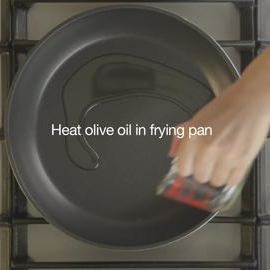
1. Put potatoes in a baking tray. For really crisp skins, drizzle with a little olive oil and rub to coat the potatoes.
2. Bake at 200°C (180°C fan) mark 6 for one to 11/2hr, until crisp on the outside and soft and fluffy inside.
The best potato recipes for the perfect comforting side dish

The GH Kitchen Team are Good Housekeeping’s resident recipe developers and all-round food obsessives. GH Kitchen Director Sarah Akhurst is our resident hosting pro and loves nothing more than putting on a foodie feast for friends. Our GH Kitchen Manager Linzi Pucino is our very own Italian food expert (originally hailing from the North East of Scotland!) and can be found working her way through midweek recipes that cover all bases, from haggis to ragu! Our Kitchen Editor Nadine Brown loves digging into the stories behind her favourite foods and enjoys applying her eclectic tastes to more modern, flavour-forward recipes - just don't give her too much chilli! Our Junior Food Content Produce Frankie Prichard combines a love of beautiful presentation and flavour-led, seasonal cooking in her recipe development, along with a passion for bringing people together through food. With a wealth of professional kitchen experience between them, they’re dedicated to ensuring every Good Housekeeping recipe is the best it can be, so you can trust they’ll work every single time