If you’re not a fan of bouncy HIIT workouts, running just isn’t your thing and you can’t get on board with yoga, we recommend giving reformer Pilates a go.
It’s everywhere right now, with a string of celeb devotees including Harry Styles, Adele and Jennifer Aniston, who rave about its many benefits, including improved balance, flexibility and core strength.
It’s becoming increasingly popular with people of all ages, with lengthy waiting lists for classes. According to one HFE survey, 70% of people would now choose Pilates over yoga.
To find out what all the fuss is about, I spoke to Jessie Blum, founder of Heartcore, a London-based chain of Pilates studios. I've also been doing weekly reformer sessions for the past year and it's made a world of difference to my overall health and fitness. You'll find my full verdict below but here's why it's worth incorporating into your exercise regime.
What is reformer Pilates?
“Reformer Pilates has evolved from the exercise developed by Joseph Pilates in the early 20th century,” explains Blum. “The practice is designed to strengthen and tone the body while enhancing core and joint stability, flexibility and overall body awareness,” she says.
Unlike mat pilates, it’s performed on a specialist machine – the reformer – which uses springs for resistance to create a dynamic but low-impact full-body workout.
The reformer bed, complete with springs, straps, ropes and pulleys, does look a bit like an ancient torture device, but it doesn’t take long to get to grips with. Reformer classes often also include equipment such as resistance bands, Pilates balls, Pilates rings and light dumbbells.
What are the benefits of reformer Pilates?
Low impact: Reformer Pilates offers a full-body workout that’s gentle on the joints but is still extremely effective. “It’s perfect if you want to strengthen without strain, complement high-impact activities like running, or if you’re recovering from an injury,” says Blum.
Suitable for all fitness levels: According to Blum, it’s a misconception that you need to be ‘in shape’ to do reformer Pilates. The reformer is a highly versatile piece of equipment that allows you to tailor the resistance level to your abilities. As you progress and build strength, you can up the intensity.
Targets the core: “Reformer Pilates deeply engages your core, working the abdominal muscles and pelvic floor to build a foundation of strength and stability,” notes Blum. Given that one in three women will experience physical problems due to weak pelvic floor muscles, we should all be prioritising our pelvic health.
Builds strength: As we get older, we naturally lose muscle mass and strength (the official term for age-related muscle loss is sarcopenia). Focus on strengthening workouts, like reformer Pilates, can help counteract this. “With the resistance of the springs, you’ll build lean muscle and sculpt your body, targeting key areas like your arms, legs and core,” says Blum.
Improves posture: If you’re concerned about dodgy posture, you’ll be pleased to know reformer Pilates can make a difference. “By strengthening the muscles that support your spine, it helps improve your posture, counteracting the effects of long hours sitting down and encouraging an upright stance,” she explains.
Increases body awareness and mobility: “Each movement calls for focus, control and precision, which helps to improve balance, coordination and overall body awareness,” says Blum. The spring resistance also helps to improve flexibility and joint mobility, without the risk of overstretching, she adds.
Supports injury prevention: Blum explains that reformer Pilates can help support sustainable, long-term movement and prevent injuries. “The exercises address muscle imbalances and weaknesses, helping to strengthen, stabilise and reduce inflammation.”
What does the science say?
There’s plenty of research to back up the benefits of reformer Pilates. One study found that equipment-based Pilates can help with chronic lower back pain. Evidence also suggests that, when combined with a weight-loss diet, reformer can change your body composition, and it’s said to burn more calories than regular Pilates.
My reformer Pilates verdict
I've committed to regular reformer classes over the past 12 months and it's completely transformed how I think about movement, strength and my own body. Here are four key things I've learnt.
It provides an excellent workout
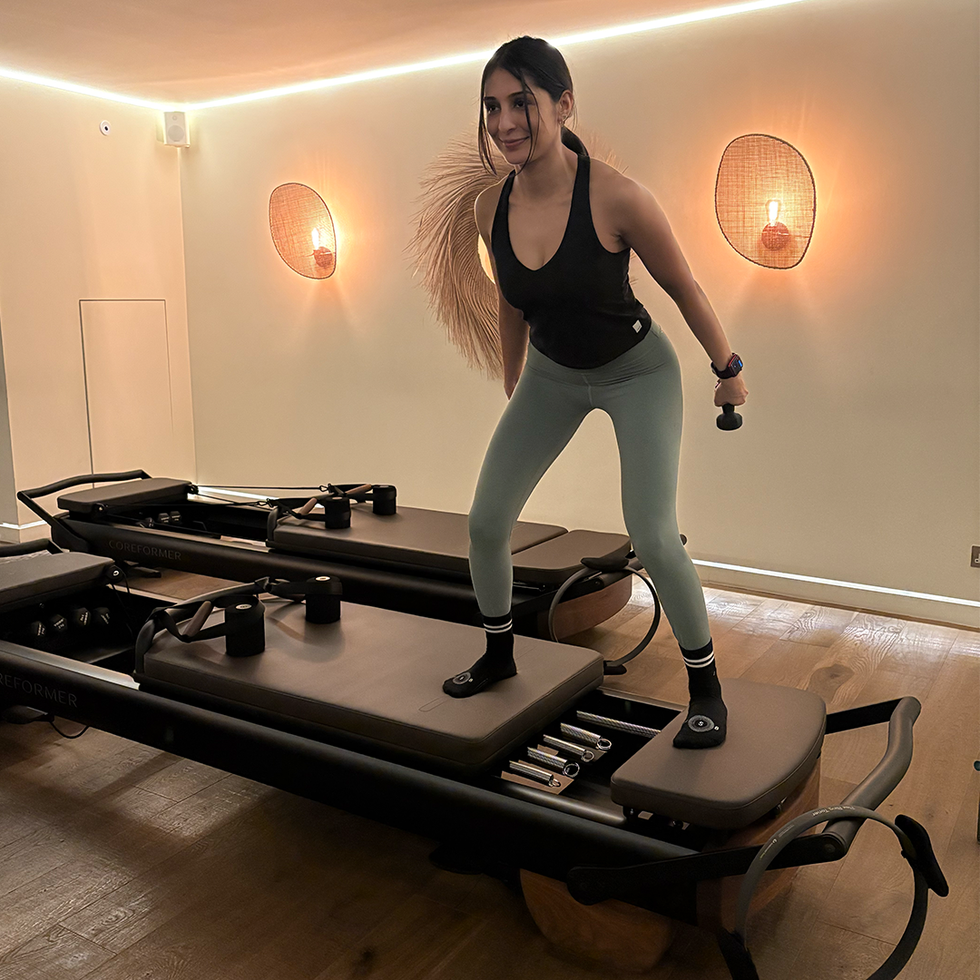
If you're used to explosive, high-energy classes which leave you dripping in sweat, you might think reformer looks all too easy, but the sessions are no joke. The small, controlled movements (there's plenty of pulsing, squatting and crunching) leave my whole body shaking, my heart racing and my core burning. It might be low impact but that definitely doesn’t mean it’s easy.
After a year of consistent training, I've started to see some solid progress. I find the ab exercises are much easier now is my core stronger, and I also feel my calves and glutes are more defined.
It gets your endorphins going
Surprisingly, my Pilates sessions give me a real rush of endorphins. I always feel incredible and full of energy after class, without feeling exhausted and drained like I often do post-run.
Plus, the classes I take are extremely dynamic and engaging. Each one is completely different, with each instructor bringing their own flair to the session, so they don't feel repetitive and I never get bored.
It really does wonders for your posture
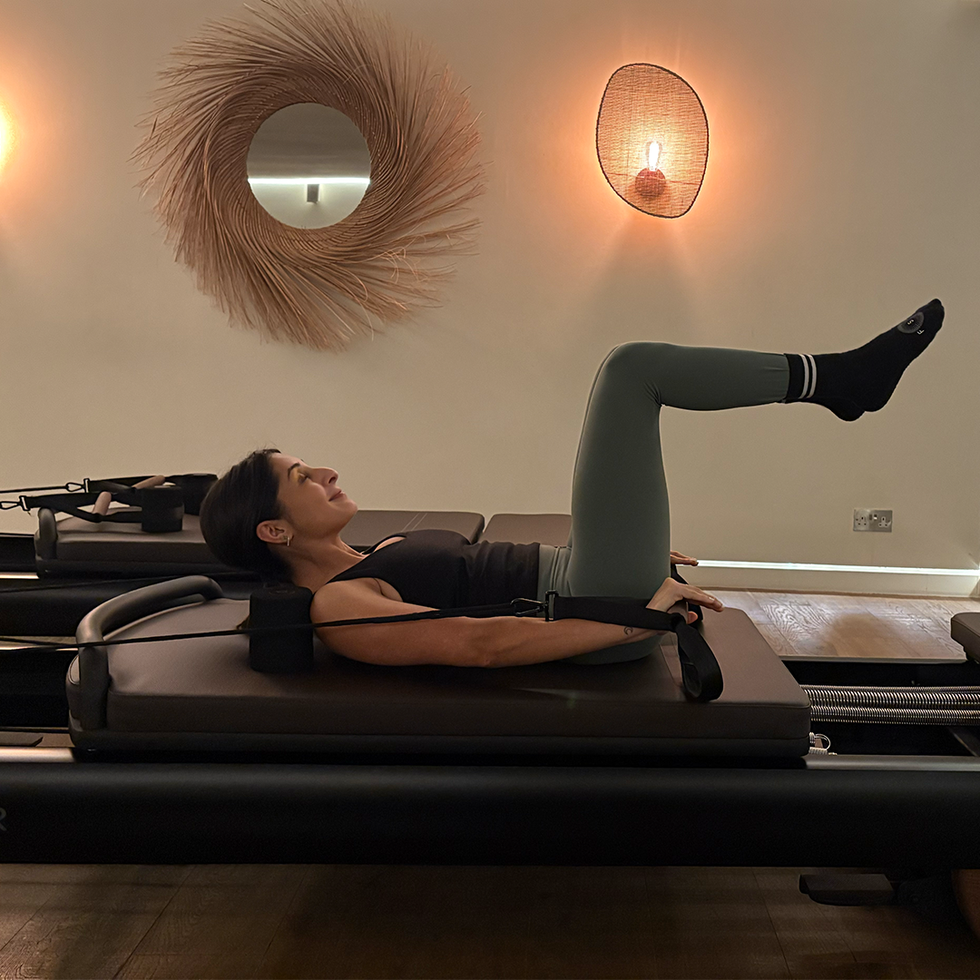
For me, tech neck is a major issue. I spend an embarrassing amount of time hunched over my laptop, but I find that Pilates helped ease muscle tension around my back and shoulders.
By working on my alignment and strengthening the muscles that support my spine, I’ve also noticed a difference in my posture – my neck feels less stiff, I’m standing taller, and I feel a lot lighter.
It’s great for the mind
Despite the punchy pace, Pilates is all about the mind and body connection, and you’re encouraged to focus on your breathing throughout the class. This helped me feel more zen, relaxed and in tune with my body.
Each slow, steady movement requires concentration, which makes the practice a bit meditative – there's no space for getting distracted and running through your to-do list in your head. I even notice that I sleep better after an evening reformer session.
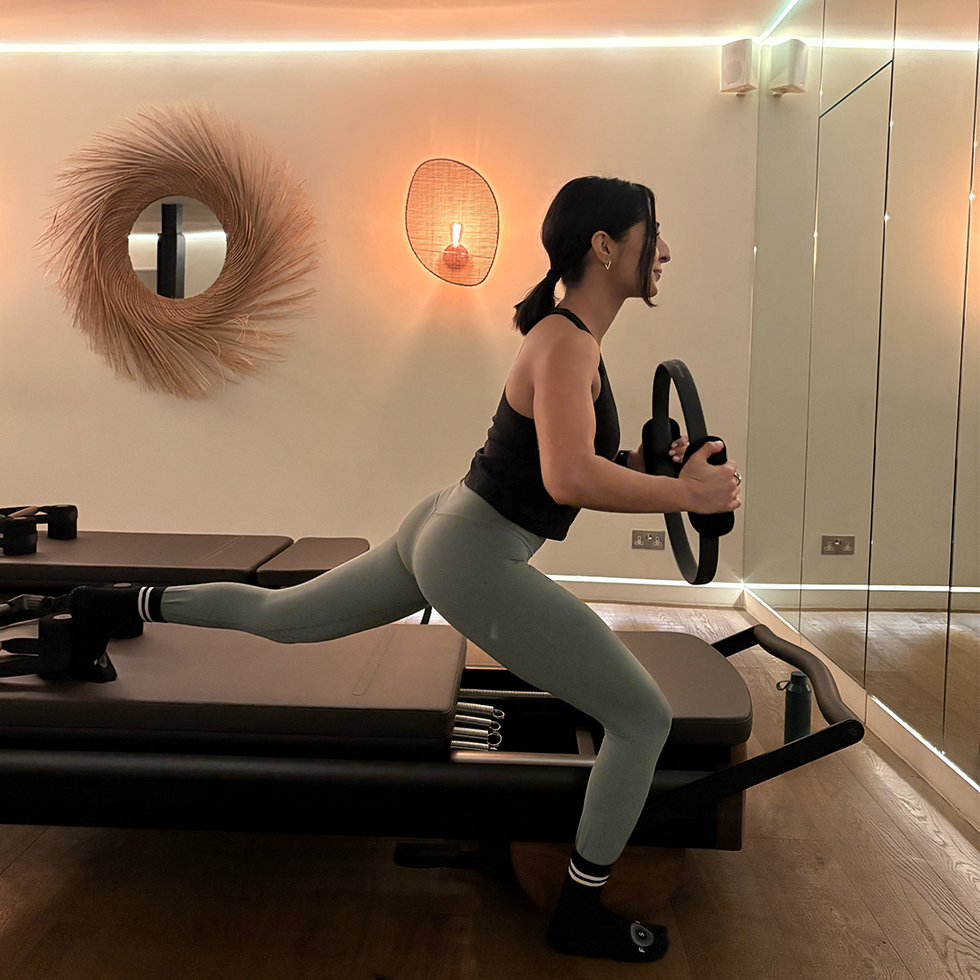
After a year of consistent reformer Pilates training, it’s safe to say it's become an integral part of my wellness regime. I used put my body through a fair amount of stress in usual high-impact classes, but I’ve learnt that I can still get in a rigorous, effective workout without sending my cortisol levels sky-high and ending up a sweaty mess.
The sessions are fun – I’ve challenged my body in completely new ways and I’m most definitely reaping the physical and psychological benefits. If you haven't tried it yet, this is your sign.
Best at-home reformer Pilates machines
Reformer Pilates sessions are notoriously pricey, so investing in a machine for home use is a smart alternative – especially if you're looking to make it a regular part of your exercise routine.
Despite the initial upfront cost, an at-home reformer works out cheaper in the long run, and provides excellent convenience and flexibility. Here are the machines the Good Housekeeping Institute recommends:


Score: 91/100
Granted, it doesn't come cheap, but this reformer provides a studio-quality experience from the comfort of your home. It comes with an accompanying app with a range of interactive classes.

Score: 70/100
At under £400, this is a more affordable piece of kit. It doesn't offer the same premium experience, but it's smaller and less bulky, making it handy if you're short on space.
See our full round-up of the best Pilates reformers.
Reformer Pilates kit to shop now


Reformer Pilates FAQs
How often should you do reformer Pilates?
Blum says two x one-hour sessions per week is ideal. “When you make the practice a regular part of your routine, you’ll start noticing real changes to your body, including greater strength, better posture and improved body tone,” she explains.
Who is reformer Pilates not suitable for?
“While it’s accessible to most, there are certain situations that require a little care and attention,” says Blum.
If you’re dealing with an injury, for instance, she recommends personal training sessions. “You’ll get a bespoke plan tailored to your needs, ensuring your workout purposeful, safe and effective as you work towards recovery,” she explains.
If you have a medical condition and you’re unsure whether refomer Pilates is right for you, consult a medical professional before getting started.
Is reformer Pilates okay while pregnant?
According to Blum, it's an excellent way to stay active during pregnancy. “With your doctor’s approval and the right modifications, you should be able to continue with group classes,” she says. Just be sure to let your instructor know you’re pregnant before the class begins.
How long does it take to see results from reformer Pilates?
If you're consistent with your reformer Pilates sessions, you can expect to see results fairly quickly. After a couple of weeks, you'll notice improved balance, flexibility and coordination. After a month, you should feel stronger and have better posture, and after two months, you may even notice some muscular definition and improvements to your body composition, as long as you're eating a healthy diet which supports those changes.
Is reformer Pilates good for core strength?
Put simply, yes. By combining slow, precise movements with breathing and full-body coordination, reformer Pilates helps to build strong, functional core muscles in a low-impact way.
Feeling inspired to get active?
- If you spend the majority of your days sitting down, a walking pad is a great way to incorporate more movement into routine. Check out our full under-desk treadmill review.
- Thinking about jumping on the running bandwagon? We've found the best running clothes for women.
- Get in a good workout at home with our pick of the best adjustable dumbbells.