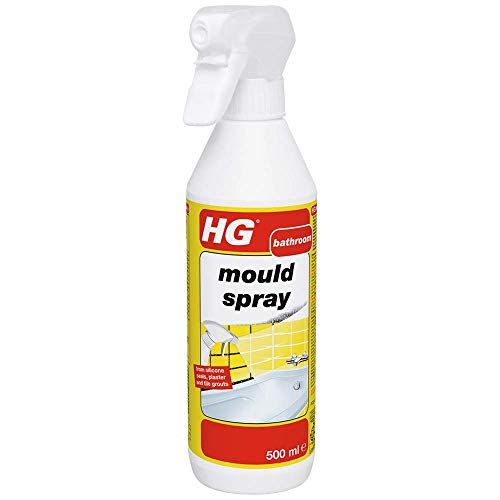
I’m ashamed to say my shower is looking less than sparkly as of late. To be frank, it looks more like a tanning booth, with orange stains forming everywhere, overwhelming the grout, tiles and even the floor. I’m not sure how it got this bad, but it has suddenly spread to the point that I keep putting off cleaning it.
I never notice such stains in other bathrooms I visit – in my experience, mouldy grout usually looks black, so what’s going on here? To solve this vibrant conundrum, I spoke to Danny Leung, founder of Detoorp and expert in all things laundry and cleaning. Here, he breaks down exactly what orange grout is and the best way to restore it.
Why does grout change colour?
Let’s start with the basics. Grout changes colour due to the moisture and residue it’s subjected to, coupled with its porous nature. With every shower, there’s soap scum, dead skin cells, hair and the water itself left behind, which encourages bacterial growth and limescale. The colour change we’re seeing is down to that.
‘Grout is porous, that's really the whole issue,’ explains Danny. ‘Unlike tile, it soaks things in rather than letting them sit on the surface, so soap scum, moisture and limescale (especially in the UK) all get absorbed into it over time. Combine that with a shower being warm, damp and often not ventilated well, and you’ve basically created an environment for bacteria and mould.’

But why has my grout turned orange?
Danny continues: ‘Limescale is usually white and/or greyish. But if you see orange grout or film, it’s when bacteria develop in those areas. These are most likely where soap scum and limescale are combined with bacteria and are spreading out slowly.
‘Orange or pink grout means bacterial build-up. Whereas black and green is always mould, which is fungus. Sometimes you get orange or brown grout that’s also rust, but that’s less likely.’
So, there you have it, what I thought was always limescale due to living in a hard water area only turns out to be part of the problem. While bacteria is at the root, it also comes down to the lack of ventilation in my bathroom. I do wipe out the shower every night, but there are no windows and my extractor fan stopped working months ago. So, what should be done about my makeshift tanning booth?

How to remove orange grout
‘The quickest way to remove the orange stain is with white vinegar or bicarbonate of soda and water made into a paste,’ advises Danny. ‘Apply it directly to the grout, leave it for about 10-15 minutes, then scrub with an old toothbrush and rinse. Then sanitise those areas. Whatever you use, always rinse thoroughly afterwards and air-dry the area properly, since the dampness is exactly what let it happen in the first place.’
Scrubbing with an old toothbrush is brilliant for tight, intricate spaces around the shower. But if you want to speed up the process, I suggest switching to an electric cleaning brush for larger tiles. This cleans the grout within minutes and requires much less elbow grease. I tried one for myself in the bathroom and the results were jaw-dropping.
You could even combine the bicarb and vinegar for extra power; apply bicarb first, then spritz it with vinegar once the time is up; the chemical reaction will help to dislodge the stain. Once the shower’s clean, I will need to change my habits to keep it that way, though.
‘Ventilation is honestly the biggest factor; running an extractor fan or opening a window during and after a shower makes a huge difference. Sealing your grout every 6-12 months helps a lot, too. It makes the surface far less porous so there’s simply less for bacteria and build-up to grip on to in the first place.’
Going ahead, as well as wiping out the shower, I’m going to make every effort to ventilate the bathroom. The shower door will be left open, I will run a dehumidifier outside the room, and I will get the extractor fan fixed. In doing this, hopefully my grout will stay white and bright, rather than looking like it’s just come back from a holiday.
Grout cleaning kit