
Drying clothes outdoors is one of the great luxuries of summer but once autumn and winter arrive, so, too, does the wet and wild weather this country is so well known for – rendering our clothing lines less than helpful.
However, it isn’t quite as simple as just bringing the laundry in. Bringing wet laundry indoors can create its own problems, too. If it is left drying in a poorly ventilated room, all that moisture can increase humidity, encourage condensation and leave your home smelling damp and musty. Over time, this can run the risk of mould and mildew intercepting your home.
So, rather than simply draping everything over the radiators and hoping for the best, I’ve found six clever ways to dry laundry indoors more efficiently. From creating a dedicated drying zone to using a few unexpected tricks to remove more water before your clothes even leave the washing machine, these ideas will help you get through rainy laundry days without making your home damp and smelly.
Create a drying room

First tip, and one that’s essential if you’re drying clothes indoors; try to keep the moisture contained to one room rather than allowing it to spread throughout the house. Choose the smallest suitable room you have, such as a spare room, bathroom or utility room, and position your clothes horse or heated clothes airer somewhere with enough space for air to move around it.
Keep the clothes well spaced out rather than layering garments over one another, as this will help them dry more evenly and prevent damp patches from lingering. Close the door while the laundry dries to stop moisture travelling into the rest of your home, but make sure the room has some ventilation, such as an open window or trickle vent. You can also add a dehumidifier to speed things up and remove moisture from the air.
It may feel slightly counterintuitive to shut wet laundry in a room, but the aim is to create a controlled drying zone. This is much easier to manage than having damp clothes spread across the living room, bedroom and hallway, where the moisture can settle on colder walls and windows.
Extra spin
One of the easiest ways to speed up indoor drying happens before your clothes even leave the washing machine. Once the cycle has finished, run the laundry through an extra spin cycle to remove as much excess water as possible. It sounds so simple, and that’s because it is. But this is a massively overlooked setting that pretty much all machines offer but it means less moisture has to evaporate into your home and your clothes should spend less time hanging around damp.
It is particularly useful for heavier items such as towels, jeans, bedding and jumpers, which can hold on to a surprising amount of water. Just avoid overloading the drum, as clothes need space to move around properly for the spin cycle to work effectively.
It is also worth separating heavy and lightweight items before hanging them up. Give everything a good shake, fasten zips and buttons where appropriate, and leave plenty of space between garments on the dryer. The less water your laundry carries and the more air that can circulate around it, the quicker it will dry.
Use a fan

The wet weather might be in the way, but that trusty fan that’s been loyally seeing you through one of the hottest summers on record, may still have another trick up its sleeve. A fan can make a surprisingly big difference to drying time by keeping air moving around your clothes. Position it a short distance away from the clothes dryer and angle it so the airflow passes through the garments, rather than blasting directly at just one item. Leave space between each piece so the air can reach as much of the fabric as possible.
The fan won’t remove moisture from the room by itself, so it works best alongside an open window, trickle vent or dehumidifier. Used this way, it helps stop damp air sitting around the laundry and encourages the water in the clothes to evaporate more quickly.
Make sure the fan is placed on a stable, dry surface and well away from any drips or splashes. It is also worth rotating or rearranging the clothes halfway through drying so that thicker areas, such as waistbands, cuffs and pockets, get their fair share of the airflow.
Upgrade to a covered heated airer
Heated airers are amazing, especially during the colder months, but do you know what’s even better? A covered one. A heated airer can be handy on rainy days, but adding a cover makes it that bit more efficient. The cover traps warm air around the clothes, helping them dry faster while stopping as much moisture from escaping into the rest of the room.
Keep heavier garments towards the bottom, where possible, and leave enough space between pieces for warm air to circulate. You can also turn or rearrange the laundry halfway through drying to prevent cold, damp patches.
Always use the cover designed for your specific heated airer, follow the manufacturer’s instructions and avoid covering the appliance with blankets or other non specified materials – we don’t want a risk of damp to turn into a risk of fire. Place it on a stable, dry surface and keep the area around it clear.
GHI's best heated clothes airers

Score: 86/100
This affordable airer dried our clothes in under two and a half hours and left bedsheets touch-dry in one hour and forty minutes. It cost just eight pence an hour to run and our testers liked that they could lay their clothes flat in the middle. A savvy buy.

Score: 91/100
Lakeland’s newest Dry:Soon is a versatile, easy-to-assemble airer with three configurations and a generous 30kg capacity, drying bedding in under three hours and leaving clothes crease-free. While some items stayed slightly damp after four hours and it comes at a premium price, it’s a smart investment for busy homes thanks to the included cover and laundry baskets.

Score: 96/100
Our top-rated electric airer barely dropped a mark in testing, heating up in just three minutes and drying clothes in an impressive 45 minutes. Wet bedsheets were toasty in just over an hour, while the pod design left no crease lines, helping to keep ironing to a minimum. It’s a good space-saving option, although you’ll need to assemble and dismantle it after each use, and find somewhere to store it. The lack of wheels is a slight inconvenience, but there’s very little else to dislike.
Utilise the bathroom

This might sound like the worst possible place to dry laundry, given that it is usually the dampest room in the house, but your bathroom could actually be the cleverest option – provided it has a properly working extractor fan.
The trick is to use the bathroom as a contained drying zone. Put your clothes dryer inside, space the clothes out properly, shut the door and switch on the extractor fan. This gives the moisture somewhere to go, stopping it from drifting into your bedroom or living room and settling on colder walls and windows. Just make sure the fan vents outside, rather than simply recirculating the air.
Obviously, don’t combine this with a shower, and avoid hanging clothes directly over a radiator or blocking the extractor. Leave the fan running while the laundry dries and for at least 20 minutes afterwards. If the room remains steamy or the fan is weak, this probably isn’t the drying solution for you – but for a well-ventilated bathroom, it can be surprisingly effective.
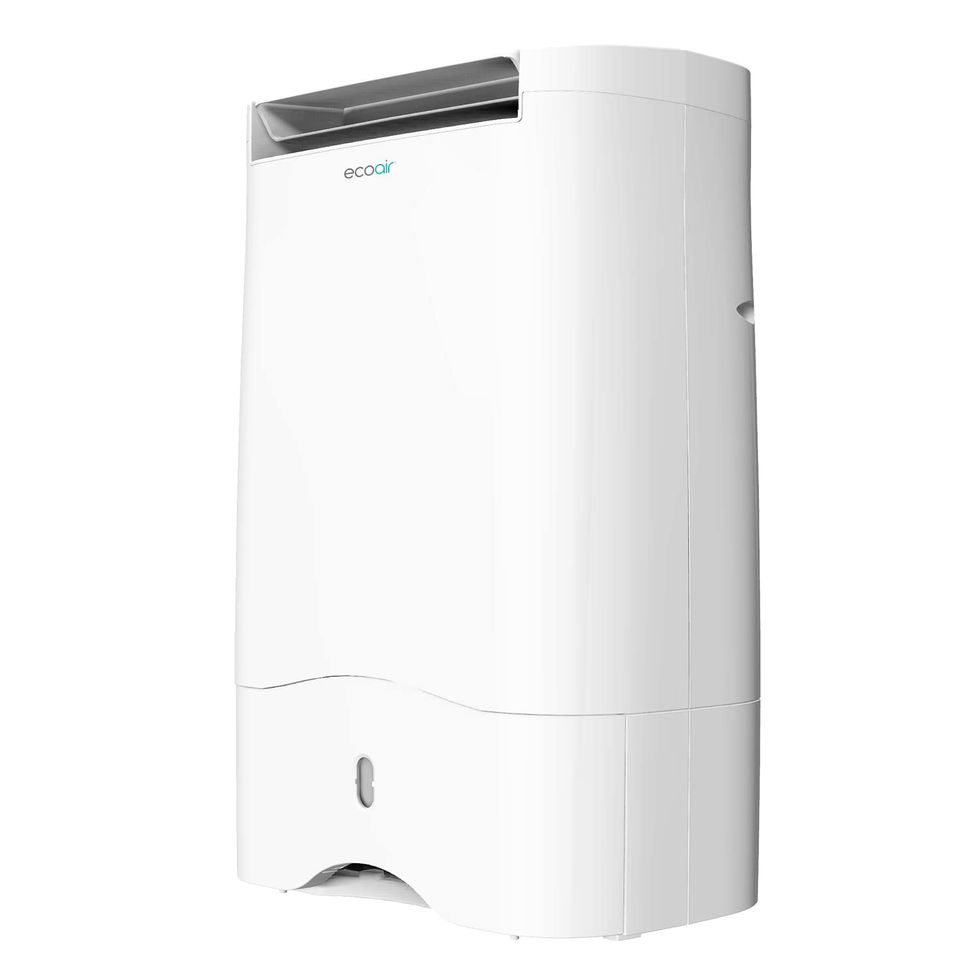
Use dehumidifiers
This is less of a surprise, and more common sense. But a dehumidifier really is one of the most effective ways to dry laundry indoors because it tackles the actual problem: the moisture being released into the air. Instead of allowing that damp air to settle around your home, the machine pulls water from it and collects it in a tank.
For the best results, place your clothes dryer in your chosen designated room with the doors and windows closed, leaving plenty of space between the garments as usual. Position the dehumidifier nearby, but not so close that it blocks the airflow, then leave it running while the clothes dry. Keeping the moisture contained in one room means the machine has less air to work through and should get the job done more efficiently.
Use the laundry or continuous setting if your model has one, and empty the tank regularly. A dehumidifier will not make wet clothes dry instantly, but combined with an extra spin and good spacing, it can dramatically reduce drying time while helping to prevent condensation, musty smells and damp spreading through your home.
The GHI's best dehumidifiers


Score: 97/100

Score: 92/100
Score: 92/100


