
It’s safe to say the weather is all over the place. One minute, there’s streaming sun and we’re hanging on to the final dregs of summer; the next, torrential rainfall as we frantically try to find our brollies. But come rain or shine, one thing’s a constant: the humidity.
Thanks to the residual heat from the summer combining with the occasional downpour, humidity is through the roof right now, both in and out of our homes. What’s more, as we’re now starting to close our windows, we’re locking it in and making matters worse with our daily habits.
Between all the showering, laundry and cooking, things are as damp as ever indoors, making mould and musty smells more likely. But what can we do about it? We’ve come up with some inventive solutions to save you from dampness this autumn.

Create your own ‘drying room’
Drying your laundry indoors is a major source of humidity, but what else can you do when it’s raining outside? Luckily, you can limit its impact by creating a dedicated ‘drying room’.
First, you need to find a smaller room with superior ventilation – a utility room or even a bathroom with a large window could work. Then, you need to make sure your laundry is hung on the dryer correctly – keep items spaced apart and draped over more than one line if possible, so the air can circulate effectively.
For the final touch, you just need to open the window and close the door. This stops the humidity from reaching the rest of your home and encourages it to evaporate faster. If there’s an extractor fan, switch it on to help.
Use disposable dehumidifiers
If you don’t have the space for a full-size dehumidifier, there are other options. Disposable dehumidifiers are fantastic for absorbing humidity in tight awkward spaces, such as kitchen cupboards or under the sink. They’re small, non-electrical and actively absorb humidity, usually by way of hydrophilic crystals. You just need to remember to change them once they’re full, as they generally only last for a few weeks at a time.
Our favourite disposable dehumidifiers


Switch to eco cycles
If you’re trying to keep humidity to a minimum, the last thing you want to do is run a 60-degree intensive cycle on the dishwasher – there’s always a cloud of steam when the time comes to open the door! Dishwashers and washing machines both release their fair share of humidity once the cycle’s over, but you can reduce this by switching over to eco cycles.
Eco cycles run at a lower temperature for longer, which costs you less, provides effective stain removal and – bonus – releases less steam versus a hot wash. They’re one of the cycles you should really be frequently using.
Open window trickle vents
Just because the windows are closed doesn’t mean you can’t ventilate your home. If your window has trickle vents (small horizontal vents found above the window), open these up to allow some air flow. Don’t worry if it’s raining; these are sheltered from the outside so the rain won’t leak in!
Despite the rain, we still recommend opening windows daily. Even a short 10-minute burst will refresh the air in your space. Doing this once you’ve woken up is especially important, to vent all the water vapour you’ve exhaled at night. And don’t forget to pull back the sheets, so sweat can ventilate, too.

Keep lids on pans
A massive amount of humidity comes from our pans as we cook, particularly when we boil something or cook food that has a high water content, such as veggies. To prevent this, it’s worth keeping the lids on pans to limit the amount of moisture that’s released into the air – instead, that moisture is contained and drips back into the pan.
At the same time, you should also switch on extractor fans and open windows to ventilate while you cook. You could also try alternative cooking methods, such as roasting or stir-frying, to limit the steam, or simply patting wet food dry before you throw it in the pan.
Be strategic with your dehumidifier
A dehumidifier shouldn’t just be stationed in the centre of the room – you need to consider where and when your home is at its most-humid and place it strategically. Nearby laundry as it dries is a good spot, as is the kitchen once dinner is cooked or outside the bathroom once you’ve had a shower. By doing this, you’ll get the best performance from your dehumidifier.
The GHI's best dehumidifiers


Score: 97/100

Score: 92/100
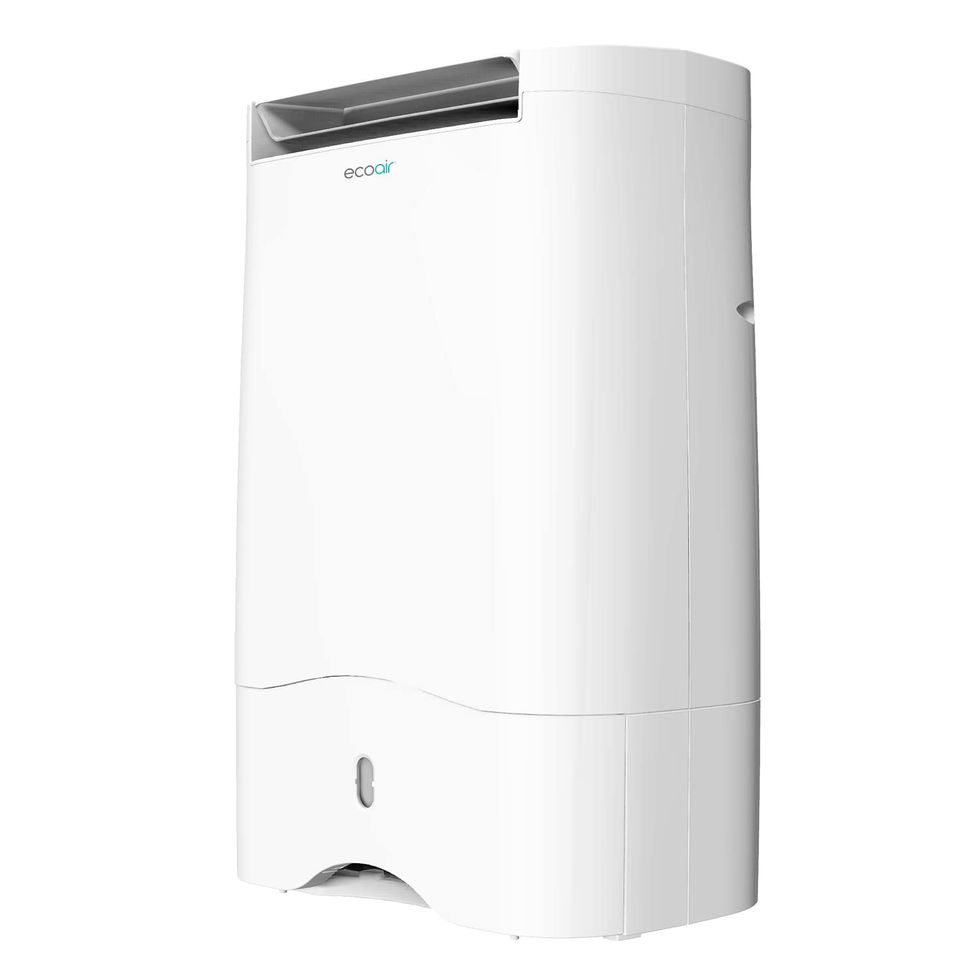
Score: 92/100

Make sure the room can breathe
If your furniture is pressed up against the wall, there’s limited air flow around it and more chance of dampness settling behind. Take a moment to pull your furniture away from the walls to improve circulation – even 5cm will help.
Clutter in general reduces the air circulation in a room, so be sure to remove items that are just taking up space – especially unwanted furniture or bulky boxes.


