
The temperature took a drop yesterday, so naturally, condensation was everywhere this morning. A colleague mentioned how it was ‘streaming’ down his bedroom windows so bad that it pooled on the floor and bubbled the paintwork.
We’ve all had to deal with condensation at one time or another. At best, it’s a regular nuisance that you need to keep wiping away. At worst, it can damage paint and soak carpets, leading to mould and mildew.
But what if you didn’t have to keep wiping condensation away? What if there was a way to put a stop to it once and for all? Here are 5 things you need to do keep condensation at bay over the colder months.
‘Burp’ your home
The first step is the most obvious one – you need to ventilate your home to evaporate and release the moisture. By refreshing the air in your home, you’re lowering the general humidity levels, which means there’s less water vapour in the air to form droplets on your windows in the first place.
Opening windows isn’t always ideal in the colder months, which is why condensation becomes a real problem in autumn. But even opening them for a quick 10-minute burst in the morning – or burping your home, if you will – makes a difference. You need to open all windows fully (ideally on opposite sides of the home) for best effect.
Invest in a humidity reader so you stay aware of the moisture levels in your home. You want it to be between 40-60%.

Keep the heating consistent
Condensation forms when moisture in the warm air hits the cold glass of your windows (and other cold surfaces) and is rapidly cooled until it reaches its dew point. At this stage, the moisture forms physical droplets and starts beading. If the surface is closer to the ambient temperature of the room, condensation won’t form.
With that in mind, keeping your heating on a consistently low level, rather than blasting it on and off, makes condensation less likely. After all, a constant low level of heat means surfaces won’t have as great a chance to be chilled by the external temperatures.
Of course, leaving your heating running all the time isn’t ideal for your wallet, and advice on doing so varies based on the heating system. The Energy Saving Trust doesn’t recommend this for those with boilers because it costs more in energy and money, but heat pumps can be left on all day – and you can save money by doing so.
In this case, even a low temperature setting of 16°C can help to prevent cold surfaces around the home.
Use a dehumidifier on laundry day
Dehumidifiers extract moisture from the air as they work, which is filtered into a tank that you need to manually empty – and you’d be amazed by how much they collect. Within a couple of hours, you’re draining litres of water down the sink, leading you to wonder why the condensation isn’t worse.
It’s worth running a dehumidifier whenever moisture levels are high in the home, whether it’s after you’ve taken a shower, in the kitchen while you’re cooking or to absorb the moisture from your laundry as it dries. All of these scenarios add excessive moisture to the air, which results in more condensation by morning. The GHI has tested a range of dehumidifiers to find the best.
The GHI's best dehumidifiers


Score: 97/100

Score: 92/100
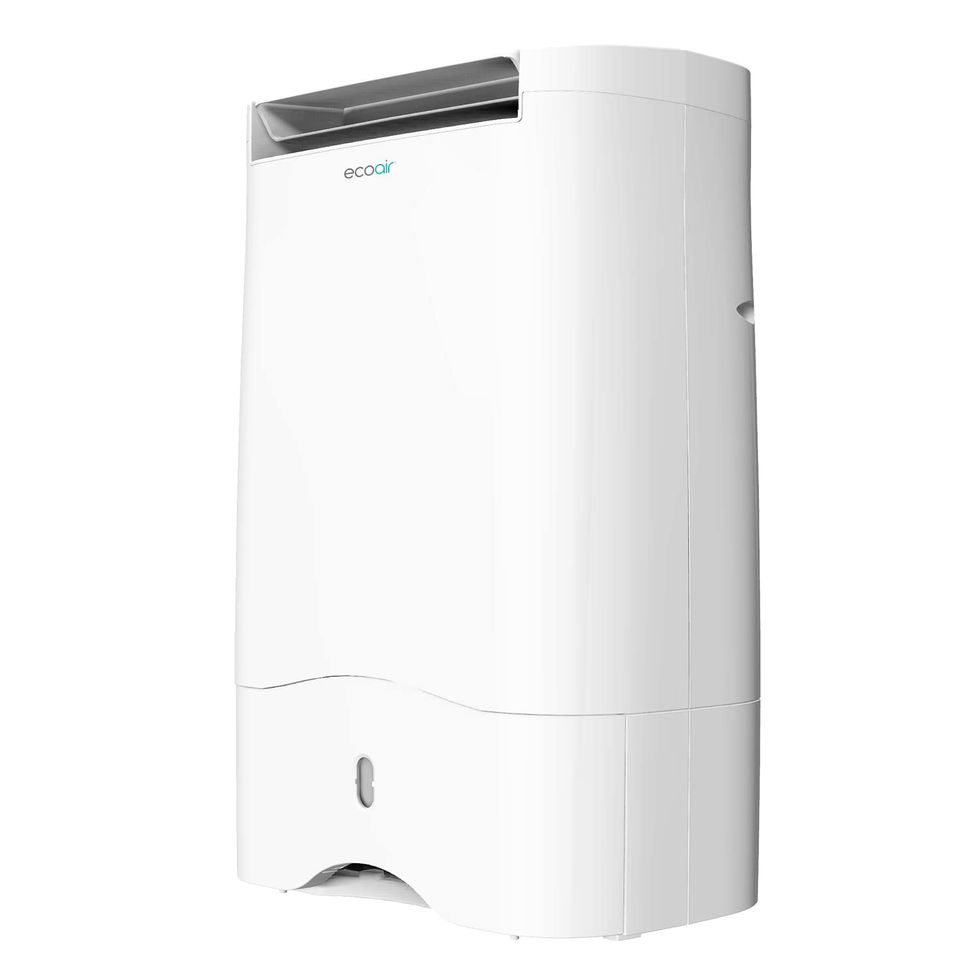
Score: 92/100
Use mini-dehumidifiers everywhere else
Sometimes, your full-size dehumidifier struggles to reach tight and awkward spaces where moisture collects. This often happens at the backs of kitchen and bathroom cupboards, where moisture levels are high but ventilation is limited. If it happens to be a north-facing wall, which gets minimal sun, that makes matters worse.
There are small disposable dehumidifiers you can use in such spaces – my mum swears by them. You need only empty them once they’re filled. Alternatively, you can use a bowl of bicarb, rock salt (place in a colander with a bowl beneath to collect moisture) or even silica gel sachets. Make sure pets can't get to whichever method you choose!

Switch from a cloth to a window vacuum
If you wake up to condensation, you still need to remove the moisture. But rather than using a loose cloth, which will likely cause it to run and drip on to the sill and floors below, we recommend going over with a window vacuum instead. This will suck up and collect the moisture directly, so you can tip it away. It also prevents streaks and smudges once the glass dries. The GHI has tested a range of window vacuums to single out the top performers.


