We earn a commission for products purchased through some links in this article.
Prebiotics vs. probiotics: what is microbiome skincare?
We spoke to the experts and tested products on over 170 women
 Tested by Maria KumarBeauty and Grooming Testing Manager

The expression “trust your gut” has never felt more apt. Research on the gut-brain connection is compelling and studies increasingly show that our gut health can have a big impact on our overall health.
But how often do you think about the bacteria on your skin (without feeling a bit icky)? The probiotic cultures that keep your largest organ ticking along, enhancing those healthy layers of protection, aren't talked about a lot in the skincare space.
And yet, it’s these microbes that keep your flora functioning and protect your skin from infection and harm — without them, we’d be vulnerable to all sorts of dermatological diseases. Serious skin conditions aside, this army of good bacteria is essential for keeping the threat of overly greasy or dry skin at bay.
We interviewed a range of experts about the importance of pre-, pro- and postbiotics in skincare, and how the gut’s microbiome can impact not only our skin, but every element of our physical and mental health. Find their answers in the FAQs at the bottom of the article.
And to find the best pre- and pro- and post-biotic skincare to add to your beauty routine, the Good Housekeeping Institute recruited a panel of 170 women to put them through their paces.
- 1

Best probiotic serum
Dr. Barbara Sturm Microbiotic Hydrating Blemish Control HA Serum, 30ml
Read review - 2

- 3

- 4

- 5
How we test prebiotic and probiotic skincare
With the help of over 170 panel members, we put an array of prebiotic and probiotic skincare products to the test. Each tester used the product for eight weeks and gave feedback on ease of use, packaging design and performance, including whether they saw improvements in hydration or a reduction in skin sensitivity.
In the lab, we used the Tewameter probe to measure transepidermal water loss, to assess the water barrier function of the skin before and after using the product (an indication of the health of the microbiome).
Dr. Barbara Sturm Microbiotic Hydrating Blemish Control HA Serum, 30ml
Dr. Barbara Sturm Microbiotic Hydrating Blemish Control HA Serum, 30ml
Score: 82/100
This serum is designed for bacterial-borne blemishes, and contains pre- and probiotics to rebalance flora, as well as tiger grass to soothe and regenerate skin. Testers saw a reduction in congestion and spots around the chin and jawline after using the product, with almost everyone saying their breakouts were reduced overall.
Panellists said it was “hydrating”, “lightweight” and “fast absorbing”, and everyone agreed it made their skin look brighter, smoother and less inflamed, without being too greasy.
In the lab, this serum performed best for preventing transepidermal water loss, suggesting the skin's barrier function was improved with continued use. Though pricey, it seems Dr Sturm does formulate products worth investing in.
Key specification
| Pre-, pro- or postbiotic | Pre- and probiotics |
|---|
Gallinée Universal Face Cream 30ml
Gallinée Universal Face Cream 30ml
Score: 82/100
This cream boasts a powerful “Triple Biotic Complex” of prebiotics, probiotics and lactic acid, as well as myrtle extract – an antioxidant from the French Med – to strengthen the skin’s barrier. Every tester agreed their skin felt instantly hydrated after use, with a few commenting on the “added glow” it gave them.
It scored full marks for ease of use, with testers telling us the product was easy to dispense and apply, while being the ideal size for dropping in a handbag or taking in your hand luggage.
Key specification
| Pre-, pro- or postbiotic | Pre-, pro- and postbiotics |
|---|
Allies Of Skin Probiotic Mist
Allies Of Skin Probiotic Mist
Score: 75/100
For those who feel overwhelmed by the idea of a ten-step skincare regime (don’t we all?), this mist could be the ticket. Testers were thrilled with how easy it was to integrate into their daily routines, they loved the application process, and a nifty anti-evaporation molecule helps it attach to skin cells without melting away, so it stuck around all day too.
With an optimal pH of 3.5-4.3, six antioxidants and a host of probiotics, this mist is formulated to balance skin and banish signs of fatigue. It didn’t pill when applied under makeup and everyone loved the premium feel of the glass bottle. Top tip from our testers: keep it in the fridge for a refreshing top up whenever the mood takes you.
Key specification
| Pre-, pro- or postbiotic | Probiotics |
|---|
Dr. Jart+ Vital Hydra Solution Biome Water Cream
Dr. Jart+ Vital Hydra Solution Biome Water Cream
Score: 75/100
It’s no secret that Korean skincare is taking the cosmetic industry by storm — from creams to face milks and non-comedogenic SPFs, we’ve all been a little Korea-crazed lately. Hence the popularity of Dr Jart+ skincare. For a while, these sought-after formulations weren’t available in the UK, but the brand’s Vital Hydra Solution range has really made a splash since arriving on our shores.
Everyone who tried this said their skin felt less dry and flaky after use. Testers mentioned their skin’s “plumped and hydrated” appearance and waxed lyrical about the “cool, refreshing sensation” when you apply the gel.
The formula uses a proprietary ferment (a blend composed of Jartbiome™ probiotic complex, humectants and hyaluronic acid) to strengthen the skin's barrier and rebalance its flora, which explains our testers’ clearer, bouncier complexions after the trial period.
Key specification
| Pre-, pro- or postbiotic | Probiotics |
|---|
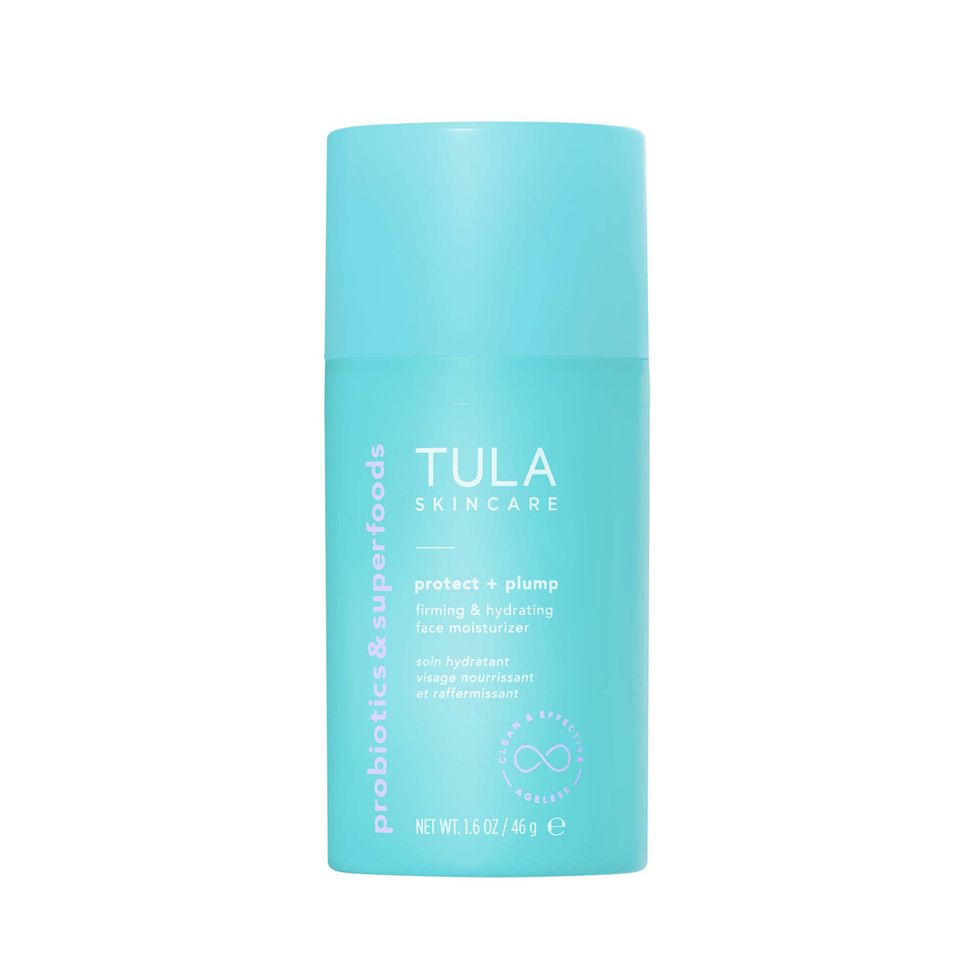
Tula Protect + Plump Firming & Hydrating Moisturizer
Tula Protect + Plump Firming & Hydrating Moisturizer
Score: 75/100
This Tula moisturiser went down well with testers looking for something easy to incorporate into their routines. It sunk in straight away, creating the perfect base for makeup or other products layered on top. One tester noted that it “actually created a moist skin glow under foundation, whereas other moisturisers make base products go all patchy.”
Goji berry prebiotics help this cream to minimise the appearance of fine lines, while probiotic extracts help smooth uneven skin and calm any red or inflamed areas. Everyone said their face felt hydrated, moisturised and refreshed straight away, leaving them with softer and smoother skin overall after the full trial period. A triumph from Tula.
Key specification
| Pre-, pro- or postbiotic | Pre- and probiotics |
|---|
Venn Synbiotic Defense Mist

Score: 73/100
Venn’s proprietary mix of prebiotics and probiotic ferments makes up 80% of this formulation, which also contains 2% niacinamide and other clinically backed actives. Designed to balance compromised skin, and with a not-so-modest price tag, we were keen to put this product to the test.
Our panellists loved the fact this mist didn’t leave any unpleasant residue and told us it left their face and décolletage feeling soft and smooth straight away. The luxury, soothing sensation it gave left almost everyone satisfied. The only downside was the price tag.
Key specification
| Pre-, pro- or postbiotic | Pre- and probiotics |
|---|
ELEMIS Superfood Day Cream Pre-Biotic Day Cream

ELEMIS Superfood Day Cream Pre-Biotic Day Cream
Score: 73/100
Almost every bit of feedback we received for this product mentioned how seamless it was to apply under makeup. Comments from our panellists included: “My skin felt immediately hydrated” and “there was nothing greasy or heavy about it”, while everyone found it fast absorbing and lightweight.
It’s packed with a feast of nourishing omega-rich extracts including broccoli and goji berry, antioxidant matcha tea and ginger, and a vegan-friendly, natural, sugar-derived prebiotic to feed the skin’s microflora — no wonder our testers told us their complexions felt healthy and smooth after eight weeks. Some weren’t fans of the herbal smell, though.
Key specification
| Pre-, pro- or postbiotic | Prebiotics |
|---|
Tropic Fresh Waves Balancing Moisturiser

Tropic Fresh Waves Balancing Moisturiser
Score: 70/100
Oily complexions crave moisture, too. If your skin type is on the greasier side, this naturally derived, soil-association-certified organic cream-gel is set to be your new non-negotiable.
The prebiotics in the formulation work to stabilise excess sebum and act as a line of defence against blemish-causing bacteria. Blue spirulina also helps to banish blackheads and brightening blueberry seed extract may be the reason our panel praised their instant “glow”.
The texture was also an instant hit (think cooling, lightweight gel) with everyone saying it was a joy to spread on skin, and testers loved the luxury feel of the glass packaging and easy-to-use pump. Plus, it’s refillable, boasting Innerbottle balloon technology that allows you to use up every drop.
Key specification
| Pre-, pro- or postbiotic | Pre- and probiotics |
|---|
FAQs

Why is gut health important?
“The gut microbiome contains around 40 trillion microbes,” explains Dr. Sammy Gill, Symprove’s registered dietician. “This complex ecosystem is a hub of activity that produces many compounds, which can affect the health of every organ in the body, including the brain, heart and skin.
“Everyone’s gut microbiome is different (a bit like a fingerprint) in terms of the type and number of microbes; hence the move towards personalised nutrition and now skincare too,” she says. “At the same time, we share some common species, known as ‘core species’, which can be detected in all or most people.
“These microbes produce vitamins and hormones and break down foods the body can’t (such as dietary fibre and plant chemicals).
“For example, commonly labelled the ‘happy hormone’, serotonin is a chemical messenger with a reputation for regulating how we feel and behave. But did you know that only 5% of serotonin is produced in the brain? The other 95% is produced in the gut, mainly by the cells that line the gut wall. It’s one of the reasons why our stomach is also labelled the ‘second brain’.
“How we treat our gut microbes will determine how they behave,” Dr. Gill explains. “Nurture it well with the right things and it will reward you. If you don’t, our microbes can start to suffer, which can have implications for overall health later down the line.”
Can our gut health impact our skin?
Yes! “Our gut health is central to all aspects of health, including skin, hair and nails, so target the gut microbiome with a nutrient-dense, plant-based diet,” Dr. Gill advises. “Variety is key — a hallmark feature of a healthy gut microbiome is diversity. Focus on wholegrains, fruits, vegetables, nuts, seeds, beans and legumes. These foods are packed with different types of dietary fibre and plant chemicals such as polyphenols — nutrients that our gut microbes love.
“Skin, hair and nails can serve as indicators of nutritional deficiencies (e.g. pallid or pale skin, hair thinning or loss, or brittle and weak nails).”
Why do we need a healthy skin microbiome?
We put this question to Kavitha Murugesan, clinical dermatologist for Tropic Skincare. “There are billions of different microorganisms in this protective layer, all working together to keep your skin barrier moisturised, smooth and healthy,” she says.
“For instance, some bacteria ‘eat’ excess sebum, others clear up dead skin cells, and some produce antifungal and antimicrobial compounds.
“If your microbiome lacks good bacteria, however, your skin will become sensitive, easily inflamed and reactive. Minor symptoms of a damaged microbiome include redness, itchiness or breakouts, but it can also lead to more stressful concerns including eczema, psoriasis and acne.”
What’s the difference between prebiotics, probiotics and postbiotics?
“Think of prebiotics as a protein shake for your existing good bacteria, nourishing them with everything they need to grow strong and healthy again,” Murugesan says.
“Probiotics provide the extra stocks of good bacteria to restore your microbiome — these are the literal bacteria itself. Applying them topically is like air-lifting healthy supplies into your skin, so the defence team can repair itself.
“Postbiotics are the proteins produced by the probiotics — if prebiotics are feeding the bacteria and probiotics are the bacteria itself, postbiotics are the useful products these bacteria make.”
What ingredients should I look out for?
“Look for ‘lactobacillus ferment’ (a mixture of prebiotic and probiotics), ‘beta-glucan’, ‘alpha-glucan oligosaccharide’ and ‘pectin’ (prebiotics) on the INCI list when choosing your microbiome-boosting skincare,” explains Murugesan.
“These are proven to support good bacteria, helping to rebalance your skin and bring your damaged barrier back to a harmonious state.”
28th Feb 2026: This article was updated to make it more readable and reflect latest prices and stock levels.
Maria is our Beauty and Grooming Testing Manager, and since joining in mid-2022, she has managed the testing for mutiple categories including scalp scrubs, collagen supplements and retinol serums. In addition to her master's degree in chemical engineering and a diploma in cosmetic science, she recently received her MBA from the London College of Fashion, focusing on case studies within the beauty industry. Prior to joining the company, she worked within the global technical team at the Estee Lauder Companies for over six years, collaborating with the chemists and engineers to launch luxury beauty products at scale and to quality. She has also worked as a formulation scientist within the pharmaceutical industry and takes this evidence based approach into all her product testing.