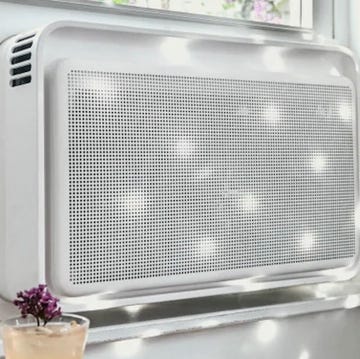
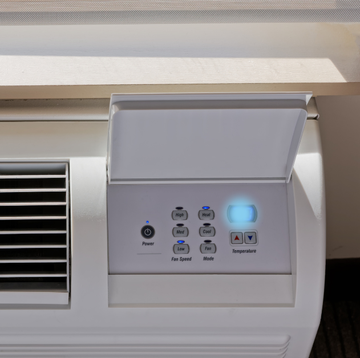
A room air conditioner can make a sweltering space comfortable again, especially in older homes, apartments, and additions where central air falls short. The bigger challenge is choosing between a portable air conditioner and a window air conditioner, since both offer cooling without the cost of a full HVAC upgrade.
The difference is in how they do the job. A window air conditioner is usually the stronger, quieter, and more efficient choice for regular cooling. A portable air conditioner is easier to set up and move around, but it sacrifices some cooling power and takes up floor space.
Window AC pros and cons
Window air conditioners have stuck around for a reason. Since part of the unit sits outside, it can dump heat outdoors more directly while keeping the cold air moving inside. That setup usually makes a window unit more effective than a portable model with a similar cooling rating.
A window AC is a smart pick for bedrooms, living rooms, and home offices where you want steady cooling day after day. It is also the better choice for larger rooms, especially during long heat waves when a portable unit may have to work harder to keep up.
The main drawback is installation. Window units can be heavy, awkward to lift, and tricky to secure, especially in older windows. They also block part of the window, and some apartment buildings, HOAs, and co-ops do not allow them.
Portable AC pros and cons
Portable air conditioners win on convenience. Most roll from room to room, connect to a window with an exhaust hose, and do not require you to balance a heavy machine on a sill. For renters, older homes, or spaces with unusual windows, that flexibility matters.
They are especially useful in guest rooms, garages, small offices, and apartments where a window unit is not practical. They also store more easily at the end of the season, since you can wheel the unit into a closet instead of removing hardware from a window.
The trade-off is performance. Portable ACs keep the compressor inside the room, which makes them louder, and the exhaust hose can radiate some heat back into the space. Many models also collect moisture internally, so they may need more frequent draining in humid weather.
Which AC cools better?
For most homes, a window air conditioner cools better. It is typically more efficient, takes up no floor space, and can lower a room's temperature faster than a portable unit. It is the one I would choose for a bedroom or living room that needs reliable cooling all summer.
Portable air conditioners are better when installation limits your choices. They are not usually the strongest option, but they can be the right choice when window units are not allowed, the window shape will not work, or you need temporary cooling in more than one room.
Which AC is more energy efficient?
Energy efficiency can have a noticeable impact on your summer electric bill, especially during long heat waves. In general, window air conditioners use less energy and cool rooms more effectively because part of the system sits outside, allowing heat to escape more efficiently.
Portable air conditioners tend to work harder to deliver the same cooling power, particularly single-hose models that can pull warm air back into the room. Looking for an Energy Star-certified model with features like programmable timers and eco modes can help reduce energy use, regardless of the type you choose.
Which AC is easier to maintain?
Both types need regular cleaning to work well. A dirty filter restricts airflow, which makes the air conditioner work harder and cool less effectively. In real life, that can mean a louder unit, a warmer room, and a higher electric bill.
Portable air conditioners often need extra attention because they manage condensation inside the unit. In humid rooms, the drain tank can fill quickly, and ignoring it can lead to shutoffs, leaks, or musty odors.
Window units are usually simpler to maintain, but they still need clean filters and clear coils. Letting dust, pet hair, and moisture build up can shorten the unit's life and create a stale smell that makes you wonder what is blowing into the room.
How to shop for a portable or window air conditioner
✔️ Room size: An air conditioner that is too small will struggle to cool the space, while one that is too large can leave the room feeling cold but damp. Most manufacturers list recommended square footage, but sunny rooms and older homes may need more cooling power.
✔️ Window style: Window air conditioners work best in standard up-and-down windows, while portable models are often easier to use with casement or sliding windows. Portable units are also a practical option for renters or buildings that do not allow window ACs.
✔️ Noise level and maintenance: Window units are usually quieter because part of the system sits outdoors, while portable models keep all the mechanical parts inside the room.
The bottom line: Which air conditioner is right for you?
A window air conditioner is the better buy for most people because it cools more effectively, runs quieter, and uses space more efficiently. It is the right choice for steady summer cooling in a bedroom, living room, or other frequently used space.
A portable air conditioner makes sense when convenience matters more than maximum performance. It is a practical fix for renters, tricky windows, and rooms that only need occasional cooling.
The best choice is the one that fits your space without creating a new headache. For raw cooling power, go window. For flexibility, go portable.