
We’ve all heard it a million times: You need to wear sunscreen every single day, rain or shine. “The most important anti-aging step you can make is wearing sunscreen daily,” says Tracy Evans, M.D., M.P.H., board-certified dermatologist and medical director of Pacific Skin and Cosmetic Dermatology. “It is also protective for sun damage, pre-cancers, and skin cancer. It needs to be applied every day and reapplied if you’re out in the sun, otherwise it is not as effective.”
But, we know you still have questions, like—is wearing sunscreen indoors necessary? And what about in the winter? We went straight to the experts for answers.
Do you really need to wear sunscreen indoors?
Dr. Evans always tells her patients that even plants can grow indoors. “That means that light comes through our windows enough to let plants grow,” she says. “I encourage my patients to use sunscreen every day no matter if they are inside or outside because we almost always walk outside for a few minutes to get the mail or go get a cup of coffee.”
Plus, if you’re using skincare products that make skin more sensitive to the sun—such as a retinoid, some acne products, or exfoliating acids—then it’s even more important always wear SPF, including indoors, according to Dr. Evans. The same goes for any oral medications that can cause sun sensitivity.
“People who have a history of frequent sunburns, skin cancers, or other sensitivity always benefit from wearing sunscreen,” Dr. Evans says. “Although the risk indoors is low, we do get light from windows and often patients don’t realize how many times they walk outside for small errands like getting the mail. I always recommend using sunscreen no matter what, every day, in all kinds of weather. It gets you in a good habit of preparing yourself.”

Do windows prevent sun damage?
Our experts stress that even when you’re indoors, UVA rays can penetrate window glass. “That means sitting near sunny windows can still contribute to long-term skin aging and pigmentation,” says Kseniya Kobets, M.D., Director of Cosmetic Dermatology, Montefiore Einstein Advanced Care.
“Standard window glass blocks most UVB radiation, but it can allow a significant portion of UVA radiation to pass through, which can contribute to photoaging and hyperpigmentation,” Dr. Kobets continues. She stresses that this is particularly relevant for people prone to melasma, post-inflammatory hyperpigmentation, or lupus, where even low levels of light exposure can worsen pigmentation.
Dr. Kobets adds: “For people who spend long periods near windows or in bright indoor spaces with direct sunlight, sunscreen can still help reduce cumulative exposure. Consistent use has been shown to reduce invasive melanoma by about 73% in long-term studies.”
Do you need to wear SPF indoors in the winter?
According to all of our derms, yes. “It’s true in the winter in most places that the sun is not as strong, but as we know when we’re at high altitude or even caught by surprise on a sunny day, you can still get sunburned,” Dr. Evans says. “I encourage my patients to use sun sunscreen every day, no matter what the weather.”
Dr. Kobets adds that UVA rays remain present year-round, and reflective surfaces like snow, sand, or water can actually increase UV exposure. “Although UVB levels do drop during colder months, UVA radiation remains relatively constant throughout the year and continues to contribute to skin aging and pigmentation—even through glass,” she says.
What should you look for in a daily sunscreen?
There are two types of sunscreens: Chemical and physical. Dr. Evans explains that chemical sunscreens react with light to prevent sunburn while physical sunscreen prevents the sun from getting in. “Look for mineral-based sunscreens with zinc oxide or titanium dioxide, which are key ingredients in physical sunscreen,” she says. “Chemical sunscreens can have many different active ingredients. I always prefer a mineral base sunscreen—some mineral-based sunscreens have a few chemicals in them to make them more spreadable and less thick.” She adds that you should always use an SPF 30 or higher every day.
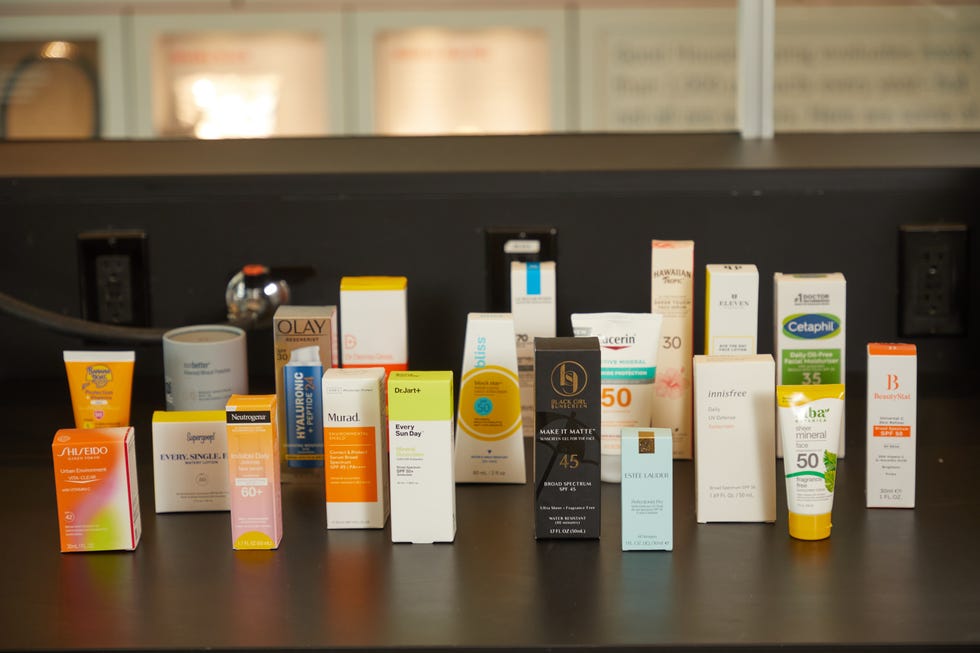
Both types of sunscreens should last for 80 minutes in the sun and then they’ll need to be reapplied. “Some sunscreen can last longer, but always read the instructions on the back of the bottle,” Dr. Evans says. “If you’re in any water, make sure you choose a sunscreen that is water-resistant. You will need to reapply after you’ve been in the water.”
Remember to always thoroughly apply your SPF. “The areas people most often forget with sunscreen are the ears, the back of the neck, the backs of the hands, and the tops of the feet—which are also common sites for skin cancers,” Dr. Kobets says. “Also, many sunscreens today are great multitaskers that contain anti-aging peptides, skin hydrators like glycerin and hyaluronic acid, and antioxidants along with sun protection—so they’re a great all-around way to support skin health simply by applying them every day.”


