
It’s muggy outside and humidity is at an all-time high – leaving us feeling sluggish and exhausted. It’s having an impact on our homes too, you need only look at the windows.
Condensation happens when the moisture in the air hits the cold surface of the glass and reaches its ‘dew point’. From there, water beads up on the surface to the extent that it dribbles down and leaves the carpets soggy.
Window condensation seems to reappear as quickly as we wipe it away, so what can we do to put a stop to it? I’ve rounded up the habits that are contributing to the problem around the home, so you can limit the moisture in the air and prevent it indirectly.

Not opening windows in the morning
One immense source of humidity comes directly from us. Between our breathing and sweating as we sleep, we exhale and secrete up to 200ml of vapour overnight. That’s why condensation is so bad in the morning – the temperature dips outside, and the warm humid indoor air turns to vapour on the windows.
The best way to deal with morning condensation is to ventilate your bedroom by opening the windows for at least 30 minutes once you’re up, and pulling back the bedsheets and fluffing the pillows to release any trapped moisture. Wipe away immediate condensation with a cloth or towel to stop it pooling on the floor.
By opening the bathroom door straight after a shower
It’s always like Stars In Your Eyes when I emerge from the shower – with a plume of steam released alongside. Considering this, is it any wonder that this habit adds to the humidity at home.
It’s much better to ventilate the steam directly from the bathroom via an extractor fan or an open window. If you must leave the door open, place a dehumidifier outside to absorb the worst before it reaches the other rooms.

Overdoing the kettle
Another obvious source of steam comes from the kitchen, particularly where we cook and boil. If you’re in the habit of leaving pots simmering out in the open, you’re releasing a large volume of moisture in the air. It’s much better to leave the lid on to better contain the moisture and turn on the extractor fan to ventilate the excess.
Likewise, watch how you’re using the kettle. The water doesn’t need to be boiled for everything – herbal teas, coffees and hot chocolates don’t require 100 degrees, so save yourself from releasing all that steam at the end by switching it off pre-emptively. A variable temperature kettle can help you to better control this.
Over-washing your clothes
In the current changeable weather, hanging laundry indoors is often the only option. But this releases a lot of moisture into the air as it dries, especially when a low spin cycle is used. For that reason alone, you shouldn’t over-wash clothes.
We generally wash clothes more often than necessary because we’re concerned about hygiene. But bedsheets need only be washed once a fortnight, and jeans as little as once every 10 wears. The only garments that should be washed between wears are those that are in contact with bacteria-prone skin . Check out Are you over-washing your clothes? for more guidance.
Washing too many items at once also forces you to bunch your clothes on the airer, meaning they’ll dry more slowly and smell musty, as well as releasing more moisture into the air, so there’s really no benefit in doing it!

Cleaning with steamy appliances
I’m in no position to tell you not to clean, but it’s worth being considerate about the tools you use. Garment steamers, steam irons and steam cleaners all have steam in the name, so they’ll naturally release a lot of moisture in use. Make sure the room is adequately ventilated where they’re used (and for some time afterwards while surfaces dry). Try only to use as much steam as is needed.
Keep in mind that dishwashers, washing machines and tumble dryers will all release their fair share of humidity, too. Use lower temperature cycles (such as the eco setting) on dishwashers and washing machines to produce less steam, and station a dehumidifier close to your dryer when it’s in use.
The GHI's best dehumidifiers


Score: 97/100

Score: 92/100
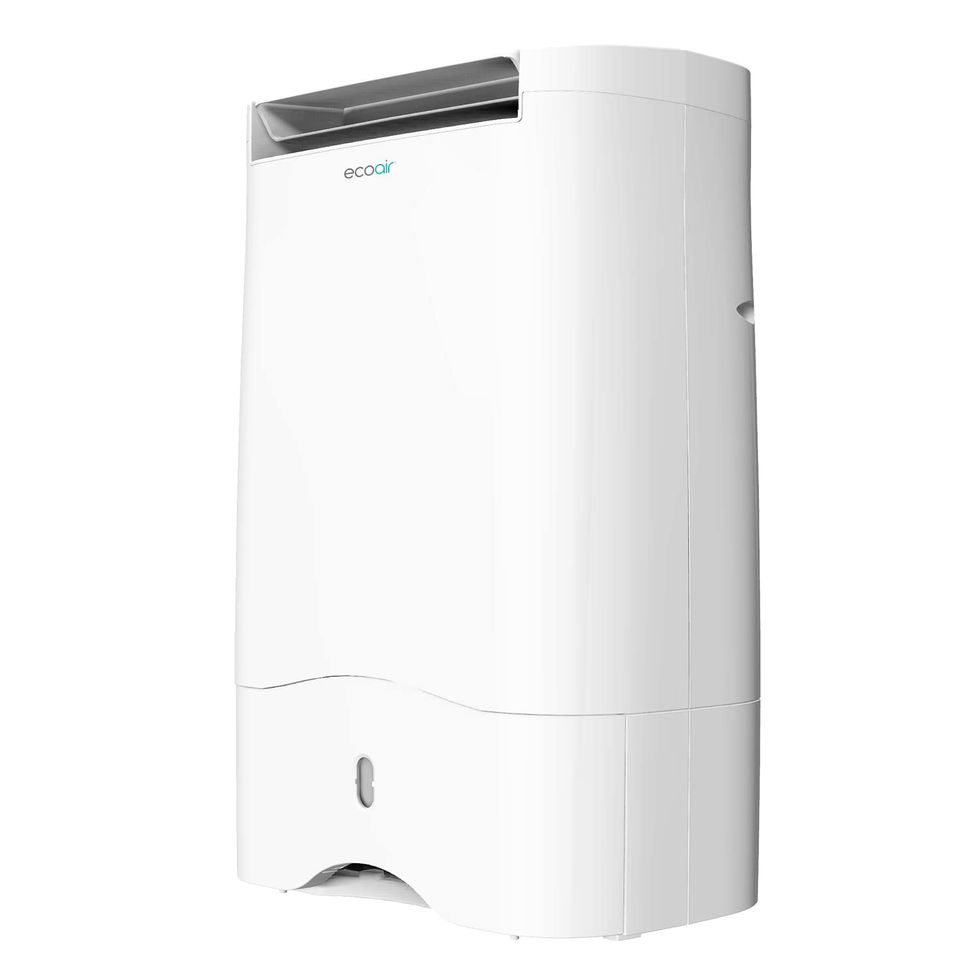
Score: 92/100
Having a late-night workout
Finally, there’s nothing wrong with working out at home. But it’s no surprise that it adds to the humidity. Between the sweat and the heavy breathing, lots of moisture gets released and can end up contributing to condensation – particularly if it’s cold outside and temperatures indoors are rising. Opening the windows and ventilating the room is the obvious solution, and you can also direct a fan from across the room to help push the moisture out of the window.
Make sure your gym kit is breathable and made from material that will wick away your sweat, too.


