We earn a commission for products purchased through some links in this article.
The best hair growth serums for fuller, healthier-looking hair
Hair line looking a little worse for wear? These serums can help restore locks to their former glory
 Tested by Maria KumarBeauty and Grooming Testing Manager

If you feel like your hair is thinning and your ponytail looks a little sparser, you may want to consider giving your haircare regime a boost with one of the best hair growth serums.
Products that claim to revive thinning hair aren't always the miracle solutions they promise to be, but rest assured that the Good Housekeeping Institute has found the hair growth products that live up to their lofty claims.
These are the ones that came out on top with our panel, but keep scrolling for our full reviews and what you need to consider before you buy.
Best hair growth serums

How we test hair growth serums
Our Good Housekeeping Institute experts asked 300 beauty testers to put 30 hair growth serums to the test to judge what impact they had on hair growth and fullness. We then asked them to fill in a detailed survey telling us everything they liked (and didn't) about the product.
After testing the formulations for between eight and twelve weeks, panellists reported back on any noticeable thickening, strengthening or regrowth, as well as any changes to the condition of their scalps. They also told us if they would continue to use the serum after the trial and whether they would recommend it to others.
To measure how much regrowth occurred while using each serum, our lab testers used the Hair Metrix machine to analyse hair follicles before and after the trial period. These are the ones that came out on top.
Monpure Follicle Boost Hair Density Serum
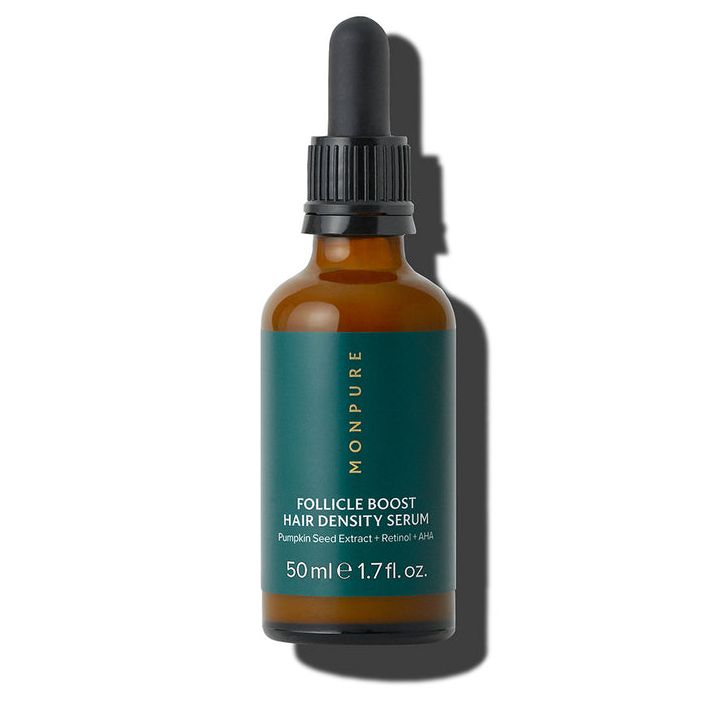
Monpure Follicle Boost Hair Density Serum
Score: 83/100
Our best hair growth serum trumped all others for improving appearance and overall health, and limiting breakages for most of our panel. Lab test results backed this up, showing an improvement in hair thickness and density after the trial period.
Testers appreciated the smoothness and hydration the serum gave their parched strands, with everyone noticing less dandruff and experiencing less irritation.
Not only was hair shinier and more voluminous after the trial, but everyone also spotted fewer split ends. Most agreed it had a positive impact on their hair loss problem after eight weeks, with the majority intending to keep using it.
Key specifications
| Size | 50ml |
|---|---|
| Paraben free | Yes |
| Silicone free | Yes |
| Vegan | Yes |
| Suitable for | Colour, chemically, keratin treated, fine, straight, wavy, curly and coily |
Pantene Grow Abundant Anti-Hair loss Scalp Serum

Pantene Grow Abundant Anti-Hair loss Scalp Serum
Pros
- Testers said their hair felt healthier after 12 weeks of use
- Increased shine

Cons
- Some found the daily application time-consuming, but consistency is key

Score: 81/100
This serum works to nourish and strengthen the scalp. It contains a vitamin B5 complex, which helps to moisturise and strengthen the hair follicles, combined with niacinamide to boost circulation and reduce any inflammation contributing to hair loss.
The serum is applied daily to your hairline, with a focus on areas where you’ve noticed significant thinning. Our testers found the pipette applicator helped with application, while the formulation scored nearly full marks for performance in the lab test – there were signs of significant growth when we analysed the amount of hair follicles per cm in our panellists’ before and after images using our specialist Visia machine. “My hairdresser noticed new growth and volume,” one panel member told us.
The formula should last you about a month, which at the current price works out at £1 a day for a healthier scalp.
Key specifications
| Size | 60ml |
|---|---|
| Paraben free | Yes |
| Silicone free | Yes |
| Vegan | Yes |
| Suitable for | All hair types |
Pros
- Increases softness
- Easy to apply
Cons
- Before and after imagery didn’t show any growth in the lab
Score: 81/100
We couldn’t wait to see how this viral hair growth treatment, which is all over our Instagram feeds, performed in the lab. The serum is applied daily, and you can focus on thinning patches or massage it along your hair line, as our panel told us it doesn’t leave hair feeling greasy. It uses ingredients including caffeine, creatine and ayurvedic haritaki extract to help boost length, reduce dandruff, and treat the scalp, creating a healthy environment for growth.
Our testers liked how soft and manageable it made their hair. “It seemed to improve the issues I normally have with frizzy hair,” said one. A little goes a long way too, so despite having to apply it every day, the bottle should last a while.
Although it proved popular with our at-home testers (hence the score of 81/100), our lab results didn’t show any increase in hair volume per cm² by the end of the trial period. Nevertheless, panel members thought their hair looked longer and thicker by the end of the trial period and said it made their lengths easier to work with, so if this is important to you, it could be worth the investment.
Key specifications
| Size | 60ml |
|---|---|
| Paraben free | Yes |
| Silicone free | Yes |
| Vegan | Yes |
| Suitable for all hair types | Yes |
Aveda Invati Advanced Scalp Revitalizer

Aveda Invati Advanced Scalp Revitalizer
Score: 81/100
The spray bottle makes it easy to coat your entire scalp in this potent revitalising formula. It gave one happy tester noticeable results in just two weeks, and it aced our lab test for improving thickness and density.
Our panel raved about how much healthier and stronger it left their hair looking. Less shedding occurred and most noticed an improvement in regrowth by the end of the trial. The scent was also a hit, thanks to a blend of natural oils.
Key specifications
| Size | 90ml |
|---|---|
| Paraben free | Yes |
| Silicone free | Yes |
| Vegan | Yes |
| Suitable for | Not specified |
Kerastase Genesis Serum Anti-Chute Fortifiant
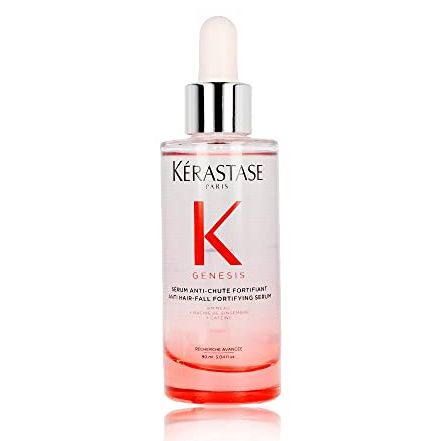
Kerastase Genesis Serum Anti-Chute Fortifiant
Score: 80/100
Dry scalp suffers rejoice! This nourishing formula blends ginger root and Aminexil – L'Oreal's signature ingredient aimed at improving blood flow to follicles – to relieve itchiness and dryness and rejuvenate your scalp. Happy scalp, happy hair, after all.
Everyone said their hair looked dandruff-free and more hydrated after use, with many also seeing shinier, smoother strands. Their hair also looked healthier, with many testers reporting fewer breakages and thicker ends.
Key specifications
| Size | 90ml |
|---|---|
| Paraben free | Yes |
| Silicone free | Yes |
| Vegan | No |
| Suitable for | Not specified |
Dyson Amino Leave-in Scalp Bubble Treatment 75ml Refill

Dyson Amino Leave-in Scalp Bubble Treatment 75ml Refill
Score: 79/100
Dyson has long created styling tools with hair health in mind and now it’s released a serum to further support hair growth and length. It contains a fortifying blend of amino acids, which are the building blocks of protein in hair and skin. When applied in a serum, these acids help to strengthen each strand and boost keratin synthesis, resulting in new growth. Our lab tests showed that there was an increase in the number of hair follicles per cm after the trial period, too, backing up the product claims.
The serum is dispensed as a light foam, which testers said didn’t leave behind any greasy residue and wasn’t messy to apply. However, panellists didn’t like that it left hair a little damp, which made daily application less convenient, especially in between washes. So it may be a good idea to apply in the evening or just not on days you’re rushing out of the house.
Key specifications
| Size | 75ml |
|---|---|
| Paraben free | Yes |
| Silicone free | Yes |
| Vegan | Yes |
| Suited for | All hair types |
Glow for it hair serum

Pros
- Pipette makes it easy to apply to targeted areas
- Fresh, but subtle scent
Cons
- Hair felt slightly textured on the second day
Score: 79/100
To reap the rewards of hair growth formulas, consistency is key, so it’s essential that any product you use is easy to integrate into your routine. The good news? This serum was a hit with our panellists for being easy to apply and distribute along the hairline. “The applicator holds a good amount for one dose,” said one person. It should also last a long time, thanks to the generous bottle. A couple of panel members said their hairdresser noticed a difference to their hair too.
In the lab, the before and after results showed a slight increase in the volume of hair follicles. The key ingredient here is panthenol,which has anti-inflammatory properties to help soothe the scalp and strengthen bonds in hair shafts to reduce breakage. Added caffeine also helps to stimulate hair follicles and prolong the active growth phase.
Key specifications
| Size | 60ml |
|---|---|
| Paraben free | Yes |
| Silicone free | Yes |
| Vegan | Yes |
| Suitable for | All hair types |
TYPE BEA Overnight Boosting Peptide Hair Serum

TYPE BEA Overnight Boosting Peptide Hair Serum
Pros
- Correct dosage marker is on the pipette
- Floral scent
Cons
- Messy application
Score: 79/100
“My favourite thing about this product is how quickly it absorbs into my scalp,” said one tester of this hair serum from TYPE BEA (and they weren’t alone). This means you can massage it into your hair without being worried that it will leave it greasy or sticky. That said, a few people said the formula was a little thin and runny, so take care to apply in small doses.
After 12 weeks, most of our testers agreed this helped hair feel healthier. “My hair feels nourished and healthy,” said one. Yes, peptides will do that! The hero ingredient helps to rejuvenate the skin on the scalp’s surface, creating an optimum environment for healthy hair growth.
Our lab results didn’t show an increase in hair follicles or density, meaning that it didn’t help contribute to significant growth. However, the rejuvenating ingredients did help to improve our panellists’ hair texture and overall health, with many saying they’d noticed less fallout and breakage when brushing their hair.
Key specifications
| Size | 60ml |
|---|---|
| Paraben free | Yes |
| Silicone free | Yes |
| Vegan | Yes |
| Suitable for | All hair types |
The Inkey List Caffeine Stimulating Scalp Treatment
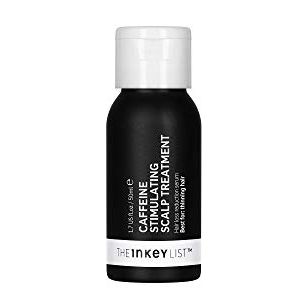
The Inkey List Caffeine Stimulating Scalp Treatment
Score: 79/100
Anything claiming to help boost hair health and thickness rarely comes cheap, but this budget-friendly treatment works wonders.
Better still, it does what it says on the tin. Featuring a strong burst of caffeine powder to jolt your hair follicles into action, it scored highly in our lab test for improving thickness and earned praise from our panellists for reducing fall-out and leaving hair looking healthier.
Flakes were banished for all, while everyone with colour-treated hair was impressed by a boost in vibrancy.
Key specifications
| Size | 150ml |
|---|---|
| Paraben free | Yes |
| Silicone free | Yes |
| Vegan | Yes |
| Suitable for | All hair types |
Aroma-Zone Strengthening & Densifying Hair Serum

Aroma-Zone Strengthening & Densifying Hair Serum
Score: 76/100
Our panellists liked the sleek packaging, and the pipette format made dispensing the serum straightforward. The formulation contains a combination of peptides and pea and red clover extracts, which help to prolong the growth phase and ‘anchor’ the hair follicles, boosting resilience.
While it didn’t score as highly as other products for new growth in our lab and it lost marks for leaving a slightly greasy residue, our panellists were largely pleased with their results. “My hair feels healthier and thicker since using it,” said one.
Key specifications
| Size | 50ml |
|---|---|
| Paraben free | Yes |
| Silicone free | Yes |
| Vegan | Yes |
| Suitable for | All hair types |
Philip Kingsley Density Preserving Scalp Drops
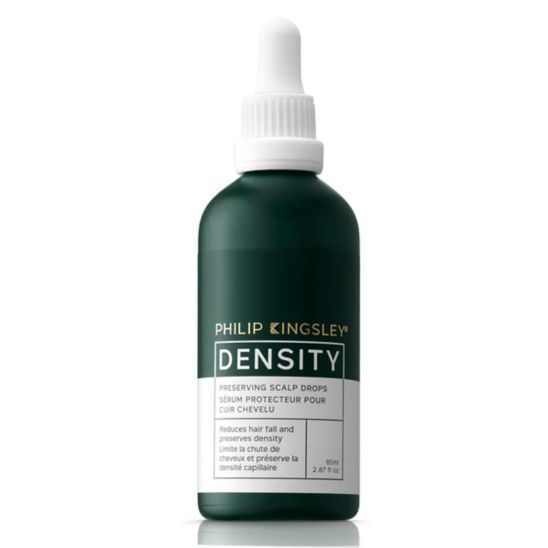
Philip Kingsley Density Preserving Scalp Drops
Score: 76/100
Not only is an itchy scalp a nuisance, but it can also be a hair health red flag. Get yours back on track with this daily toner, which successfully cooled and calmed our panellists' irritated heads.
"My hair fall has significantly slowed down and I can see baby hairs growing," said one tester, while most of the panel saw an improvement in volume, strength and hydration.
Testers also noted less shedding and fewer breakages, with almost all agreeing that it helped their hair loss concerns.
Key specifications
| Size | 85ml |
|---|---|
| Paraben free | Yes |
| Silicone free | Yes |
| Vegan | Yes |
| Suitable for | All hair types |
Percy & Reed Give Me Strength Strengthening Scalp Concentrate
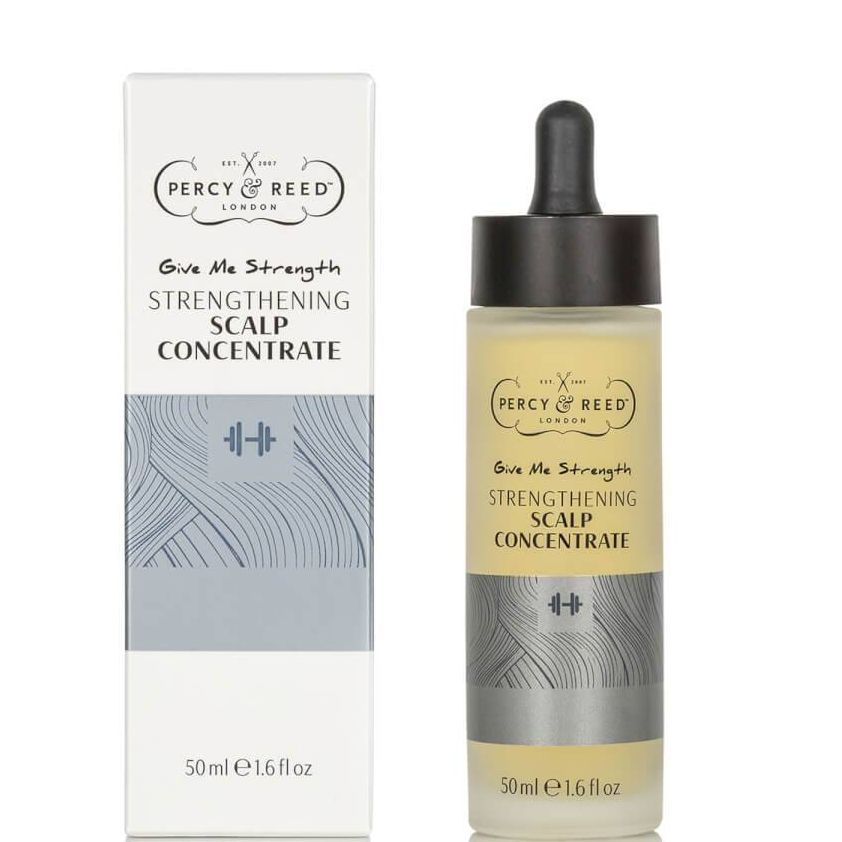
Percy & Reed Give Me Strength Strengthening Scalp Concentrate
Score: 75/100
Aiming to repair and restore even the most brittle of hair, this strengthening potion is full of essential oils and vitamins B3 and E, as well as aloe vera to hydrate and replenish stressed-out strands.
It excelled in our lab test for thickening and improving density, and it earned our panel's approval for speeding up hair growth and improving split ends, dryness and scalp irritation. One tester described it as “amazing”. Enough said.
Key specifications
| Size | 50ml |
|---|---|
| Paraben free | Yes |
| Silicone free | Yes |
| Vegan | Yes |
| Suitable for | Thinning, brittle hair prone to breakages and fallout |
Guerlain Abeille Royale Scalp & Hair Youth-Oil-In Serum
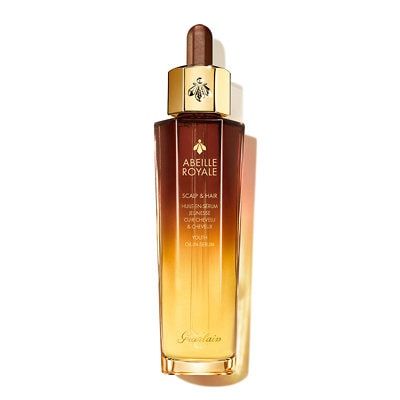
Guerlain Abeille Royale Scalp & Hair Youth-Oil-In Serum
Score: 73/100
This luxe serum harnesses the power of naturally derived black bee honey to encourage hair growth and revitalise neglected locks. The brand also runs a 'Women for Bees' initiative to encourage both female leadership and biodiversity, so you know your purchase is doing good in multiple ways.
The replenishing formula boosted hydration, leaving hair looking healthier and smoother for most of our panel. It relieved all scalps of dryness and irritation, while leaving hair looking thicker for almost everybody. One tester said their hair grew “much quicker” while using it.
Key specifications
| Size | 50ml |
|---|---|
| Paraben free | Yes |
| Silicone free | Yes |
| Vegan | No |
| Suitable for | Not specified |

Why trust the Good Housekeeping Institute?
We’ve been testing products for over 100 years here at the Good Housekeeping Institute, from the best shampoos and best day creams to, in recent years, the best hair straighteners and LED masks.
Our beauty tester Juliet Heaton led our review of hair growth serums. She has degrees in both chemistry and cosmetic science, so she understands ingredients and how they can be used in formulations to stimulate growth. She also worked with our panel of at-home testers to collate their feedback, analyse the findings and award each product a score based on the criteria that matter.
Our lifestyle writer Madeleine Evans then used both sets of data to help inform her product write-ups. Having experienced hair thinning herself, she knows how much it can impact confidence and the importance of finding a genuinely effective solution.
Can hair serum regrow hair?
A hair serum isn’t a magic bullet, but it can help create the right environment for healthy hair growth. How effective it is will depend on the nature of your hair loss. If you’re experiencing receptive hair loss, such as telogen effluvium (which is triggered by stress, post-partum, or rapid weight loss), then it’s likely that a hair serum will be able to reinvigorate the growth phase of hair follicles.
If you’re experiencing hair loss due to alopecia or pattern baldness, a hair serum won’t work. We always advise speaking to your GP to understand the underlying cause of your hair loss and the right treatment for you.
Are hair growth serums safe to use?
Always consult your doctor before using these serums if you’re unsure, but hair growth serums are generally safe to use for most people. They usually contain nourishing ingredients such as caffeine or peptides but be sure to check the ingredient list if you’re prone to skin flare ups or allergies.
What’s the difference between minoxidil and a serum?
Minoxidil is a prescribed oral tablet taken to combat hair loss, while hair serums are a topical treatment applied directly to the scalp.
“Proven ingredients for hair loss, such as minoxidil medication, work by widening the blood vessels and improving blood flow to your hair follicles, to potentially prolong the growth phase,” says Hannah Gaboardi, trichologist at the Nobu Clinic.
“A scalp serum is a more cosmetic and less invasive way to stimulate the scalp. Serums containing active scalp-soothing ingredients, such as tea tree oil and peppermint, can help soothe scalp irritation, while formulas that contain ingredients such as caffeine help to maintain blood flow to the area. This helps your hair get the vital nutrients needed to promote hair growth and strengthen the follicle,” Hannah adds.
How long do I need to use a hair growth serum before I see results?
“With hair growth serums, changes should start to become more apparent after 12 weeks of use. Visible regrowth and restored density typically take closer to 3-6 months, with more significant changes often seen around the 6-12-month mark, depending on the severity,” says Hannah.
Supplements vs hair growth serums: which is better?
“Nutrients such as protein, iron, zinc, biotin, vitamins A and E, and omega-3 fatty acids are essential for maintaining healthy hair growth, strength and texture,” says Hannah. Note that you should be able to get these through a balanced, healthy diet, but some people may find they need supplements to get enough. “Taking supplements regularly is a great way to keep your hair in the growth phase,” explains Hannah.
“Because hair is a non-essential tissue, the body prioritises vital organs first, meaning nutritional deficiencies often show up in the hair before anywhere else,” she adds.
“A hair growth serum, on the other hand, works directly on the scalp and hair follicles,” Hannah continues. “Depending on their ingredients, they can help stimulate dormant follicles, improve scalp health, reduce inflammation and increase the time hair spends in the growth phase, all encouraging thicker, healthier-looking hair.”
“It’s important to understand whether there are any underlying deficiencies in your diet first,” she advises, “as supplementing can then be used to increase your intake. Correcting this is essential before using serums, as your hair is unable to be in the growth phase if the deficiencies are present.”
What are the best ingredients to look for in a hair growth serum?
When deciding on which hair growth serums to test, our testers scoured ingredient lists, making sure they included those proven to increase growth. These are some of the main ones to look out for.
Caffeine – Not just good for perking you up in the morning, caffeine is also effective at stimulating hair follicle metabolism and extending the hair’s growth phase. It also helps block the hair loss hormone DHT.
Biotin/Vitamin B7 – Aids the production of the protein keratin, which gives hair its structure, reducing breakage and thinning.
Peptides – These also stimulate keratin production, as well as collagen, to help strengthen existing hair follicles and stimulate them to enter into the active growth phase, resulting in additional thickness.
Hydrators – Ingredients such as hyaluronic acid and glycerine help to soothe dry, flaky scalps and create an optimal environment for hair growth.
Do hair growth serums have any side effects?
While most hair growth serums are generally well-tolerated, depending on your skin type and sensitivity, they can have mild side effects, such as scalp tingling and itchiness. If your symptoms worsen, stop using the serum and speak to a GP or trichologist if you have concerns.
What can stimulate hair growth naturally?
There are some factors within our control that can help to minimise hair shedding and breakage, as consultant dermatologist and hair specialist, Dr Sharon Wong, explains.
"Maintaining a well-balanced diet that includes the full spectrum of macro and micronutrients is the best and most sustainable way of supporting healthy hair growth (and a healthy body in general),” she says. “Unless you know you have a vitamin deficiency, hair growth supplements will not have an impact.
“Instead, eat well, minimise the use of heat and dyes, and use the best hydrating hair masks and best heat protectants. Don’t expect a miracle, but doing these things will support the condition of existing hair fibres and optimise the environment for healthy hair growth.”
There are some bad habits you can put a stop to as well. "Smoking has been shown in some studies to be associated with premature balding and greying of hair,” says Dr Wong. “In many people, stress can also be a trigger for hair loss, whether that be shedding or the onset of alopecia areata (an autoimmune hair loss condition).
“Eliminating stress may not be possible, but try to find some coping strategies that equip you with the right mindset to process and handle it more effectively when challenges arise.”
Do hair growth serums actually work?
Our tests have proven that good hair growth serums can make a difference, but you do have to be realistic; you're never going to wake up with a miraculously full head of hair.
"Many hair serums contain peptides/amino acids and conditioning agents such as hyaluronic acid,” explains Dr Wong. “These have an aesthetic effect on the hair that’s already on the head, giving it more volume and plumping up its fibres to make them look and feel thicker. However, this is not the same as growing more hair or thicker hair from the roots.
“These natural compounds may be useful as a preventative measure, but reliable, consistent results for hair thinning are far more likely to be achieved by Minoxidil and other prescription medications from your doctor.”
The verdict on the best hair growth serums
Our winner, the Monpure Hair Density Serum was the top scorer when it came to increasing hair length and thickness over the trial period.
The most affordable option on our list is The INKEY List’s Caffeine Stimulating Scalp Serum, which improved most of our testers’ hair density and length.
If you’re looking to calm an irritated scalp, then trichologist-owned brand, Philip Kingsley’s Density Preserving Scalp Drops helped to calm any itchiness or soreness, while also encouraging new growth.
Madeleine is our Lifestyle Writer, specialising in expert-tested reviews and round-ups on the latest beauty Beauty and Health & Wellness products. From skincare to protein powders, Maddie is committed to providing honest and helpful reviews to help guide readers to the best product for them. Maddie has a BA in English Literature and Language, which stemmed from her lifelong interest in reading and writing. She started her post graduate life at Hearst UK within a marketing capacity, which quickly turned into a desire to fulfil a writing career.
When she is not writing about the latest expert reviewed products, you can find her rifling through vintage shops or car boots, reading a print magazine, or capturing portraits on her film camera.
Maria is our Beauty and Grooming Testing Manager, and since joining in mid-2022, she has managed the testing for mutiple categories including scalp scrubs, collagen supplements and retinol serums. In addition to her master's degree in chemical engineering and a diploma in cosmetic science, she recently received her MBA from the London College of Fashion, focusing on case studies within the beauty industry. Prior to joining the company, she worked within the global technical team at the Estee Lauder Companies for over six years, collaborating with the chemists and engineers to launch luxury beauty products at scale and to quality. She has also worked as a formulation scientist within the pharmaceutical industry and takes this evidence based approach into all her product testing.